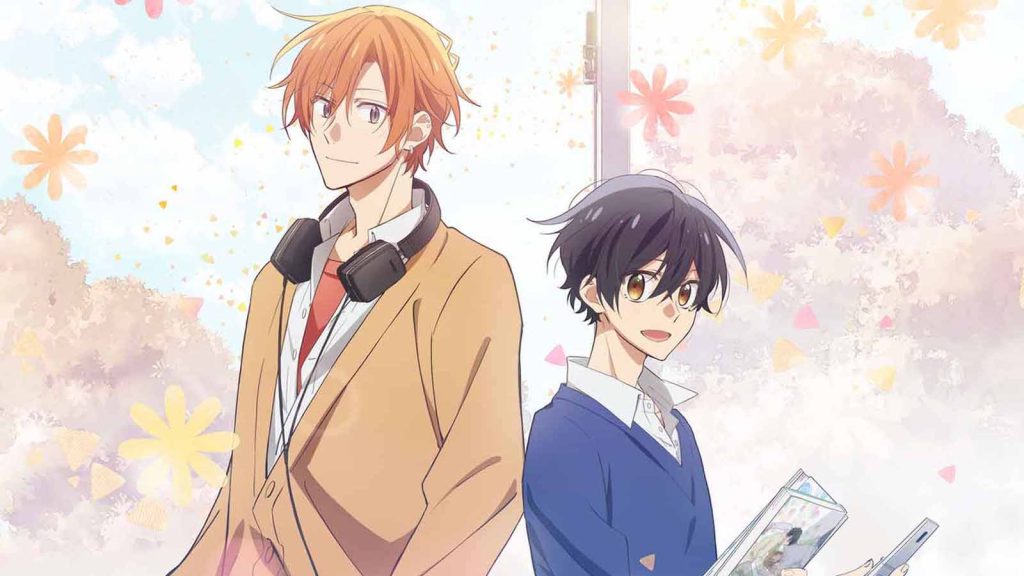
If you’ve ever stumbled across the terms yuri and yaoi while browsing anime or manga and found yourself wondering what are yaoi and yuri — you’re not alone.
These two genres have built some of the most passionate fandoms in the world, yet they remain a mystery to many newcomers.
| BOOKMARK THESE BIBLES Where to read Boys Love manga: All best apps and sites Where to read Boys Love manhwa legally: All best apps and sites |
In this article, we’ll walk you through everything you need to know, from where these genres originated, to the themes and tropes that make them so beloved, to the best titles to start with if you’re curious to dive in.
What are yaoi and yuri?

If you’ve spent any time exploring Japanese manga, anime, or fan fiction, you’ve likely come across the terms yuri and yaoi. But what are yaoi and yuri, exactly?
At their core, yuri and yaoi are two distinct but related genres of Japanese media that center on same-sex romance and emotional relationships, with yaoi focusing on male-male relationships, and yuri on female-female relationships.
To understand what are yaoi and yuri in a broader cultural sense, it helps to look at each term individually. Yaoi (also commonly referred to as Boys’ Love or BL) depicts romantic and sometimes sexual relationships between male characters.
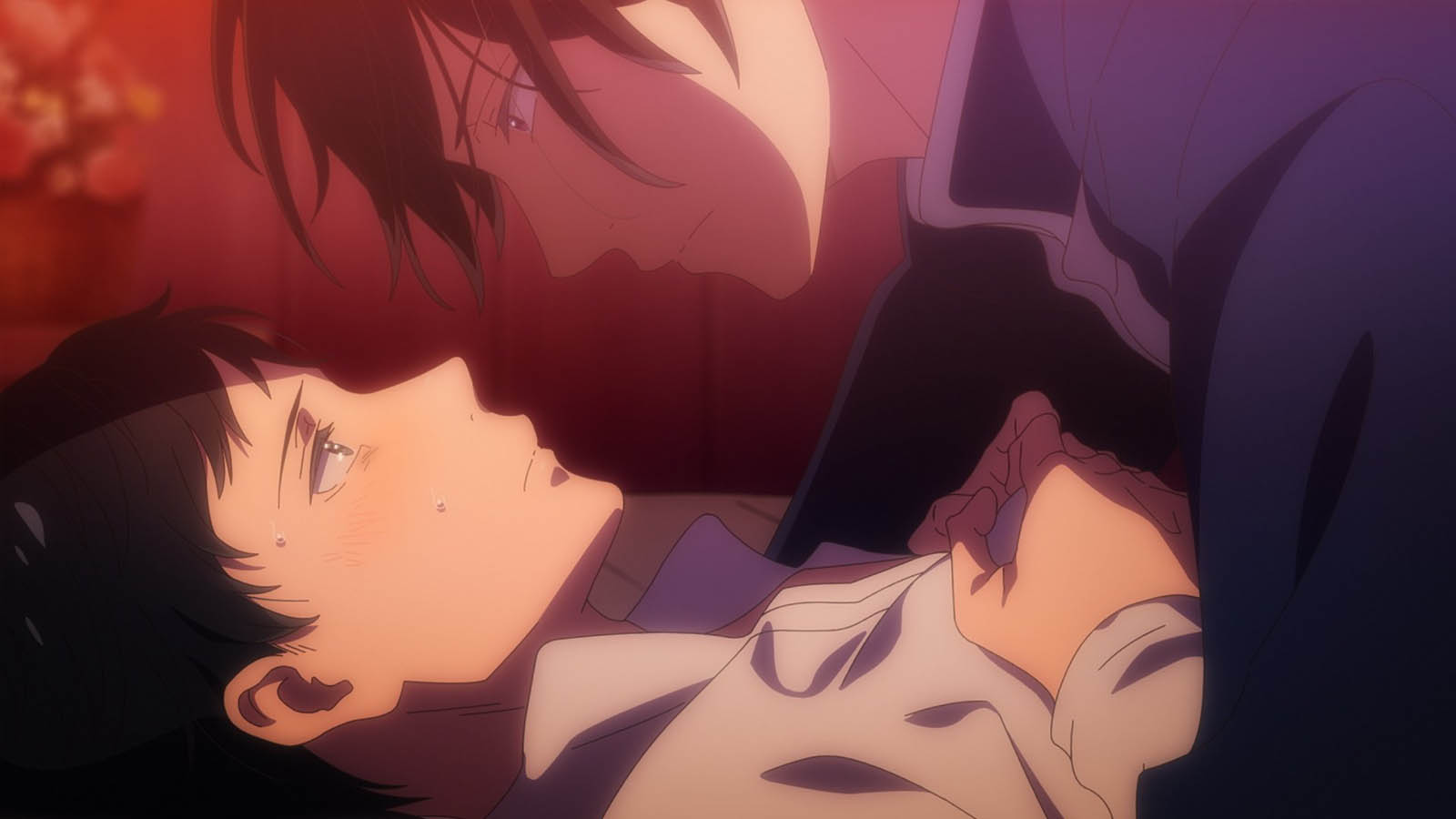
It is primarily created by and for women, though its readership has grown far beyond that demographic over the decades.
Yuri, on the other hand, literally translates to “lily” in Japanese and is used to describe stories that explore romantic, emotional, or intimate bonds between female characters. Yuri’s audience is broader and more mixed in terms of gender from the outset.
| I’M TELLING YOU… THEY’RE YAOI The most comprehensive Free anime watch order: All seasons, movies, OVAs The complete Tsurune watch order: All seasons, OVA, and movie |
Both genres exist across a wide spectrum and span manga, anime, light novels, visual novels, and fan-created works known as doujinshi.
The origins of yuri and yaoi
Where yaoi came from

Yaoi’s origins go back to 1970s Japan, where a group of female manga artists began drawing romantic stories between male characters in girls’ manga magazines.
These early stories, called shounen-ai, gave female readers a new way to explore romance and emotion outside of the typical boy-meets-girl narrative.
By the 1980s, female fan communities took inspiration from these works and started creating their own self-published romantic stories called doujinshi.
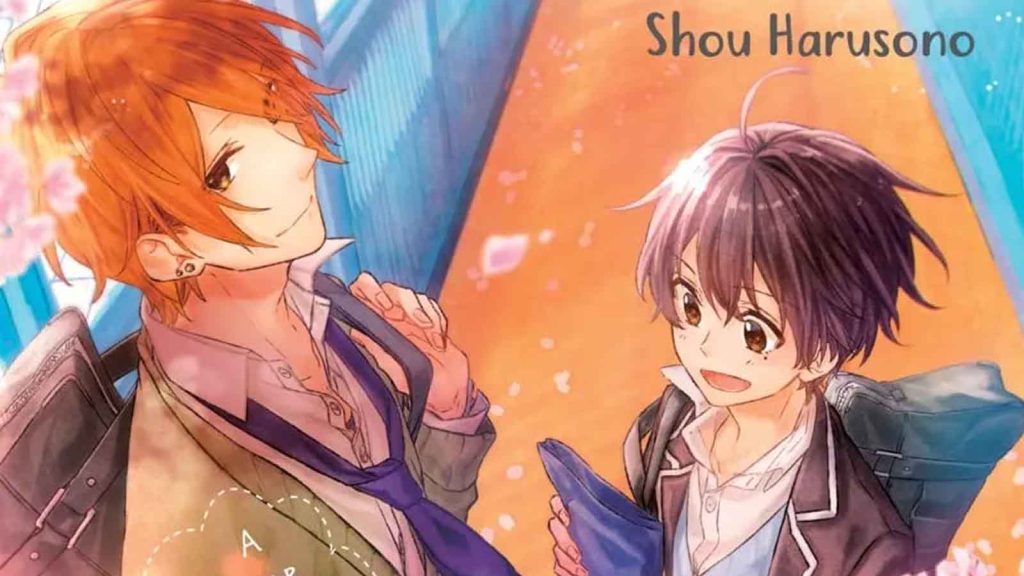
The word yaoi itself was actually born from a joke — it came from the phrase “yama nashi, ochi nashi, imi nashi”, meaning “no climax, no resolution, no meaning,” poking fun at how these fan stories were light on plot but heavy on romance.
| MUST READ: What is it about yaoi that girls can’t get enough of? The psychology behind the obsession |
The name stuck, and eventually became the official label for the genre.
Where yuri came from
Yuri has an even older starting point. In early 20th-century Japanese literature, there was a popular tradition called Class S, which depicted intense emotional bonds and romantic friendships between schoolgirls.
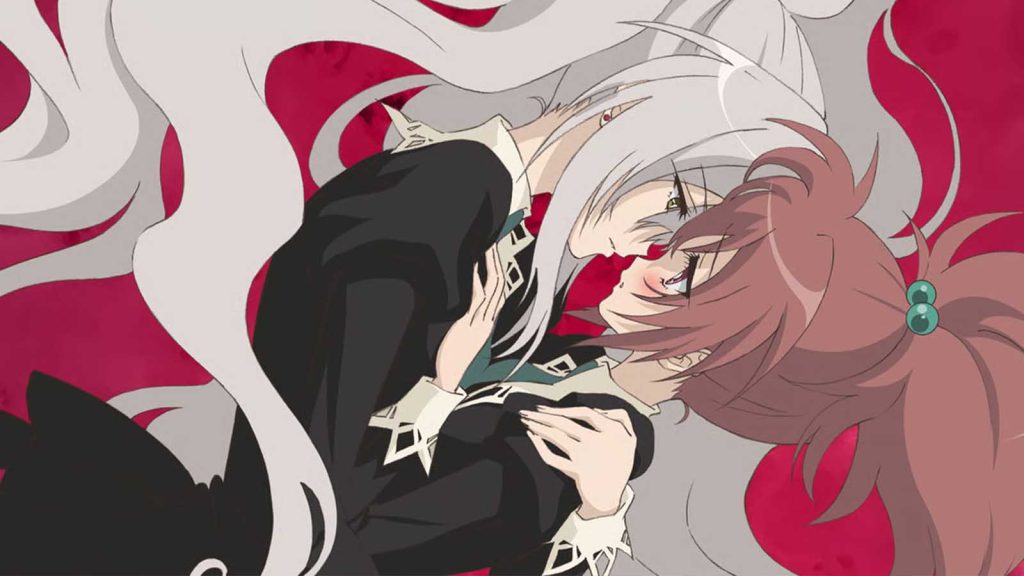
These stories treated such relationships as a fleeting, idealized part of girlhood, but they planted the seeds for what yuri would later become.
The word yuri (meaning “lily”) was coined in the 1970s by a Japanese magazine editor to describe content featuring female same-sex themes. It was chosen as a gentle, poetic word to represent the genre.
From the 1990s onward, both genres grew quickly. Dedicated manga magazines and publishing labels gave yaoi and yuri a commercial home, and the rise of the internet brought both genres to fans all over the world.
Common themes and tropes in yuri and yaoi

Common themes in yaoi
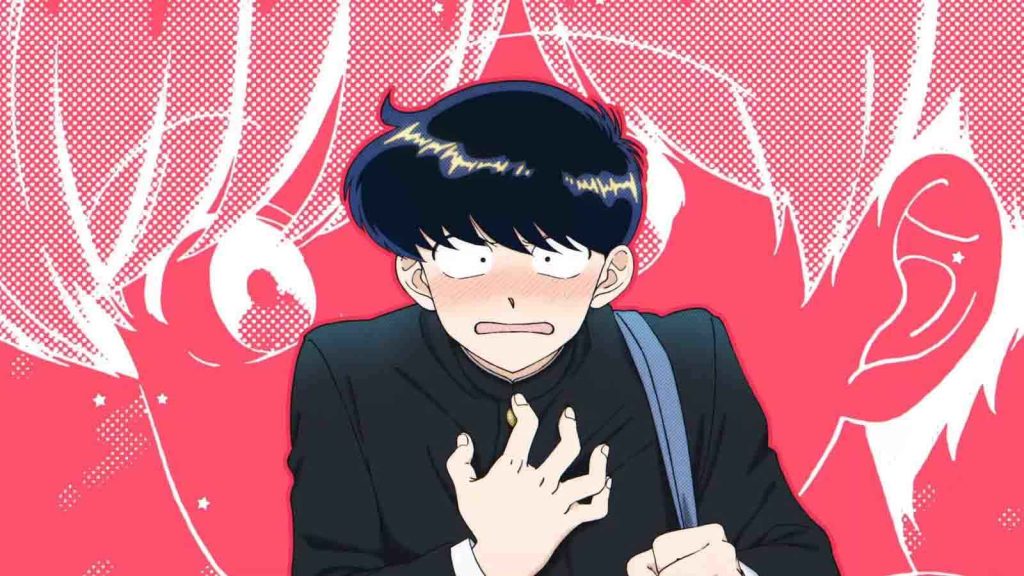
Yaoi stories center on the emotional connection between two male characters, often built up slowly before romance enters the picture. A few recurring themes include:
- The seme and uke dynamic: Most yaoi relationships follow a dominant/submissive pairing. The seme is typically the more assertive, protective character, while the uke is gentler and more reserved. This dynamic drives much of the romantic tension in the story.
- Forbidden or secret love: Many yaoi stories place their characters in situations where their feelings have to stay hidden, often due to social pressure, workplace relationships, or rivalry.
- Enemies to lovers: Two characters who start as rivals or opposites gradually develop feelings for each other.
- Slow-burn romance: This yaoi theme builds emotional intimacy across many chapters before the relationship is fully realized.
Common themes in yuri
Yuri tends to have a softer, more introspective tone compared to yaoi. Its recurring themes include:
- First love and self-discovery: Many yuri stories follow a character realizing her feelings for another girl for the first time. The journey of understanding those feelings is often the heart of the story.
- Soft, quiet romance: Compared to yaoi, yuri frequently leans toward a more introspective tone. Small moments like shared glances, accidental touches, and quiet conversations carry a lot of weight.
- The school setting: Borrowing from the Class S tradition, many yuri stories are set in all-girls schools, where close female friendships lead to something deeper.
Notable works for yaoi and yuri beginners
If you’re new to yuri and yaoi, the best way to get started is to jump straight into some well-loved titles. Here are some great entry points for each genre.
Yaoi recommendations for beginners
- Given – A high school music story about a boy who picks up a guitar and slowly falls for the bandmate who teaches him.
- Doukyuusei (Classmates) – A simple story about two classmates who bond over music practice and gradually develop feelings for each other.
- Sasaki and Miyano – A sweet story about a delinquent upperclassman who borrows Boys’ Love manga from a quieter underclassman, and slowly realizes his feelings go beyond friendship.
Yuri recommendations for beginners
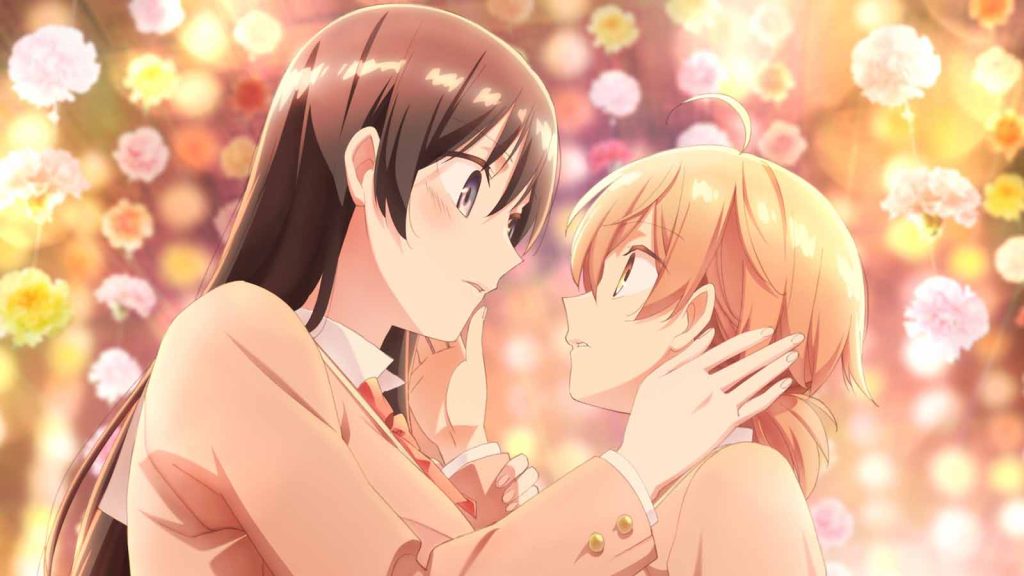
- Bloom Into You – This modern yuri manga follows a girl who has never felt romantic love and the student council president who falls for her.
- Citrus – A dramatic and fast-paced yuri story about two stepsisters with a complicated relationship.
- Sweet Blue Flowers – A yuri story about two childhood friends who reconnect in high school.
What are yaoi and yuri? Key differences
| WHAT ARE YAOI AND YURI? | YAOI | YURI |
| FOCUS | Romantic relationships between male characters | Romantic relationships between female characters |
| ALSO KNOWN AS | Boys’ Love (BL) | Girls’ Love (GL) |
| WORD MEANING | Acronym: “no climax, no resolution, no meaning” | Lily (a flower symbolizing purity) |
| ORIGINS | 1970s shoujo manga | Early 20th-century Class S literature |
| CORE AUDIENCE | Primarily women | Mixed gender audience from the start |
| KEY TROPES | Seme/uke dynamic, enemies to lovers, forbidden love | First love, school settings, self-discovery |
| STARTER TITLES | Given Doukyuusei Sasaki and Miyano | Bloom Into You Citrus Sweet Blue Flowers |