What is seme in BL? It’s a question that comes right after fans learn what a uke is, because in Boys’ Love, one role rarely exists without the other.
The uke/seme dynamic is the backbone of how most BL pairings are built, and understanding the seme side of that equation unlocks a lot about how these stories are structured.
| FILL YOUR HEART WITH LOVE Where to read Boys Love manga: All best apps and sites Where to read Boys Love manhwa legally: All best apps and sites |
Below, we’re breaking down what is seme in BL, its meaning, how the role functions in the uke/seme dynamic, and the characters who make the role iconic.
What is seme in BL? Seme meaning
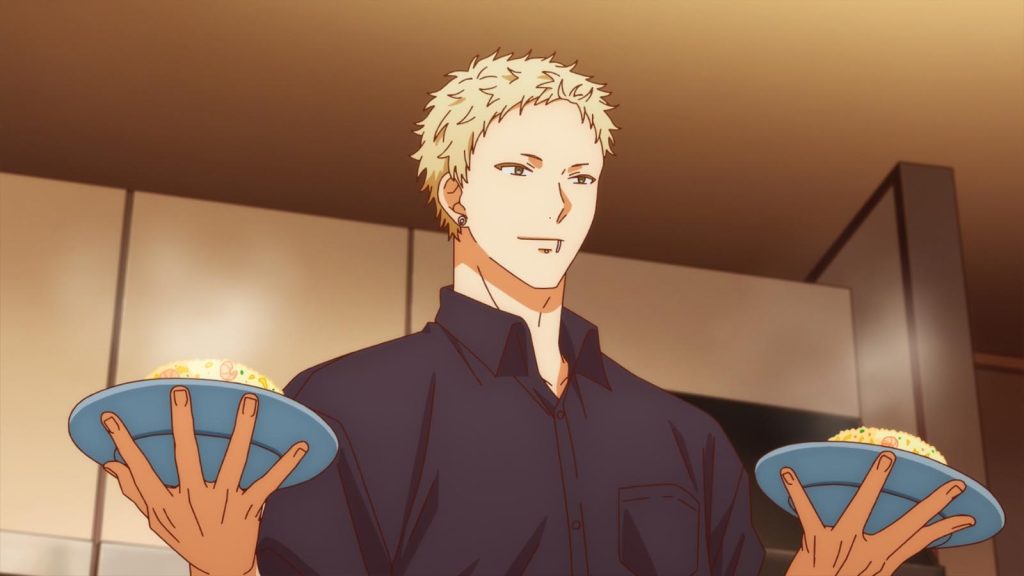
At its core, what is seme in BL? The term “seme” comes from the Japanese verb semeru, meaning “to attack,” and as a noun it translates to “attacker” or “the one who attacks.”
Outside of fandom, “semeru” is actually a martial arts term, used in disciplines like kendo to describe an attacker’s stance or pressure. Within BL (Boys’ Love) and yaoi media, the seme meaning takes on a much more specific role.
In BL, “seme” refers to the character in a romantic pairing who takes on the more dominant, assertive, or “top” role in the relationship.
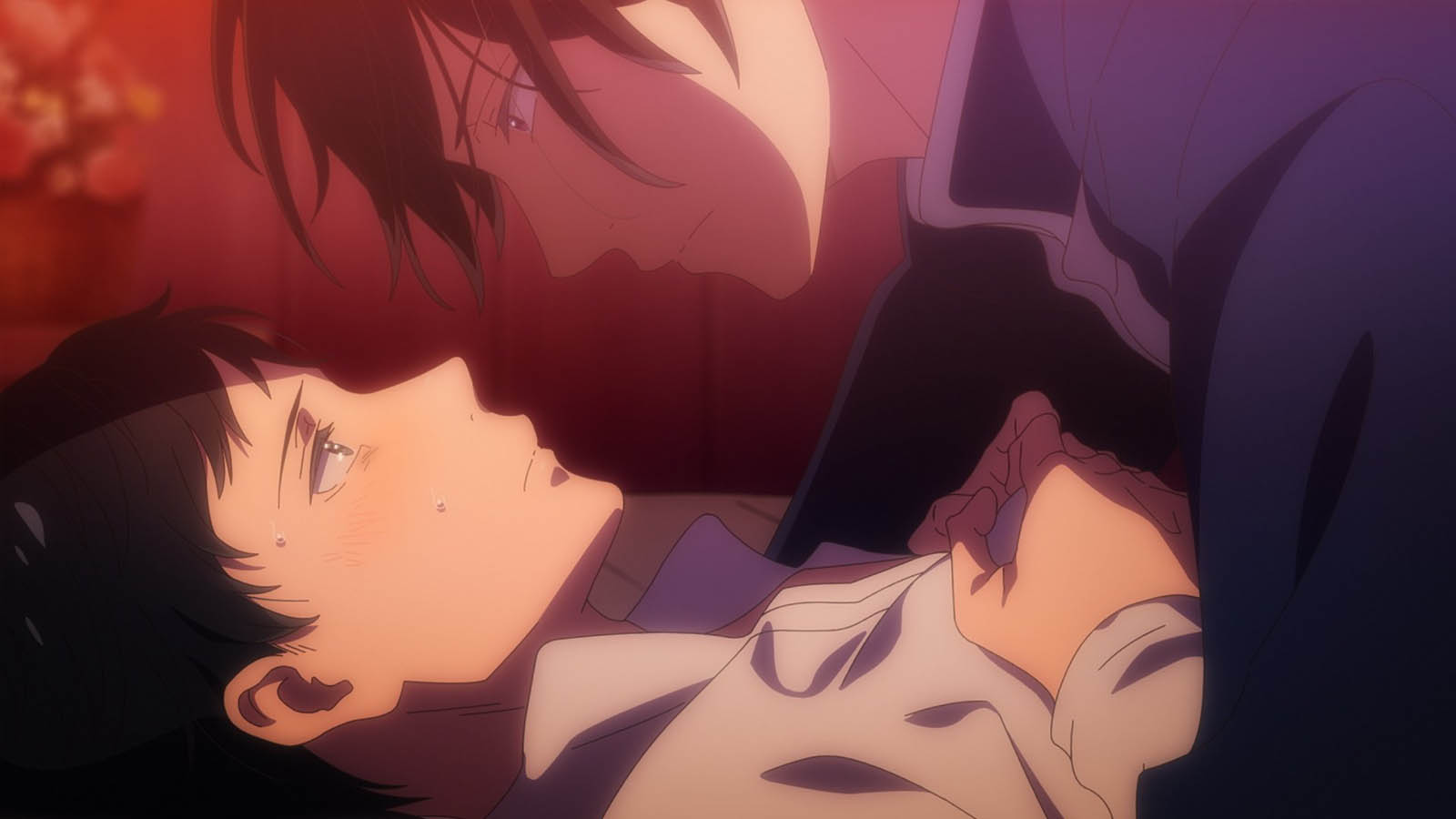
This is really the heart of what is seme in BL, describing one half of a pairing dynamic. BL pairings are traditionally built around two complementary roles, with the seme on one side and the uke (“the one who receives”) on the other.
The uke is generally framed as the more receptive, submissive counterpart to the seme.
Like many BL terms, seme made its way from Japanese doujinshi and yaoi fan circles into the wider, English-speaking corners of fandom as Boys’ Love found an international audience. Once you’ve got a handle on what is seme in BL, the rest of the genre’s shorthand starts to click into place.
Seme’s role in the uke/seme dynamic
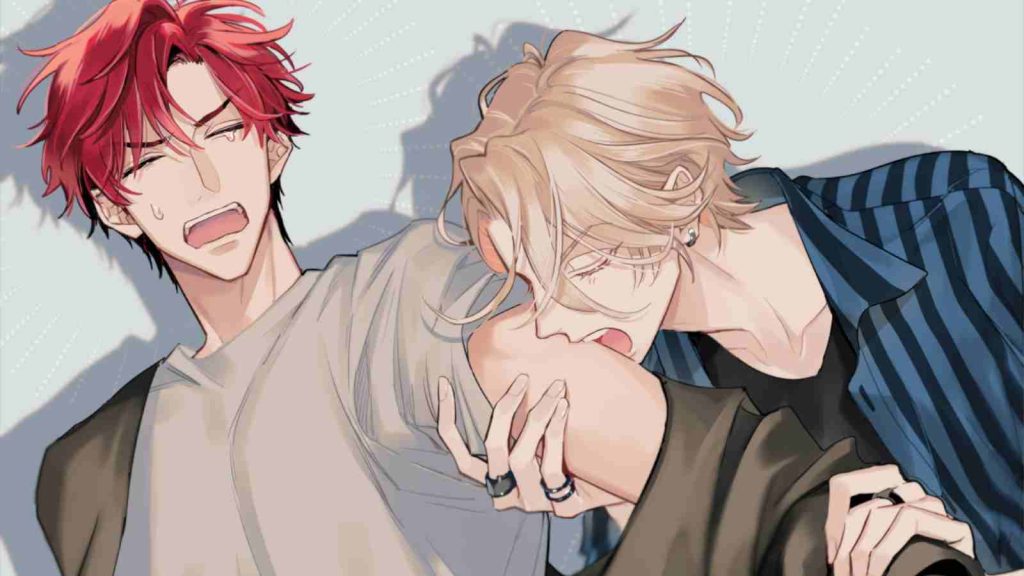
To really understand what is seme in BL, it helps to look at this pairing dynamic as a whole rather than the seme role in isolation. The seme is generally positioned as the more assertive partner, the one doing the pursuing, protecting, or emotionally “drawing out” the other over the course of the story.
This means the seme’s arc revolves around confronting feelings first, taking the emotional risk, or pushing past the uke’s hesitation to move the relationship forward. The seme is typically also framed as the initiating partner in intimate scenes, which is where the term’s literal meaning (“to attack”) most directly comes into play.
The uke, by contrast, is stereotypically the one being pursued. They are the more hesitant, reactive presence gradually won over as the story unfolds.
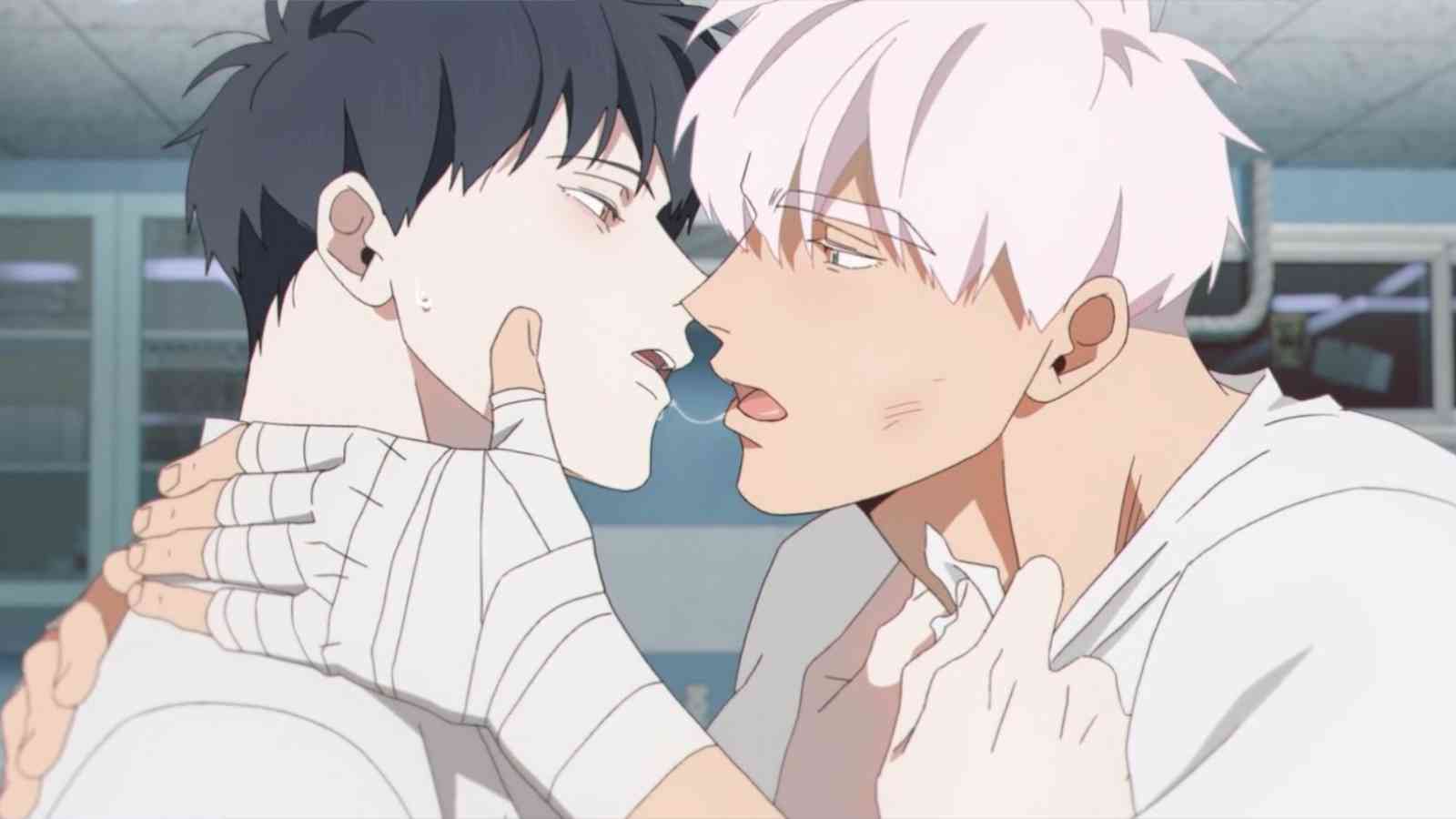
| ASPECT | TYPICAL SEME TRAIT |
| Emotional positioning | The more confident, assertive character driving the relationship’s early stages. |
| Narrative arc | The one doing the pursuing, rather than the one being won over. |
| Physical dynamic | Framed as the initiating partner in romantic/intimate scenes. |
| Visual cues | Sometimes (though not always) drawn taller or with a more angular frame relative to the uke. |
It’s worth noting that these are common patterns in BL, not strict rules every story follows.
Common seme archetypes in BL

Once you’ve got the basics of what is seme in BL down, it’s worth knowing that not every seme is cut from the same cloth. Fandom and creators alike have shaped a set of recurring seme archetypes over the years, each carrying its own personality quirks and storytelling beats.
| SEME ARCHETYPE | KEY TRAITS |
| Kuudere seme | Composed and hard to read on the surface, but quietly devoted underneath. Rarely raises his voice, letting small gestures reveal how much he actually cares. |
| Oresama seme | Confident to the point of arrogance, used to getting his way and rarely questioning himself. His certainty is part of the appeal, even when it borders on overbearing. |
| Wanko seme | Energetic, affectionate, and openly loyal, like an eager puppy. Wears his feelings on his sleeve and isn’t shy about showing devotion early on. |
| Yandere seme | Obsessive and intensely possessive, with affection that can tip into controlling or even dangerous territory when jealousy takes over. |
| Gentle/soft seme | Patient, nurturing, and quietly supportive rather than forceful. A subversion of the typical aggressive stereotype, leading with care instead of dominance. |
| Hetare seme | Shows real moments of insecurity or hesitation despite being the “top.” A softer, sometimes comedic subversion of the confident seme archetype. |
No single archetype has a monopoly on the role, and a lot of the fun for fans comes from spotting which traits a series decides to mix and match.
Seme in popular BL media
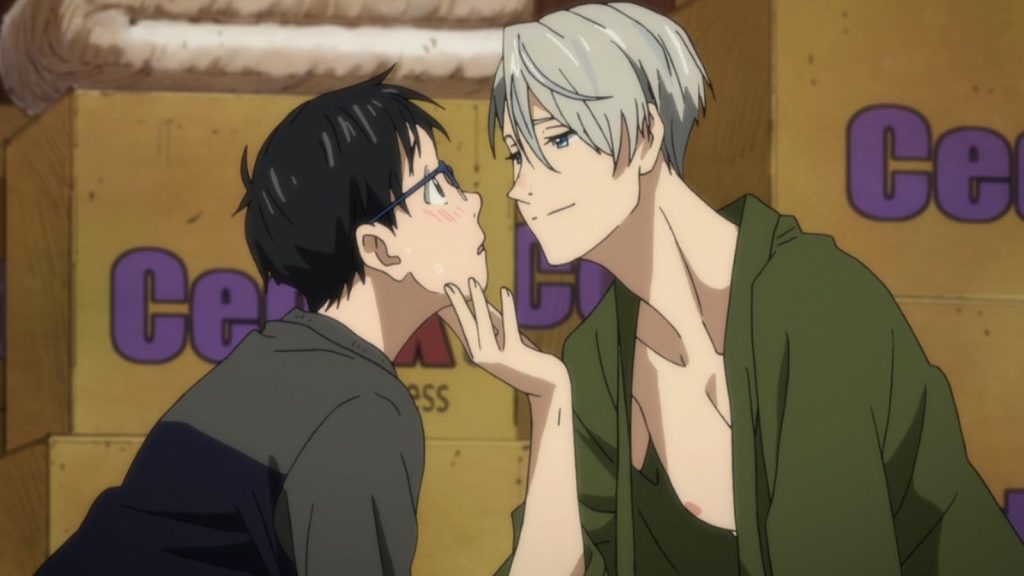
Looking at how seme characters play out on screen or page is often more useful than any definition, since it shows how much range the role really has. Below are a few well-known BL titles and their leading seme characters.
Victor Nikiforov (Yuri!!! on Ice)
Yuri!!! on Ice is technically a sports anime rather than straight-up BL, but fans have long read Victor and Yuri’s dynamic through a BL lens. Victor checks a lot of seme boxes at first glance: charismatic, self-assured, and the one who upends Yuri’s life by declaring himself his coach out of nowhere.
Ritsuka Uenoyama (Given)
Given’s Ritsuka is a quieter, more understated take on the seme role. He’s not chasing Mafuyu so much as slowly, almost reluctantly, opening himself up to someone else’s grief, and figuring out his own feelings along the way.
Takano Masamune (Sekaiichi Hatsukoi)
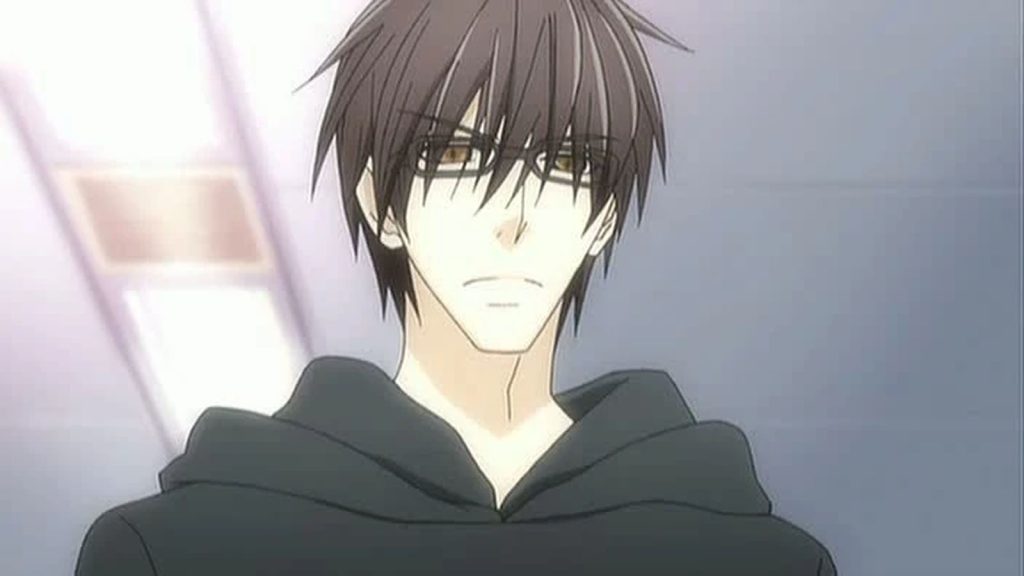
Takano leans into the oresama side of the seme spectrum — sharp-tongued, controlling at work, and not used to being told no. But his history with Ritsu Onodera cracks that exterior, revealing a stubborn, almost insecure sincerity underneath all the bravado.
Hua Cheng (Heaven Official’s Blessing)
Hua Cheng flips the script on what a seme’s dominance can look like. He’s one of the most powerful characters in the series, yet his role in Xie Lian’s life is built on patience and devotion rather than control. Centuries of quiet loyalty, not assertiveness, are what define him, proof that the seme archetype has room for softness at its core.