Updated on July 27, 2026 at 5:59pm: Added more details on where can I read doujinshi, including additional physical retailer options.
You’re deep into your favorite anime or manga series, and suddenly someone mentions doujinshi like it’s common knowledge.
If you’re left wondering what’s a doujinshi and why fans keep bringing it up, you’re not alone—it’s one of those terms that’s everywhere in fan spaces but rarely explained outside them.
| LEARN RELATED LORE What is it about yaoi that girls can’t get enough of? The psychology behind the obsession Manhwa vs manga: What’s the difference? A guide to history, art, and reading style |
At its core, doujinshi sits in a category all its own, separate from the licensed manga on your shelf and different from the fan fiction you’d find posted online. It’s tied to a self-publishing culture that’s existed in Japan for decades, one with its own events, retailers, and unwritten rules—and one that more than a few now-famous manga artists got their start in.
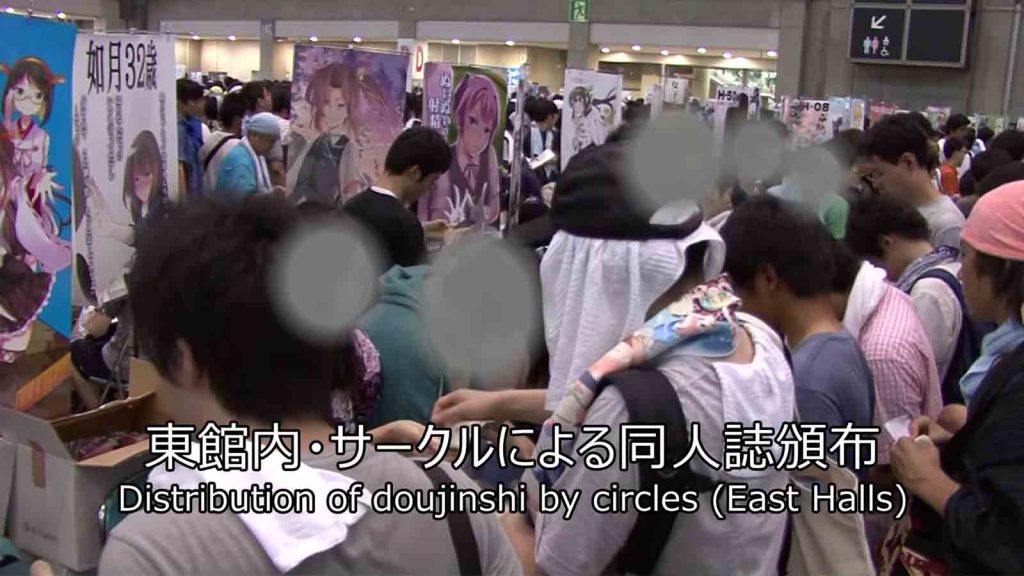
In this guide, we’ll break down what’s a doujinshi, the different forms it takes, how it differs from the manga and fan fiction you already know, and where you can actually go to read it for yourself.
What’s a doujinshi?
It’s a term that comes up constantly in manga and anime fan spaces, but what’s a doujinshi exactly?
Doujinshi is the term for self-published, independently created manga and comics made by hobbyist artists rather than mainstream publishing companies.
It’s built from two Japanese words:
- doujin (同人), which translates roughly to “fellow enthusiast” or “someone in the same circle,” and
- shi (誌), meaning “publication”
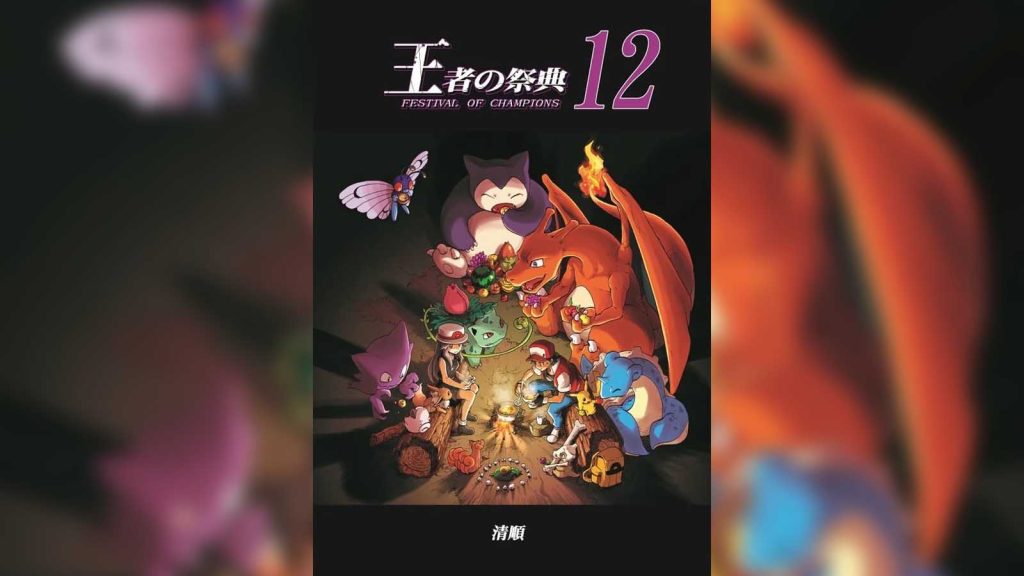
Put together, it describes work made by and for a community of people who share the same passion.
To really understand what’s a doujinshi, it helps to look at where it came from. Modern doujinshi culture developed in Japan in the 1970s, growing alongside the rise of manga and anime fandoms. As fans looked for ways to become more deeply involved with their favorite series, self-publishing became a popular creative outlet.
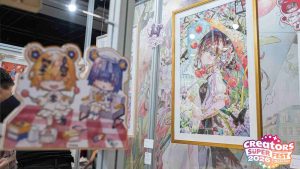
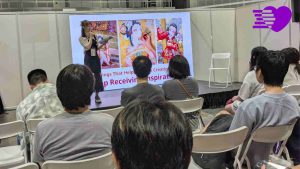
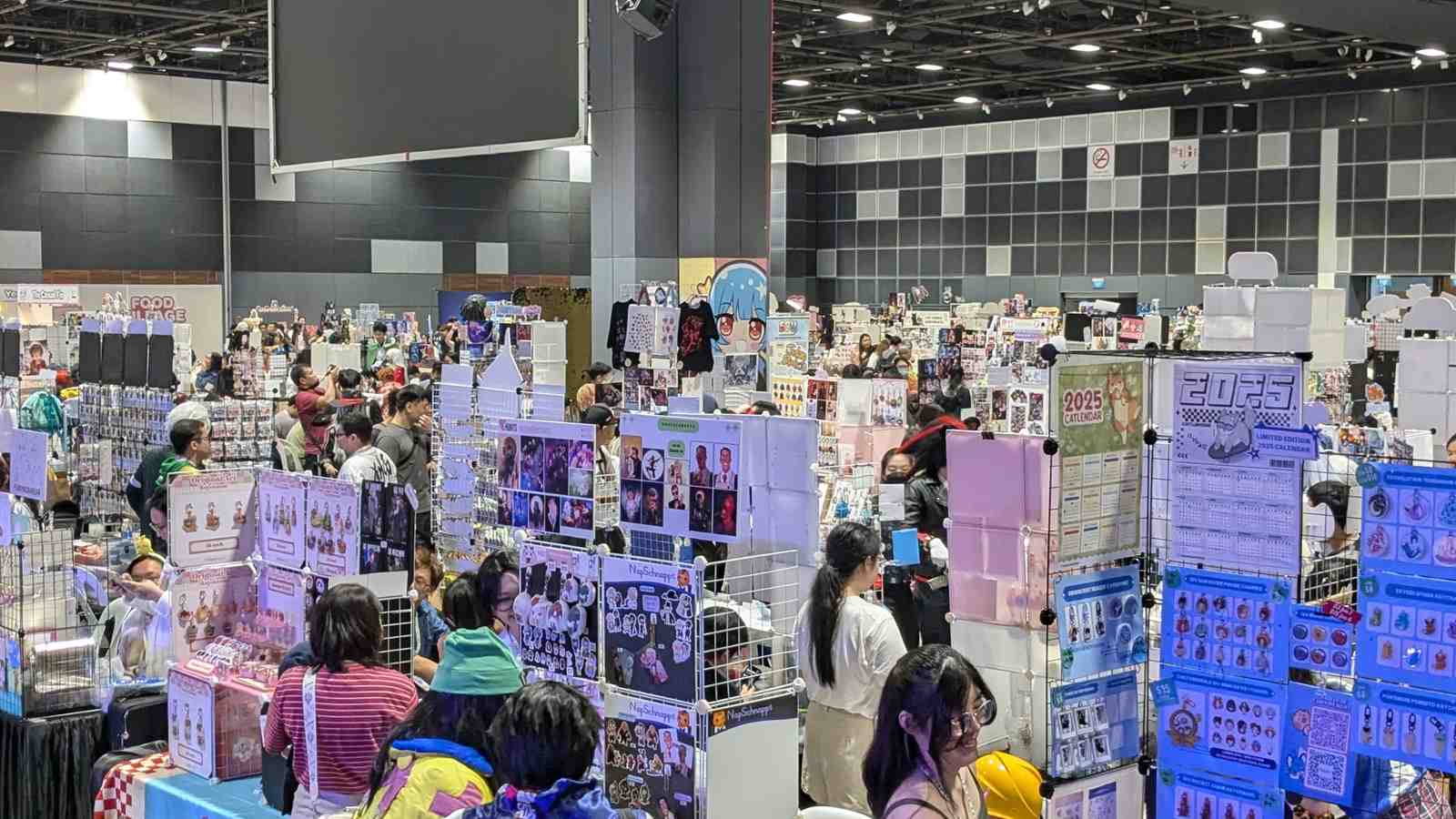
This movement gained major momentum with the founding of Comiket (Comic Market) in December 1975, a small gathering of just 32 circles and around 700 attendees that has since grown into the largest doujinshi convention in the world, drawing hundreds of thousands of attendees each year.
Notably, several well-known professional manga artists got their start creating doujinshi before entering the mainstream industry. This includes Ken Akamatsu (Love Hina) and Kiyohiko Azuma (Azumanga Daioh, Yotsuba).
Types of doujinshi
Now that you know what’s a doujinshi, it helps to see how varied it can actually be. Doujinshi can be classified by where the story comes from and by the kind of content it features.
| TYPE | CATEGORY | DESCRIPTION |
| Aniparo (Parody) | Origin | Based on existing anime, manga, or game characters. This is the most common and widely produced type. |
| Original (Sousaku) | Origin | Entirely original characters, settings, and stories, not tied to any existing franchise. |
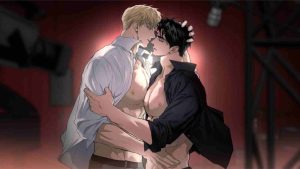
| Yaoi / Boys’ Love (BL) | Genre | Male to male romance, typically created by and for female fans. |
| Yuri / Girls’ Love (GL) | Genre | Female-to-female romance. |
| Hentai / Ero (H-doujinshi) | Genre | Sexually explicit content, often based on existing characters. |
| Furry / kemono | Genre | Anthropomorphic animal characters, sometimes overlapping with yaoi/yuri themes. |
| Gag / comedy | Tone | Absurd, silly, or crack-humor stories meant purely for laughs. |
| Honobono (heartwarming) | Tone | Light, wholesome, slice-of-life stories with a gentle tone. |
| Serious / drama | Tone | Stories that treat their subject matter with emotional weight, closer to angst or drama. |
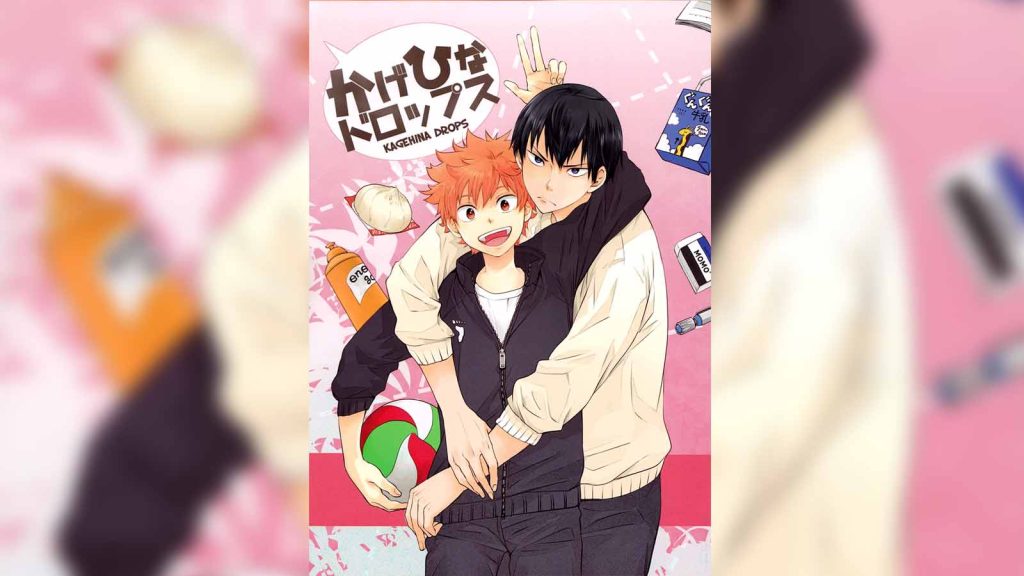
It is important to note that this isn’t a complete list. Doujinshi culture has many more niche subtypes and terms (like anthologies, novels-only doujinshi, or critique/meta works). These are simply the most common and widely recognized categories you’ll encounter as a reader.
Doujinshi vs. manga vs. fan fiction
Now that you know what’s a doujinshi, let’s explore how it differs from regular manga or Western-style fan fiction. The distinctions come down to who creates the work, how it’s published, and where it falls legally.
Manga refers to professionally published comics that go through an official publishing house, complete with editors, printing deals, and distribution through bookstores or licensed digital platforms. Manga creators are typically paid professionals working within an established industry system.
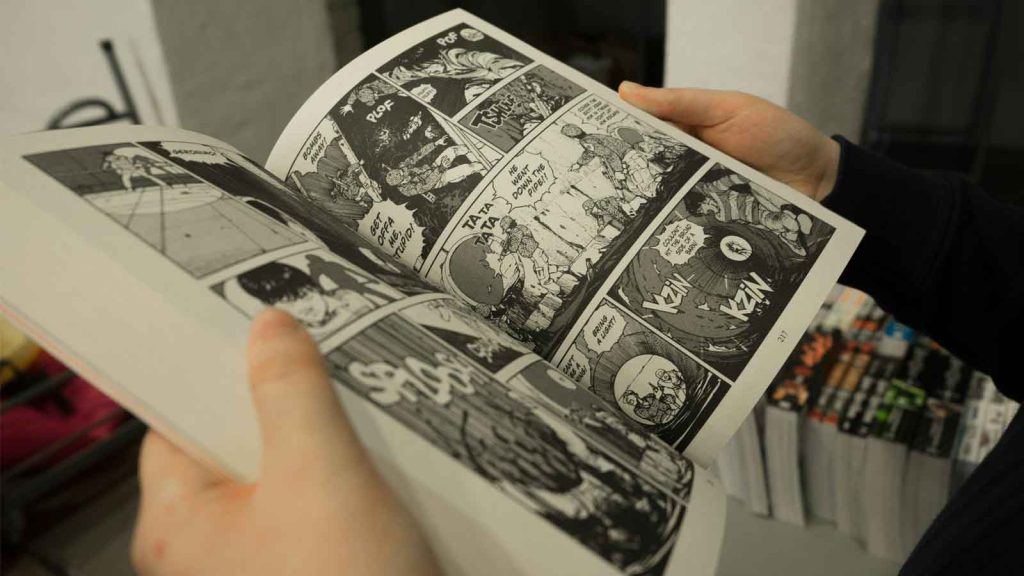
Doujinshi, by contrast, is self-published — created, funded, and distributed by the artist or a small “circle” without any official publisher involved. While doujinshi can be entirely original, a large portion are parody works based on existing manga, anime, or games, sold at conventions like AFA, Comiket or through specialty stores.
Fan fiction is similar to parody doujinshi in spirit. Both are unofficial, fan-made stories based on someone else’s characters or world.
The key difference is format and culture: fan fiction is usually written text shared for free online (on sites like AO3 or Wattpad), while doujinshi is typically illustrated, printed, and sold for profit, especially in Japan, where a more established commercial ecosystem exists around fan-made work.
| ASPECT | DOUJINSHI | MANGA | FAN FICTION |
| Creator | Amateur/independent artist or circle | Professional artist, backed by a publisher | Amateur writer (usually unpaid) |
| Publishing | Self-published, sold at conventions/stores | Published through a commercial publishing house | Self-posted online, typically free |
| Content origin | Original or based on existing works | Usually original (licensed IP) | Almost always based on existing works |
| Monetization | Often sold for profit | Sold commercially | Rarely monetized |
| Legal status | Gray area, tolerated in Japan | Fully licensed and legal | Gray area, generally tolerated |
Where can I read doujinshi?
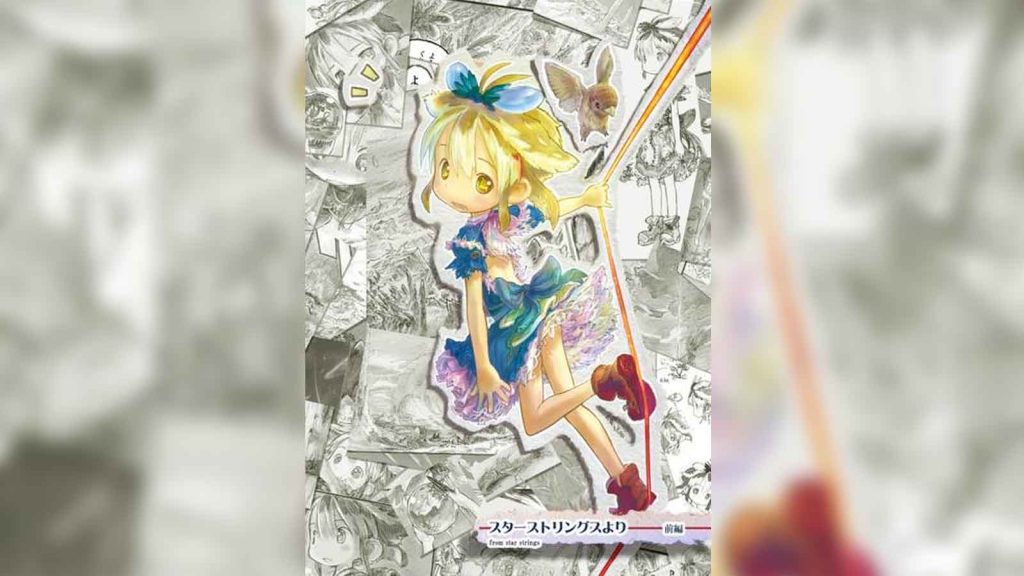
If you’re wondering where can I read doujinshi, the answer isn’t as simple as opening a mainstream manga app. Since these are independently published works, they’re scattered across niche marketplaces and specialty retailers rather than centralized on one big platform. Here’s where readers typically find them, both online and in physical stores.
Where can I read doujinshi digitally?
DLsite is generally regarded as the biggest digital storefront for doujin content, offering hundreds of thousands of titles spanning doujinshi, games, and audio works.
Since it caters to an international audience, it offers an English interface and lets you download purchases directly, making it one of the easier entry points for readers outside Japan.
Pixiv, primarily known as an artist community and portfolio platform, is also a common place to discover doujinshi previews or even full releases.
Many creators pair their Pixiv presence with Pixiv FANBOX, a subscription-style tool that lets fans pay a monthly fee for exclusive content, including full digital doujinshi releases.
Where can I read doujinshi? Physical retailers
If you’re still asking yourself where can I read doujinshi in person, physical retailers are a great place to start.
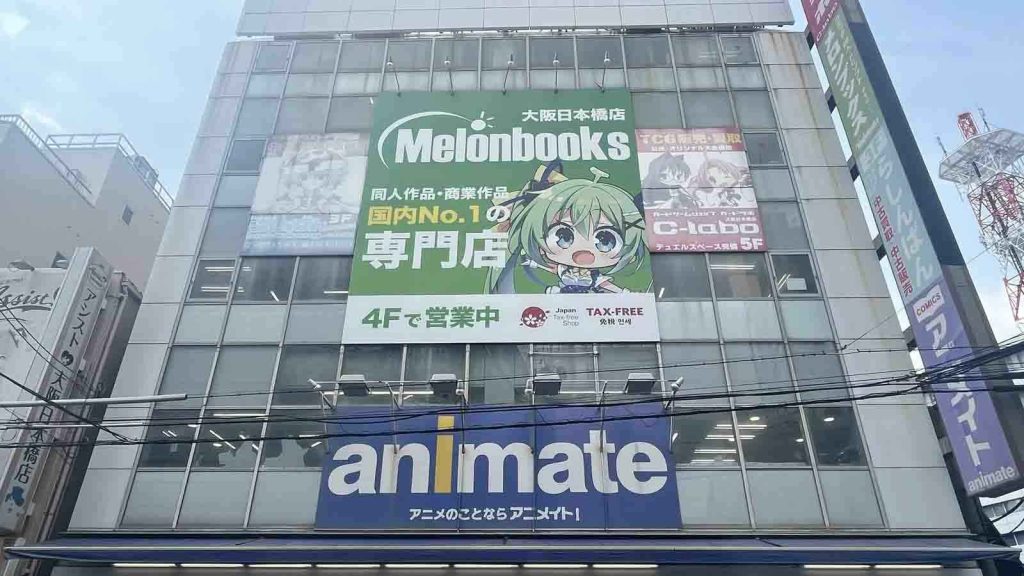
Melonbooks and Toranoana are the two biggest names in doujinshi retail, connecting independent creators with readers through both physical stores and online storefronts. They offer an extensive selection and are well trusted within the community.
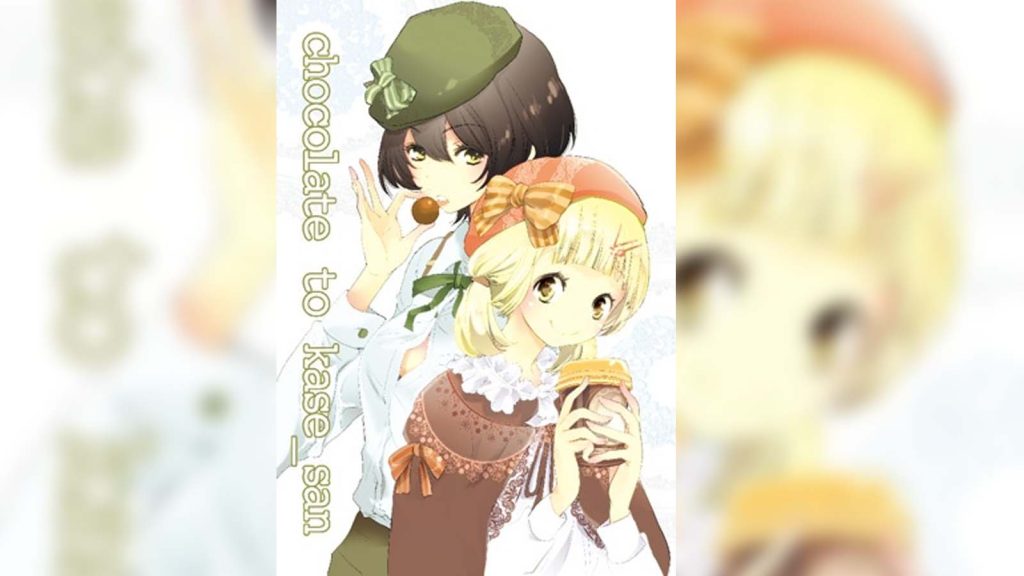
Alice Books is a smaller specialty retailer focused specifically on doujinshi and related merchandise, often favored by collectors.
Mandarake, best known for secondhand and collectible goods, also carries a notable doujinshi inventory — a useful stop if you’re hunting for older or out-of-print titles.
Animate, while primarily a general anime merchandise chain, also stocks new doujinshi releases and plays a role in the wider official distribution network.
For those who still want to know where can I read doujinshi without going digital, BOOKOFF, Japan’s largest secondhand bookstore chain, occasionally carries used doujinshi alongside its manga and book selection. Stock varies a lot by branch, so it’s more of an “if you stumble on it” option than a reliable source.
K-Books is another major chain worth checking out, known for its dedicated doujinshi floor in Ikebukuro, Japan (part of the famous Otome Road strip). It’s been a staple in Japan’s otaku retail scene for over three decades, dealing primarily in secondhand doujinshi and otaku goods.