If you’ve tumbled down the delightful rabbit hole of Boys’ Love manga, manhwa, or live-action dramas, congratulations, and welcome to the club! You’ve likely already noticed that this fandom comes with its own unique language.
Between terms like omegaverse, slow-burn, and canon, one specific question tends to pop up more than any other for newcomers: What is a uke in BL?
| GO DEEPER INTO THE FANDOM The ultimate guide to doujinshi: Meaning, types, and how to find them Fujoshi, fudanshi, fujoshing: BL fandom terms you need to know |
Let’s break down the uke meaning and where this term comes from, what it signals about a character, and why it’s become one of the most talked-about concepts in Boys’ Love.
What is a uke in BL? Uke meaning
At its core, what is a uke in BL? The term “uke” is a Japanese word that literally translates to “receiver” or “the one who receives.”
In everyday Japanese, it’s a fairly neutral word, but in the context of BL (Boys’ Love) and yaoi media, the uke meaning is much more specific.
| FIND OUT WHY YOU’RE THE WAY YOU ARE What is it about yaoi that girls can’t get enough of? The psychology behind the obsession |
In BL, “uke” refers to the character in a romantic pairing who takes on the more receptive, submissive, or “bottom” role in the relationship.
This is really the heart of what is a uke in BL: it describes one half of a pairing dynamic. BL pairings are traditionally built around two complementary roles, with the uke on one side and the seme (“the one who attacks” or takes initiative) on the other.
The seme is generally framed as the more dominant, assertive counterpart to the uke.
The term originated in Japanese fan communities around manga and anime, particularly within yaoi circles, before spreading into English-language fandom spaces as BL grew in global popularity. Knowing what is a uke in BL is the first step fans take toward understanding the genre’s broader vocabulary and storytelling conventions.
Uke’s role in the uke/seme dynamic
To really understand what is a uke in BL, it helps to look at this pairing dynamic as a whole rather than the uke role in isolation. The uke is generally positioned as the more receptive partner: the one being pursued, protected, or emotionally “opened up” over the course of the story.
This means the uke’s arc revolves around learning to trust, accept vulnerability, or reciprocate feelings that the seme has already made clear. The uke is typically also framed as the receiving partner in intimate scenes, which is where the term’s literal meaning (“to receive”) most directly comes into play.
The seme, by contrast, is generally written as the one initiating. They are the pursuer, the more confident or assertive presence pushing the relationship forward.
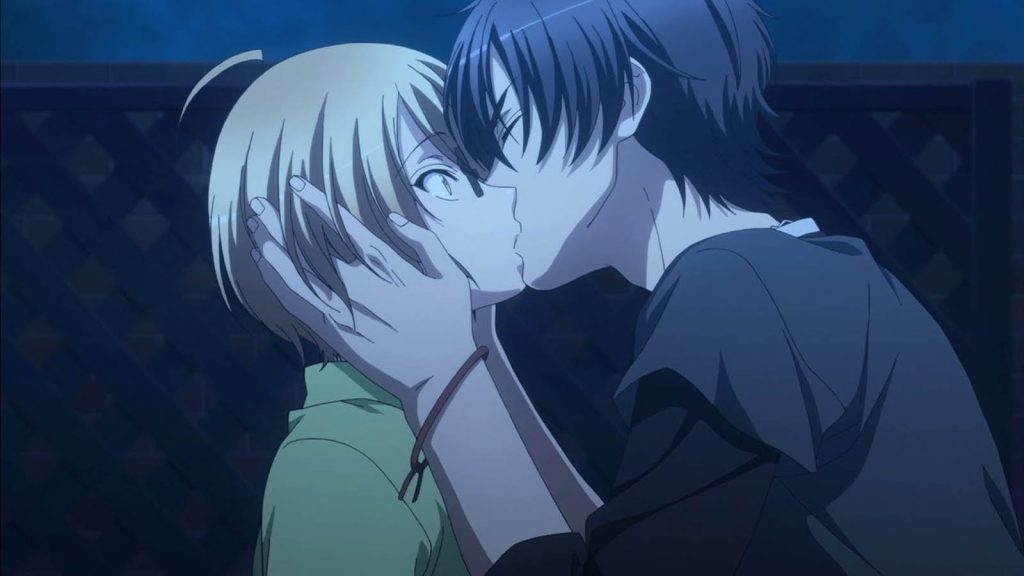
| ASPECT | TYPICAL UKE TRAIT |
| Emotional positioning | The more hesitant, guarded, or reactive character in the relationship’s early stages. |
| Narrative arc | The one being “won over,” rather than the one doing the pursuing. |
| Physical dynamic | Framed as the receiving partner in romantic/intimate scenes. |
| Visual cues | Sometimes (though not always) drawn with softer features or a smaller frame relative to the seme. |
It’s worth noting that these are common patterns in BL, not strict rules every story follows.
Common uke archetypes in BL
Not all ukes are written the same way, which is another layer worth knowing once you understand the basics of what is a uke in BL. Over the years, BL fandom and creators have developed a handful of recognizable uke archetypes, each with its own personality traits and story patterns.
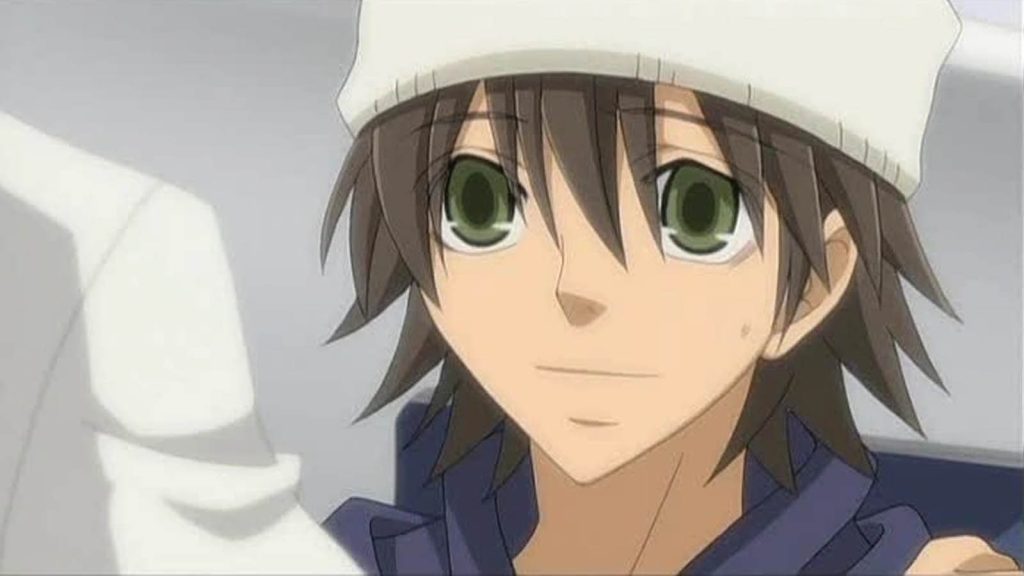
| UKE ARCHETYPE | KEY TRAITS |
| Tsundere uke | Prickly and defensive at first, denying their feelings verbally while their actions (blushing, lingering, small acts of care) say otherwise. |
| Cool/aloof uke | Composed and hard to read, rarely shows vulnerability. The rare moments they do open up feel especially significant. |
| Cheerful/genki uke | Bright, energetic, and openly affectionate. Wears their feelings on their sleeve, making the relationship feel warmer and less guarded from the start. |
| Naive/innocent uke | Often inexperienced in romance or life in general. Their arc centers on discovery — learning about their own feelings alongside the reader. |
| Assertive/strong-willed uke | A modern subversion of the “passive” stereotype. May be physically capable, emotionally direct, or just as proactive in pursuing the relationship as the seme. |
| Older/mature uke | Less common, but flips the usual age or authority dynamic. The uke is older, more experienced, or holds more social power than the seme. |
Each archetype taps into different reader preferences, and many BL series blend or bend these categories rather than sticking to just one.
Uke in popular BL media
Seeing examples in mainstream media is the fastest way to understand what is a uke in BL beyond the textbook definition. Here are a few well-known BL titles and how their uke characters play into (or push against) the typical role.
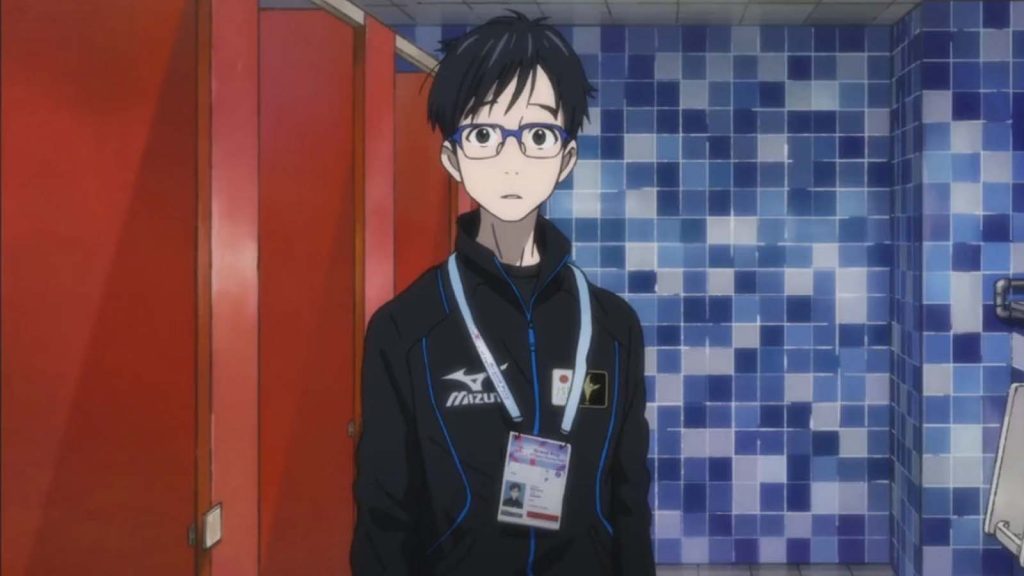
Yuri Katsuki (Yuri!!! on Ice)
While technically a sports anime rather than a straightforward BL, Yuri Katsuki is often read by fans through a BL lens in his dynamic with Victor.
He fits several classic uke traits — anxious, self-doubting, and emotionally reactive early on — but his arc is really about him growing into his own confidence, showing how a uke’s journey can be about more than just being won over.
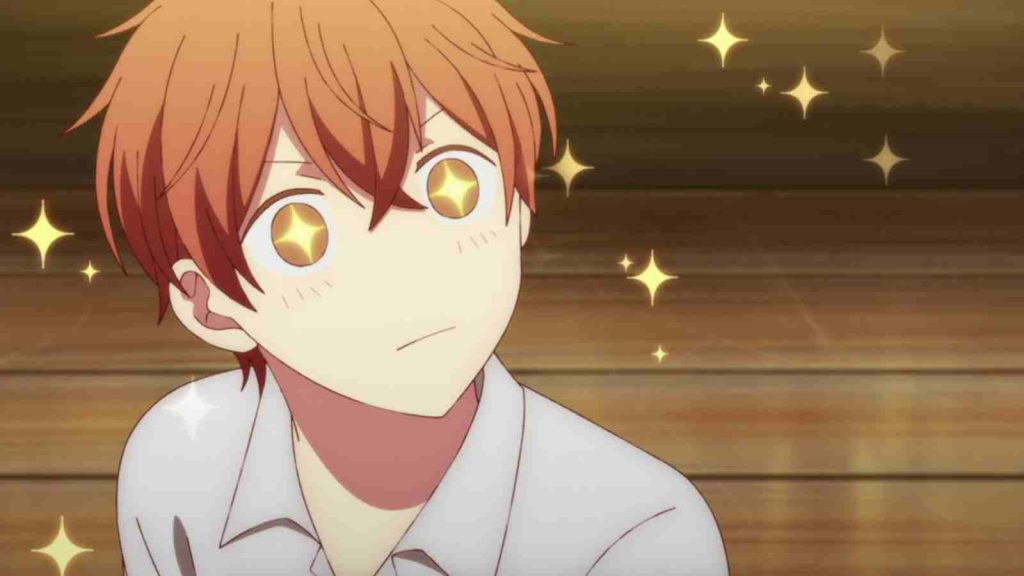
Mafuyu Sato (Given)
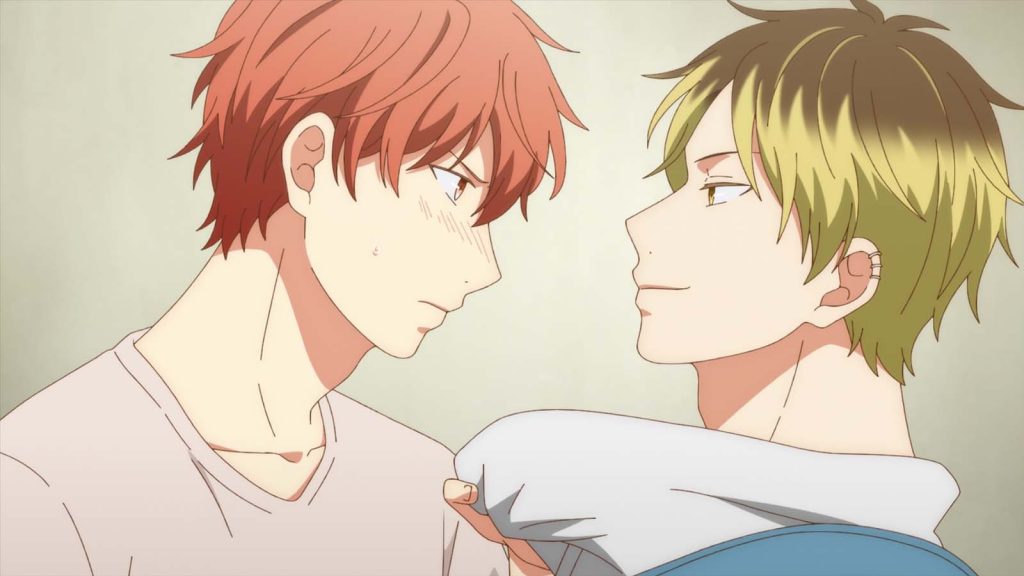
Mafuyu is a good example of the more emotionally vulnerable uke archetype. Much of his arc revolves around grief, self-worth, and slowly opening up to intimacy again.
Ritsu Onodera (Sekaiichi Hatsukoi)
Ritsu blends the tsundere and cool/aloof archetypes — he is outwardly composed and resistant to vulnerability, but with an emotional softness that surfaces gradually.
His dynamic with Takano is a good example of the “push-pull” tension common in uke-driven storylines.
Xie Lian (Heaven Official’s Blessing)
A great example of a uke that subverts the “passive” stereotype. Xie Lian is powerful, self-sacrificing, and takes the lead in dangerous situations, showing how modern BL/danmei titles write ukes with agency and strength.