
So, what is the omegaverse, exactly? It’s a term that shows up constantly in fanfiction tags, romance recommendation threads, and comment sections.
You’ve probably seen a/b/o written on a story description, or opened a fic that throws around words like “heat,” “rut,” and “presenting.”
| COME, READ THE REST OF THE BIBLE Seme 101: What it means in BL and the characters who made it iconic Uke in BL explained: Meaning, traits, famous characters you should know |
If you’ve ever wondered the a/b/o meaning or found yourself asking questions like “can an Alpha even be submissive?” you’re not alone. In this guide, we’ll break down what the omegaverse is, the a/b/o meaning, how the dynamics typically work, and why the genre has become so popular.
What is the omegaverse?

Omegaverse — also called the a/b/o universe — is a fictional world-building trope where society is organized around a secondary biological hierarchy layered on top of traditional gender.
Instead of (or in addition to) male and female, characters are also categorized as alpha, beta, or omega, and this second designation shapes everything from social status to attraction to relationships.
The trope originated in fanfiction for the TV show “Supernatural” in the early 2010s. Writers in the fandom began experimenting with wolf-pack-inspired dynamics (dominant “alphas,” submissive “omegas,” and a more neutral “beta” majority) to explore power dynamics, biological attraction, and soulmate-style bonding between characters such as Sam and Dean Winchester, or Dean and Castiel.

Since then, omegaverse has spread far beyond its fandom origins and become a recognizable subgenre in its own right. It now appears in original romance novels (many self-published and bestselling), webcomics and manga (particularly popular in Boys Love/yaoi spaces), and fanfiction across dozens of other fandoms, from anime to K-pop to superhero franchises.
A/b/o meaning
A/b/o — alpha, beta, and omega — are three biological designations that define social structure and relationships in omegaverse fiction. Each label carries its own set of traits, and understanding them is key to understanding how these stories work.
Alphas are typically portrayed as dominant, physically strong, and protective, and experience “ruts.” In many stories, they hold higher social status and are drawn to omegas both biologically and romantically. Alphas are often written as natural leaders, though as we’ll cover later, this doesn’t mean every alpha character fits the mold.

Betas are the most “ordinary” designation, closest to how people function in the real world without the added biology. They don’t experience heats or ruts, and they’re less central to the romantic tension that drives most omegaverse plots. Because of this, betas are often side characters or background figures, though some authors intentionally center them to subvert expectations.
Omegas are usually written as the more nurturing or submissive designation, and they’re biologically capable of experiencing “heats” (periods of heightened fertility and attraction that often drive the central romance or conflict in a story). They typically have the ability to become pregnant. This trait is tied to being an omega, not to gender, which means male omega characters can get pregnant and give birth just as easily as female ones.
Omegas are also frequently the protagonists in omegaverse romance, with the plot centered on their relationship with an Alpha love interest.
| DESIGNATION | TYPICAL TRAITS |
| Alpha | Dominant, physically strong, protective; often holds higher social status; drawn to omegas biologically and romantically |
| Beta | The “ordinary” designation; doesn’t experience heats or ruts; often a background or side character |
| Omega | Nurturing or submissive framing; experiences heats; frequently the protagonist in omegaverse romance |
Beyond the three main designations, omegaverse stories come with their own vocabulary.
Omegaverse glossary

| TERM | MEANING |
| Heat | An omega’s periodic biological cycle marked by heightened fertility and attraction |
| Rut | The alpha equivalent of a heat |
| Knotting | A biological mating mechanic loosely borrowed from canine reproduction |
| Presenting | The moment a person’s a/b/o designation becomes apparent, usually during puberty |
| Bonding/Mating | A permanent, often biological connection formed between partners — omegaverse’s version of soulmates |
| Male pregnancy/mpreg | In omegaverse fiction, the ability to become pregnant and give birth is tied to being an omega. Male characters who are omegas can conceive and give birth, a common and popular element of the genre often referred to as mpreg. |
Can an alpha be submissive in omegaverse?
One of the most common questions newcomers ask is whether an alpha can be submissive in omegaverse fiction. The short answer is yes — and it’s actually one of the more popular ways authors put a fresh spin on the trope.
It’s easy to assume that “alpha” and “submissive” are mutually exclusive, especially since so much early omegaverse fiction leaned hard into dominant-alpha, submissive-omega dynamics.

But designation and personality aren’t the same thing. An alpha’s biology might make them physically dominant or give them certain instincts, but that doesn’t dictate how they behave in a relationship, in bed, or in day-to-day life. Plenty of authors write alphas who are shy, nurturing, anxious, or who actively prefer to submit to their partner despite their biological classification.
This kind of subversion has become such a common device that it’s practically its own micro-trope, sometimes tagged as “submissive alpha,” “switch omegaverse,” or “power bottom alpha” in fanfiction communities.
Readers often enjoy it precisely because it undercuts expectations — watching a physically dominant, socially high-status character choose vulnerability adds emotional complexity that a straightforward alpha/omega pairing doesn’t always offer.
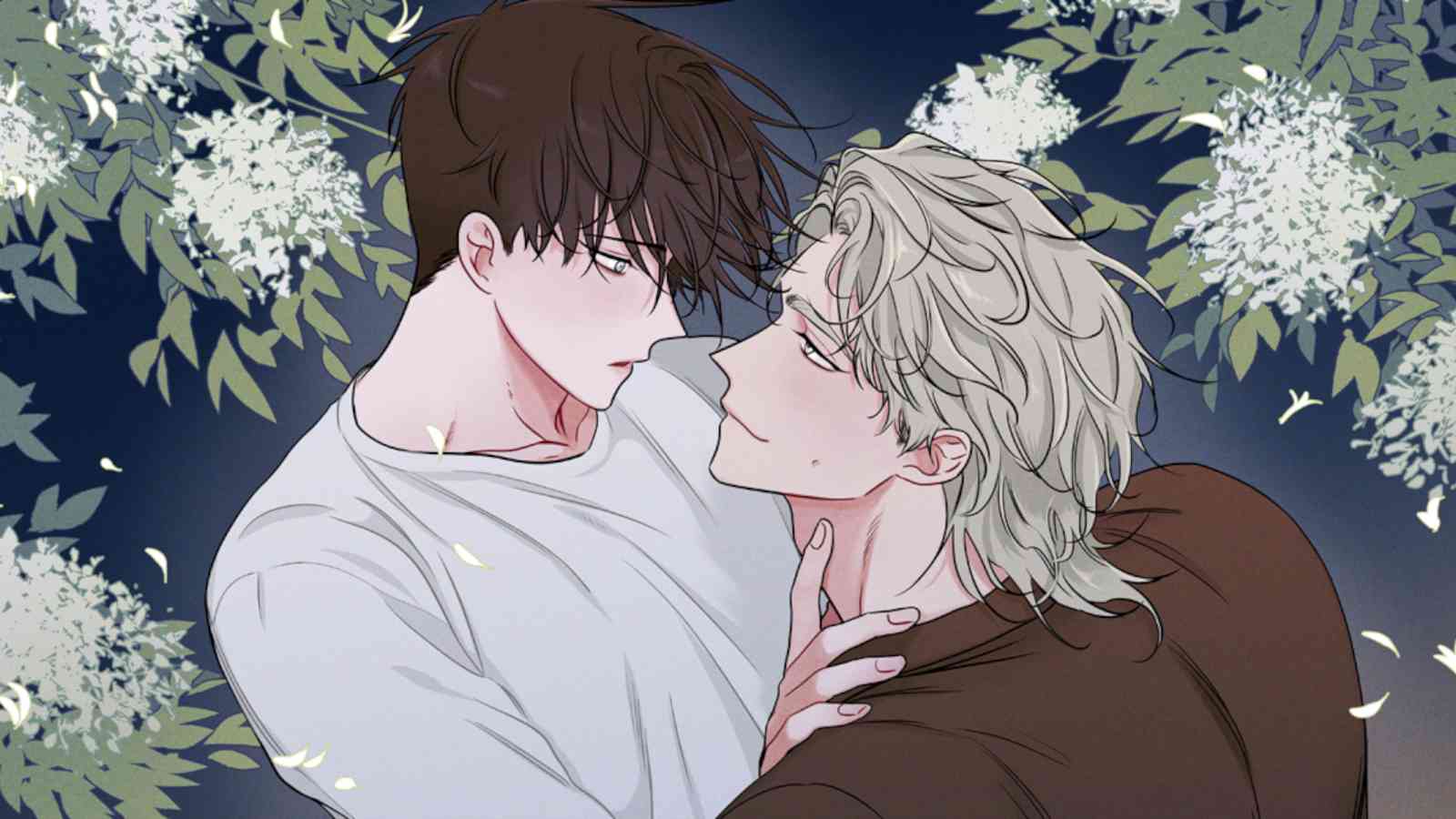
Some authors take this even further by exploring “omega alphas” or “alpha omegas” — characters whose biological designation doesn’t match their personality or role at all — which has helped push omegaverse into more flexible, character-driven territory rather than a rigid biological formula.
Ultimately, the rules of omegaverse are dictated by the author, not a universal canon. So while a submissive alpha might go against the genre’s earliest conventions, it’s entirely valid — and increasingly common — in modern omegaverse fiction.
Omegaverse in popular media
Omegaverse started in fanfiction for the TV show Supernatural, but it quickly spread to fandoms with strong found-family or ensemble dynamics — anime and manga fandoms, K-pop idol fanfiction communities, and various superhero franchises are especially common.

Writers found that the a/b/o structure worked well anywhere characters already had built-in group hierarchies, since it gave them a ready-made way to explore loyalty, power, and romantic tension.
Beyond fanfiction, omegaverse has become a genre of its own, especially within BL (Boys’ Love) manga and Boys Love manhwa:
- Platforms like Lezhin, Webtoon, and Tapas host numerous original omegaverse series, many originating from Korean manhwa (comics), a medium that’s gained significant international popularity in recent years.
- Sites like MyAnimeList and Anime-Planet maintain running lists of omegaverse-tagged manga for readers looking for recommendations.
- Fanfiction site Archive of Our Own (AO3) likewise has works with a wide variety of tags

Self-published romance fiction has also embraced the trope heavily, with platforms like WebNovel hosting hundreds of omegaverse novels and web serials, often organized by familiar romance sub-tropes like “fated mates,” “enemies to lovers,” or “second chance” dynamics layered onto the a/b/o framework.
Because omegaverse is fan-driven and constantly evolving, specific popular titles shift frequently — and vary a lot in content and audience rating. If you’re looking for recommendations, tag-based browsing on the platforms mentioned above, or curated omegaverse shelves on Kindle Unlimited tend to be the most reliable way to find current, well-reviewed titles suited to what you’re looking for.