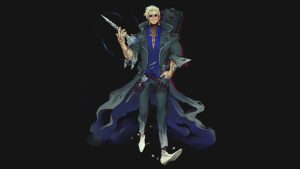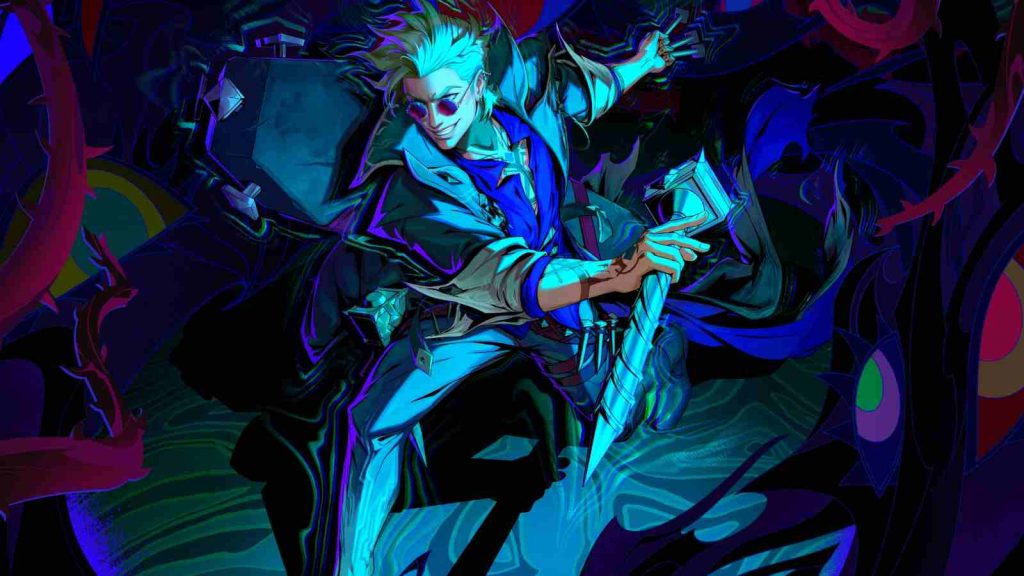
Before League of Legends champion Locke ever hit the Rift, Riot Games wanted him to be instantly recognizable: a blonde exorcist with a coffin, a nail, and a cape slowly turning to ash, drawing clear parallels to composed, suit-wearing sorcerer archetypes like Nanami Kento from Jujutsu Kaisen.
In a game packed with more than 170 champions, visual clarity is survival. But with assassin champion Locke, Riot didn’t just aim for readability—they leaned hard into anime and exorcist tropes to create a character who looks like he walked straight out of a stylish occult action series.
| GET TO KNOW THE MEN BEHIND THE FACE Locke voice actor in League of Legends: English and Japanese cast revealed |
From his weapon choice to his glasses, every piece of his design is doing double-duty: clear in a top‑down MOBA, but also dripping with character.
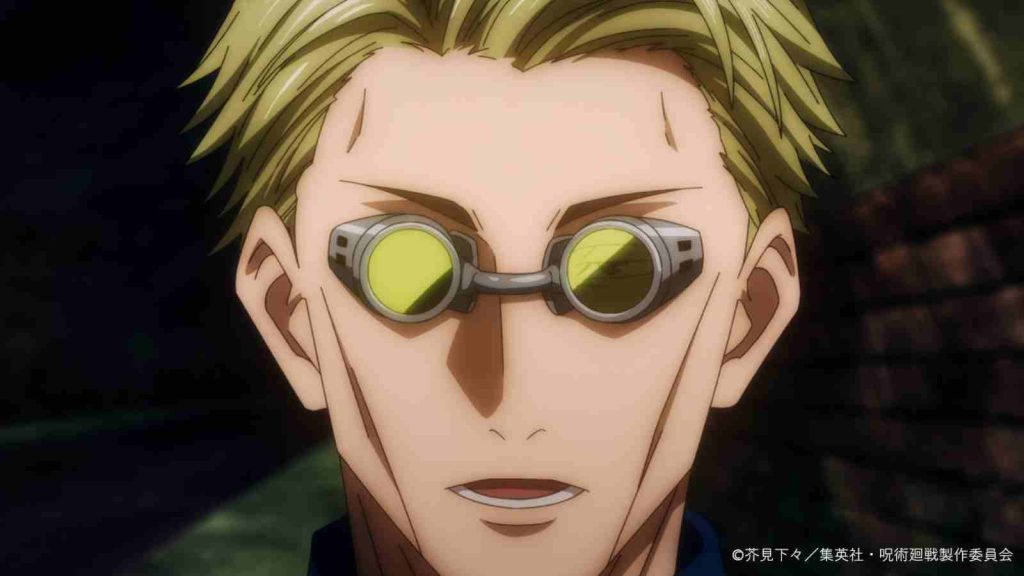
This breakdown explores how Riot transformed familiar anime imagery into a distinct League silhouette—and why it matters for players, fans, and cosplayers.
These Insights into Locke’s design were shared during a media roundtable with League of Legends Game Designer Black Smith and Senior Game Product Manager Edward Zhao.
| DISCOVER NANAMI AND HIS ANIME WORLD HERE HERE Where to watch Jujutsu Kaisen — every platform streaming the hit title Jujutsu Kaisen watch order: Best way to watch all seasons and movies |
Deconstructing League of Legends champion Locke’s unique design
League’s best designs are recognizable at a glance, even in a messy 5v5. Locke was built with that in mind. His silhouette is anchored by three main elements:
1. The nail as a weapon
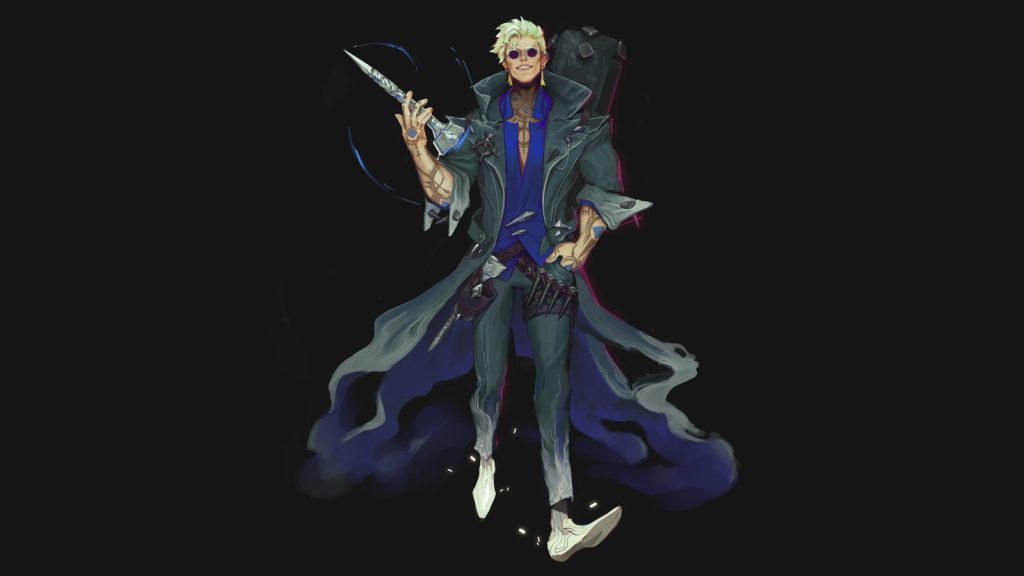
Instead of a sword, scythe, or gun, Locke fights with a massive nail and a storm of smaller ritual nails. It’s a tiny shift that does a lot of work:
- It instantly sells the exorcist and ritual angle.
- It gives him a unique outline when he attacks or idles.
- It separates him from the usual “edgy blade guy” archetype.
2. The casket on his back
The coffin is the other half of his identity. It:
- Grounds the idea that he’s sealing away souls and demons, not just killing people.
- Bulks out his silhouette so that when champion Locke steps out of a bush, you know it’s him
- Doubles as a visual tether to his ultimate and kit fantasy—this is where the things he exorcises go
3. Glasses and hairstyle
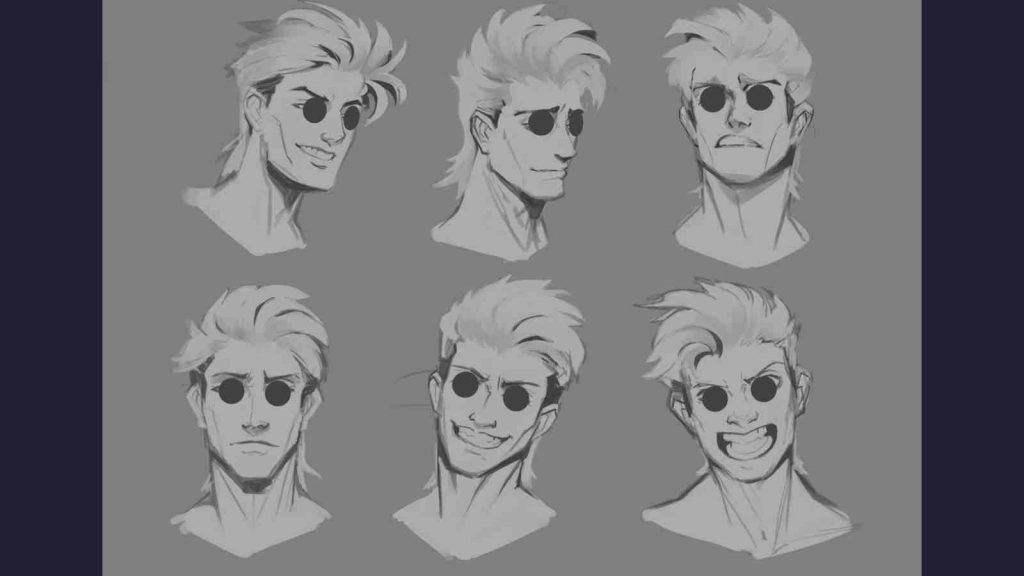
Locke’s blonde hair and glasses weren’t accidental flourishes; they were part of a strong internal vision from the art director.
Together, they shape Locke into an “intellectual exorcist” rather than a feral demon hunter, leaning into the composed, calculated specialist archetype who is always two steps ahead.
The result is a cleaner, more contemporary dark-fantasy anime vibe that makes him feel instantly at home in a modern lineup.
Tying in with Locke’s lore: The ashen cape and visual storytelling
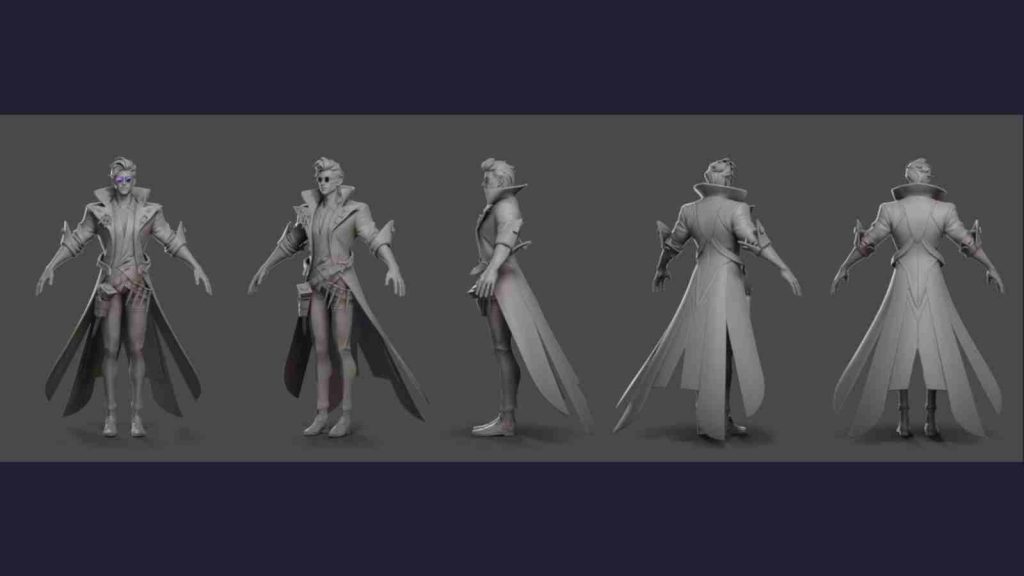
One of the most striking details on champion Locke is his outfit: bright white shoes and a cape that fades into ash.
That transition isn’t just aesthetic—it’s visual storytelling. His power is visibly consuming him, with the lower half of his cloak breaking into ash to signal that the dark ritual magic he wields is slowly burning him away—a constant reminder that strength comes at a cost.
This ties directly into his gameplay fantasy, where Locke taps into forbidden power that drains his own life, making the ash effect a diegetic reflection of that trade-off rather than just a visual theme.
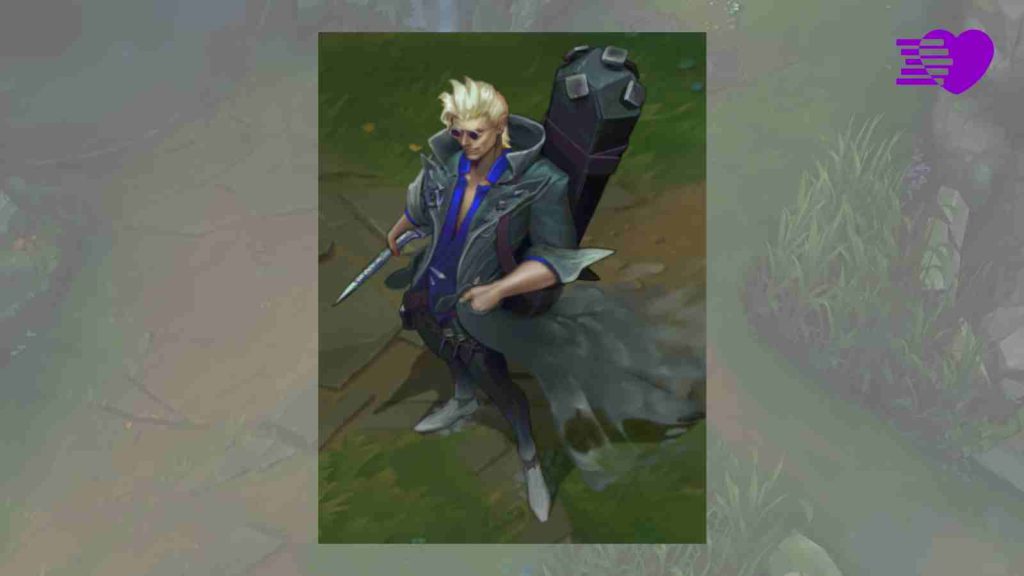
It also leans into familiar dark shonen visual language, where characters are often marked by the physical toll of the power they control.
Locke’s anime and manga inspirations
The dev team had openly drawn from anime and manga to shape Locke’s overall vibe, resulting in a character that feels immediately familiar to fans of supernatural and exorcist series.
He fits the archetype of the cool, sardonic exorcist—stylish and often irreverent, yet switching into a focused, efficient state when it’s time to fight, with sharper movements and a more disciplined presence.
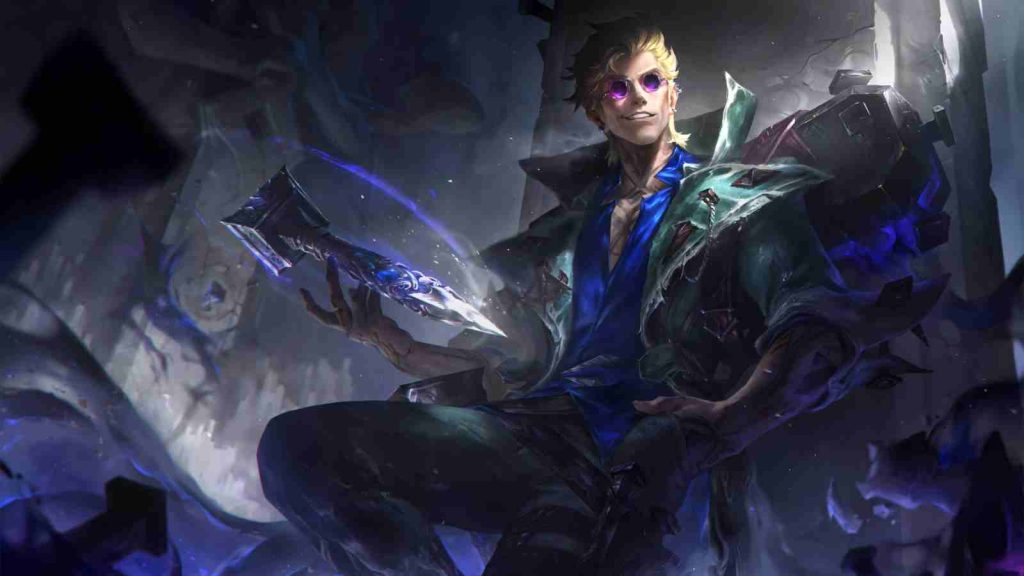
Visually, he also reflects the well-dressed occult specialist archetype, with his glasses, composed silhouette, and tools like the nail and casket presented as professional instruments rather than simple weapons.
This influence extends into his animation, from idle and movement cycles where he casually handles his weapon like a swordsman, to ability casts defined by deliberate poses, stylized motion, and clear rhythmic timing that make every action feel intentional and character-driven.
From concept art to in‑game champion
Behind the final version of champion Locke, there was a long concept and “DNA” phase where design, narrative, and art teams refined who he should be.
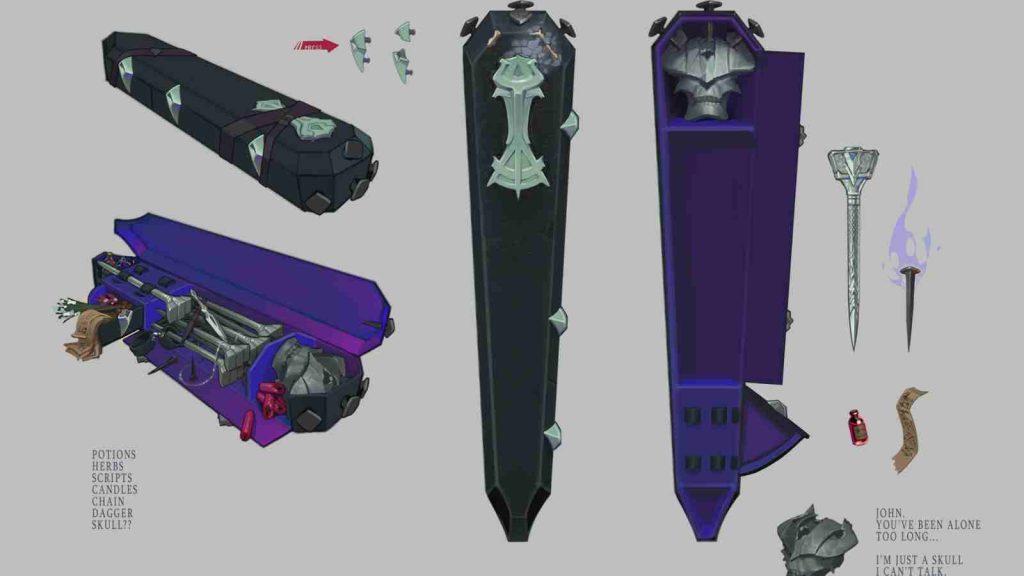
A key decision was locking in the nail and casket as his defining elements, with the nail acting as a precision tool and the casket serving as both arsenal and burden, instantly establishing his identity as a nail-slinging exorcist.
Another core choice was the ash and slow decay motif, representing his magic gradually consuming him and permanently reflected in his cape, effects, and animations. This visual idea reinforces the sense of long-term consequence being built directly into his design.
Finally, readability for gameplay and broadcast was a major priority, with his silhouette, casket, and weapon choice ensuring he remains instantly recognizable in both teamfights and on the minimap.