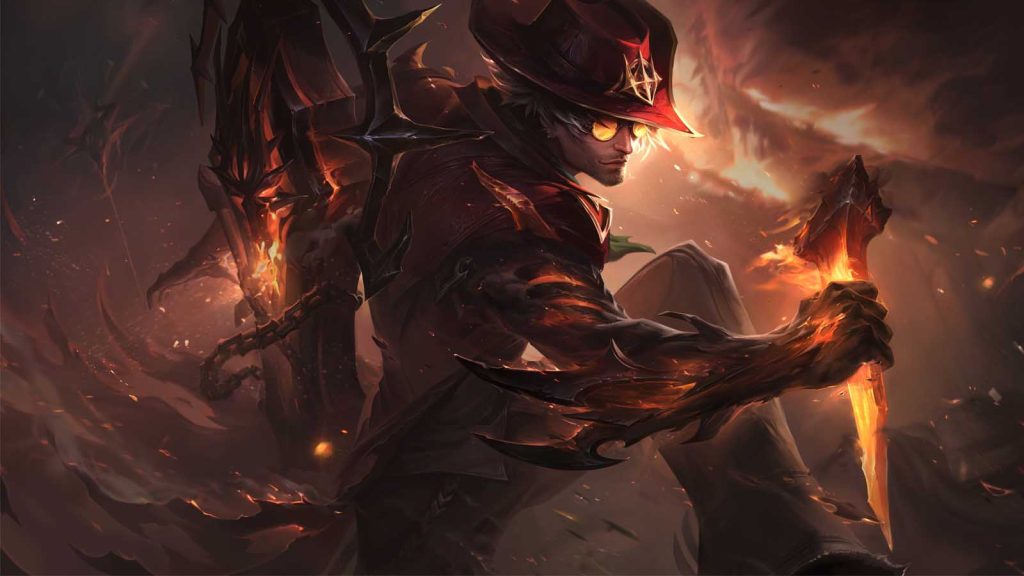
Assassin mains get a new toy in Locke, but for once, Riot is trying to make sure everyone else doesn’t instantly hate him for it.
In League of Legends, assassins usually translate to early hype, a week of highlight clips, then months of Reddit threads complaining about their burst damage that seems to have zero counterplay.
| PEEK BEHIND THE HANDSOME FACE Locke voice actor in League of Legends: English and Japanese cast revealed |
Assassins are some of the most exciting champions to watch and play, but they’re also the class most likely to send someone straight to the uninstall button.
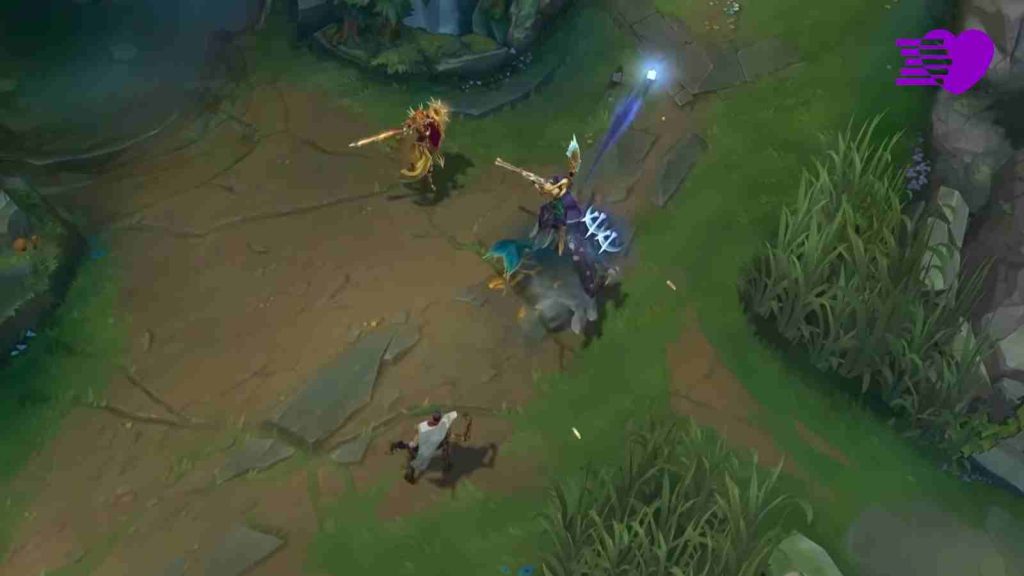
Locke is Riot’s attempt to thread that needle. On paper, he’s everything you’d expect from an assassin—high lethality, flashy all-ins, and the ability to completely take over a game if he’s ahead.
But under the hood, his kit is built around something assassins historically struggle with: being deadly and readable. This tension—between power and perceived fairness—is the core of his design.
Fanstanza learned more about Locke’s design during a media roundtable with League of Legends Game Designer Black Smith and Senior Game Product Manager Edward Zhao.
The classic League of Legends problem: Assassins are the ultimate “tilt class”

Assassins are designed to do one thing extremely well: delete priority targets before they can fight back.
But the same things that make assassins satisfying for the player piloting them make them miserable for the player on the receiving end.
Over the years, that has turned assassins into what you could call League’s “tilt class.” Even when they’re statistically balanced, they feel unfair.
Player sentiment—especially around ranked solo queue—has been clear: people are more willing to accept losing to a juggernaut that runs you down in front of your team than a shadow that appears, erases you, and vanishes.
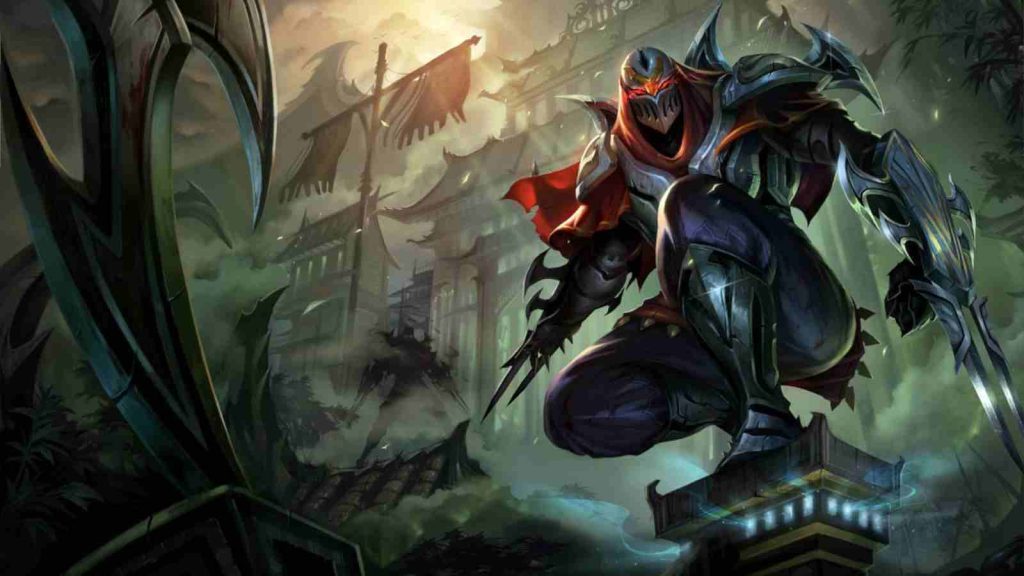
Riot has tried to address this in balance passes and mini-reworks, but Locke represents a stronger stance at the champion design level. Instead of tuning numbers around frustration, they’re baking the idea of counterplay into the champion’s core pattern.
Locke’s core pattern: Set-up vs. Cash-out
Locke isn’t designed to be a blur that appears, presses a single combo, and disappears. His gameplay revolves around a clear rhythm: set-up, commit, cash-out.
At a high level, his pattern looks like this:
- Stack and mark targets – Through his basic abilities, Locke interacts with enemies to set up a kill window. He isn’t at full power all the time; he has to do some work first, creating visible markers and states that signal his intent.
- Enter a high-risk window – Once the conditions are met, he flips into a heightened state where his damage spikes and his threat skyrockets—but so does his vulnerability.
- Cash out or die for it – If Locke survives that window, he cashes out with amplified damage, executes, or healing. If he misjudges or gets focused, he explodes before he can reap the rewards.
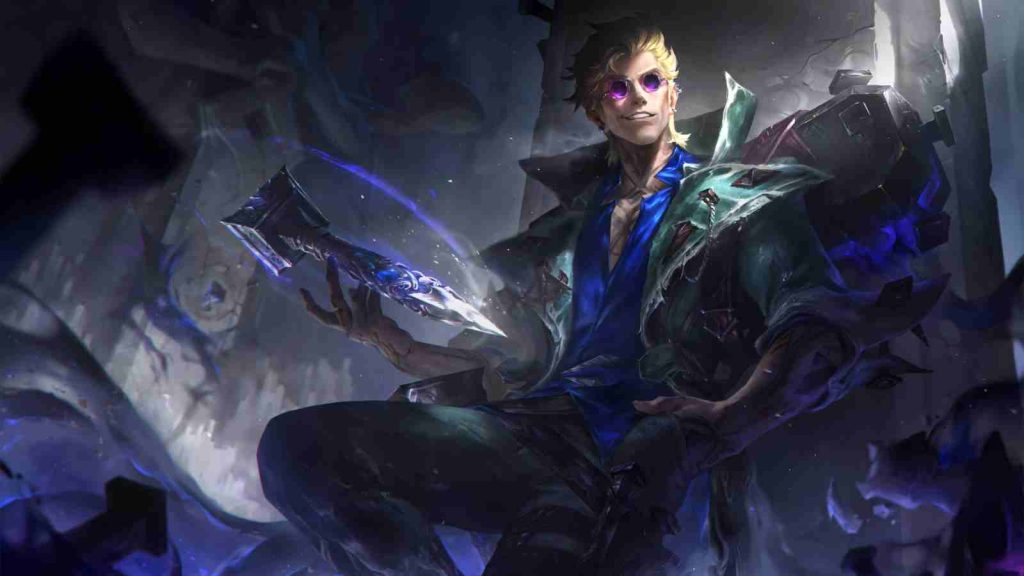
The key difference from older assassins is how telegraphed this window is.
When Locke is locked in, enemies are meant to know it. His model, animations, and visual effects shift into an unmistakable state that screams: I am dangerous right now.
On top of that, he has a stronger sense of commitment than many of his predecessors. Instead of stringing together a dozen dashes and invulnerabilities to coast through a fight, he has to walk into the danger, spend his own resources (including his HP), and trust that his calculation is right.
For spectators and opponents, that makes even his most explosive plays feel less like unavoidable ambushes and more like high-stakes gambles.
Locke is still high risk, high reward, albeit a little differently
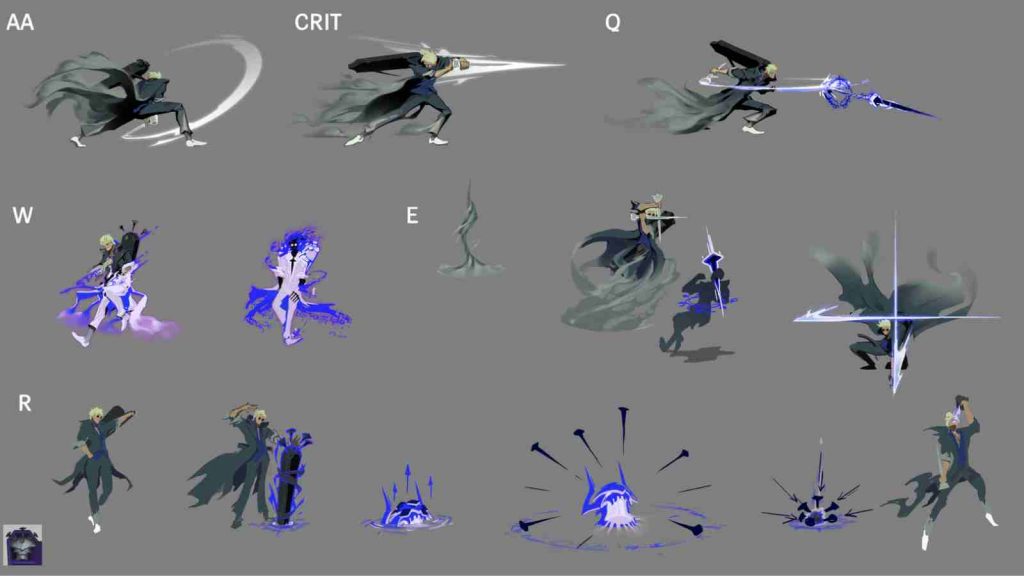
The heart of Locke’s identity is his self-damaging transformation—his “ignition” ability.
When Locke triggers this ability, he literally burns his own health to gain power where every second he stays in this state is a second he’s gambling with his life bar.
From a design perspective, this does several important things at once:
- Bakes risk directly into his damage: Instead of being rewarded with safety and burst, Locke is rewarded with burst only if he’s willing to stand on the edge of death. His most impactful moments happen at low HP, where a single misstep means instant punishment.
- Creates natural counterplay: Because he’s literally hurting himself, enemies don’t have to do as much work to put him into kill range. His HP thresholds are clearly visible and invite the kind of coordinated focus that feels earned: “He’s burning himself down—turn on him now.”
- Keeps “clip potential” without pure frustration: Riot clearly still wants Locke to generate highlight reels. But the path to those clips requires commitment and readability: you see him ignite, you see his HP drop, and then you see whether he pulls off the outplay or gets blown up.
A different kind of teamfight assassin
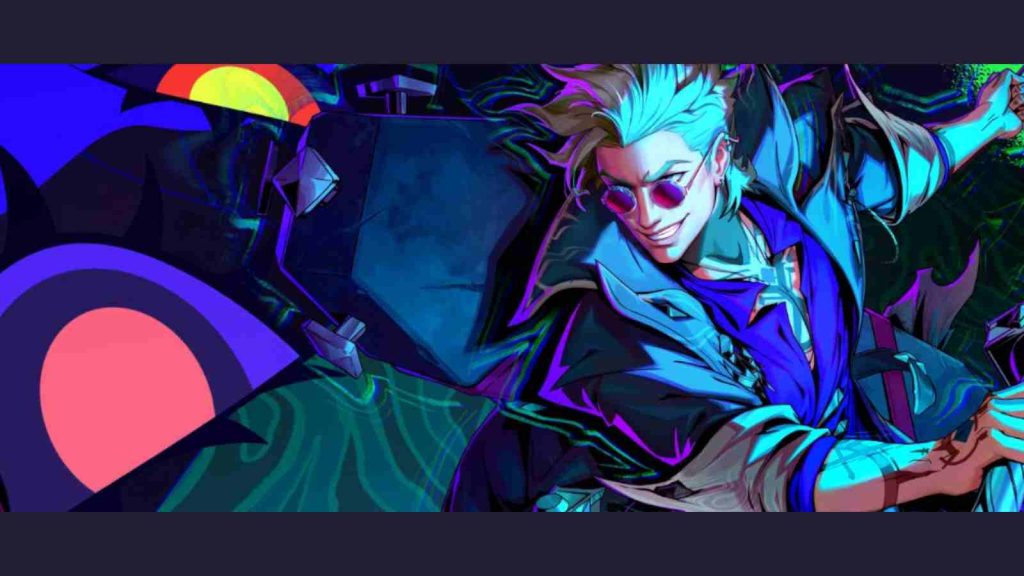
Traditional League assassins thrive on isolated picks, hunting out-of-position targets from the fog before escaping or trading their life. In teamfights, they often play separately from the main front-to-back battle, searching for flank opportunities instead.
Locke pushes that paradigm closer to the center of the fight.
Instead of being purely a single-target execution specialist, Locke’s kit leans into multi-target impact—things like chained executions, zone threat, or area damage that rewards him for diving in with his team rather than solo-queuing the backline.
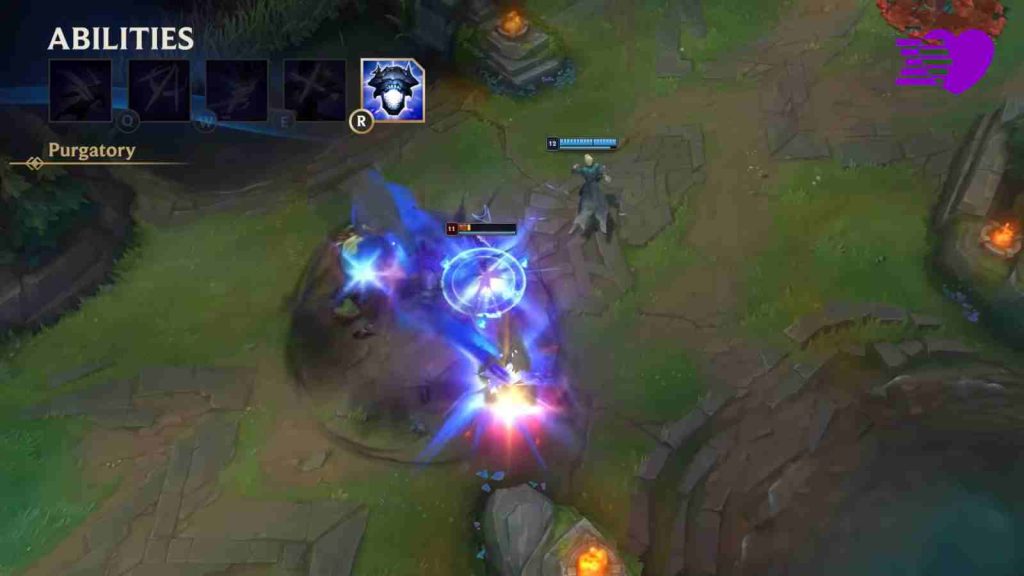
This has a few knock-on effects:
- Fights become more readable for viewers: You can see when Locke is about to explode a cluster of champions.
- Team coordination matters more than pure flank timing: Your support peeling or your jungler diving with you can make or break your ignition window.
- Enemies have more agency: Instead of being punished for one misstep alone in river, they’re making conscious decisions about whether to stand near a burning Locke, peel off, or blow cooldowns to shut him down.
- He’s still an assassin—he’s there to kill priority targets—but he’s an assassin that fits more naturally into 5v5 setups and objective fights, not just solo side missions.
What Locke could mean for future assassin designs
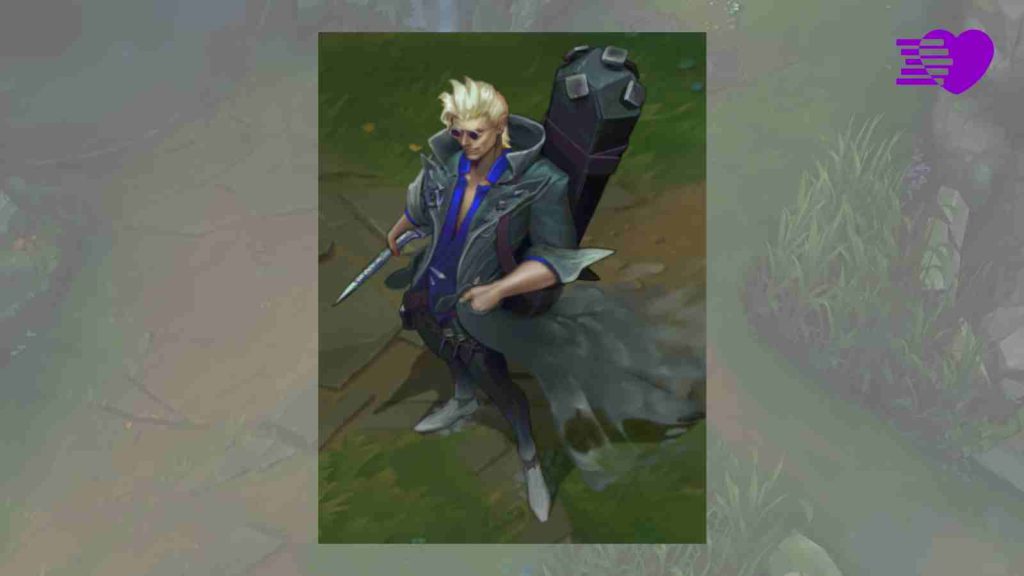
Locke feels less like a one-off champion and more like a glimpse of League of Legends‘ direction for assassins.
If players respond well to his design, he could become a blueprint for a new generation of assassins built around clearer strengths and weaknesses.
For years, assassin balance has swung between two extremes: oppressive when strong and ineffective when weak. Locke represents Riot’s attempt to find a middle ground.
If the experiment succeeds, he may mark a turning point in how Riot approaches the assassin class going forward.