Updated on March 25, 2026 at 10:17pm: Added additional workout information from Lloyd Naicker’s Instagram.
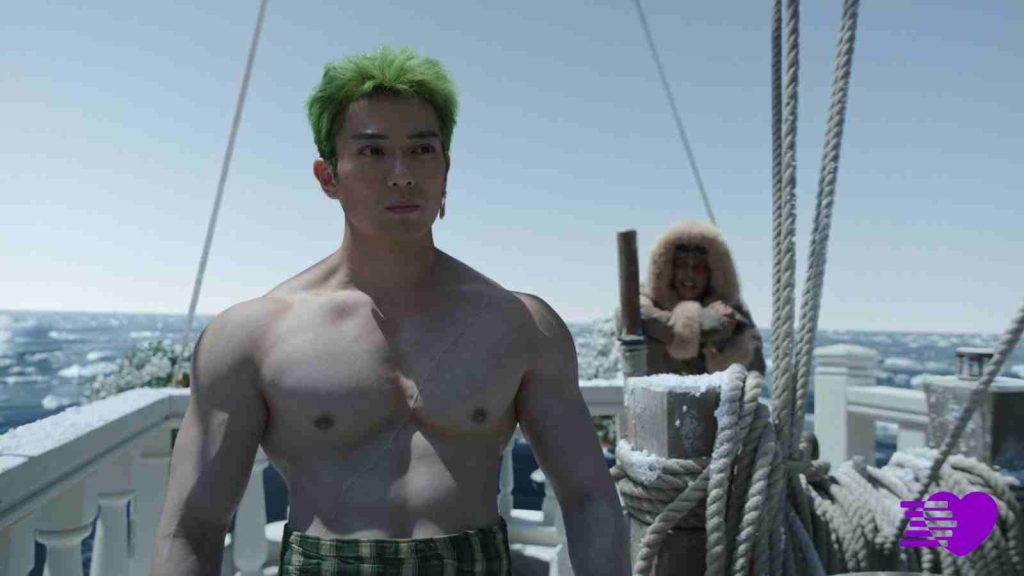
No matter how much water there is in the Grand Line, it simply cannot quench our thirst. Roronoa Zoro’s body in One Piece live-action Season 2 Episode 6, “Nami Deerest,” is turning all kinds of heads in all sorts of places.
Portrayed by Japanese actor Mackenyu Arata, the actor’s powerful, athletic build this season was given its share of screentime in the most unlikely scene — in ice-frozen waters on the Going Merry. After the crew wrapped up the events on Little Garden, they’re now making their way to Alabasta to continue their main quest.
| YOUR OPLA QUESTIONS, ANSWERED Who saved Luffy from Smoker in Loguetown? OPLA Season 2’s most mysterious character One Piece live-action Season 2 ending explained: How it sets up Alabasta |
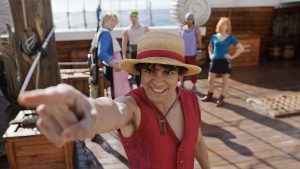
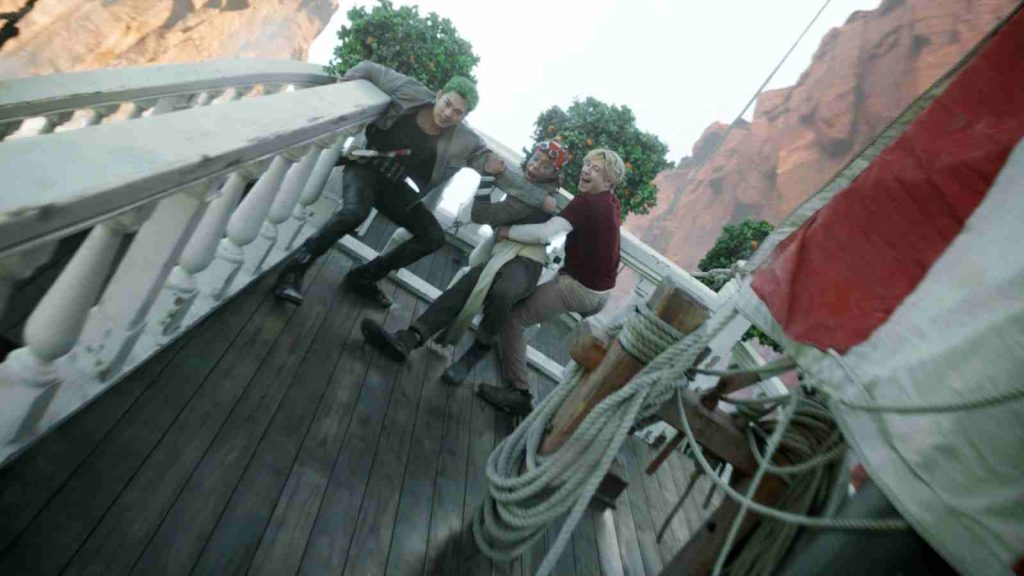
Everyone else on the ship was layered in fur while Zoro stood on the deck in all his muscular glory. Unfortunately for keen-eyed viewers, Usopp cuts our meal short. “Everyone else is wearing a shirt,” he remarks.
Annoyed, Zoro compiles and puts on a singlet. “If you insist,” he says.

The amount of screentime dedicated to Mackenyu’s physique is completely disproportional to the amount of time and effort the actor had put in to achieve such sculptured art — art that the masses want to eat up.
Naturally, such a transformation wasn’t just the result of standard gym sessions—it came from months of intense preparation guided by his trainer, Lloyd Naicker.
| SINCE YOU CAN’T GET ENOUGH OF ONE PIECE Where to read One Piece manga online — all official sources |
Naicker recently shared details about the demanding routine that helped Mackenyu achieve Zoro’s swordsman physique, revealing just how much work went on behind the scenes.
To get Zoro’s body, you’ll have to undergo a brutal training schedule
According to Naicker, Mackenyu trained seven days a week, with sessions lasting around three hours each.
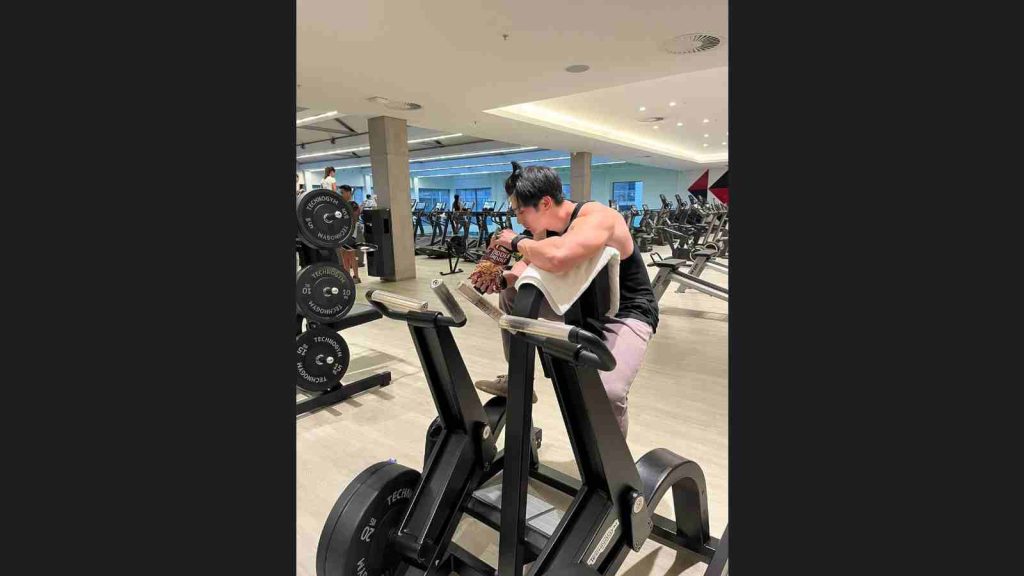
His preparation followed a strict nutrition plan designed by the trainer’s team, with carefully controlled calories to build muscle while keeping body fat low.
In fact, Naicker said he sometimes had to force Mackenyu to take a weekly cheat meal, because the actor was so disciplined with his diet.
The dedication went even further during filming. Some training sessions happened immediately after overnight shoots, with the pair heading to the gym as late as 2am at MyGym Cape Town.
“He is easily one of the most dedicated clients I’ve ever worked with and put everything into getting ready for his role,” Naicker wrote.
It’s equally important to fuel your training

Naicker stresses that building a physique like Zoro’s requires more than just lifting weights. Nutrition plays a crucial role before, during, and after every workout.
Pre-workout meals prepare the body for intense physical effort, while nutrition during the session helps maintain energy levels. Afterward, post-workout meals are designed to support recovery and muscle repair.
He compares the body to a high-performance machine—without the right fuel, it simply won’t run properly. Alongside nutrition, recovery practices such as stretching, foam rolling, sauna sessions, and massage are also part of maintaining peak performance.
The method that delivered results, at least for Mackenyu
During Mackenyu’s preparation, Naicker experimented with multiple training techniques, including drop sets and supersets.
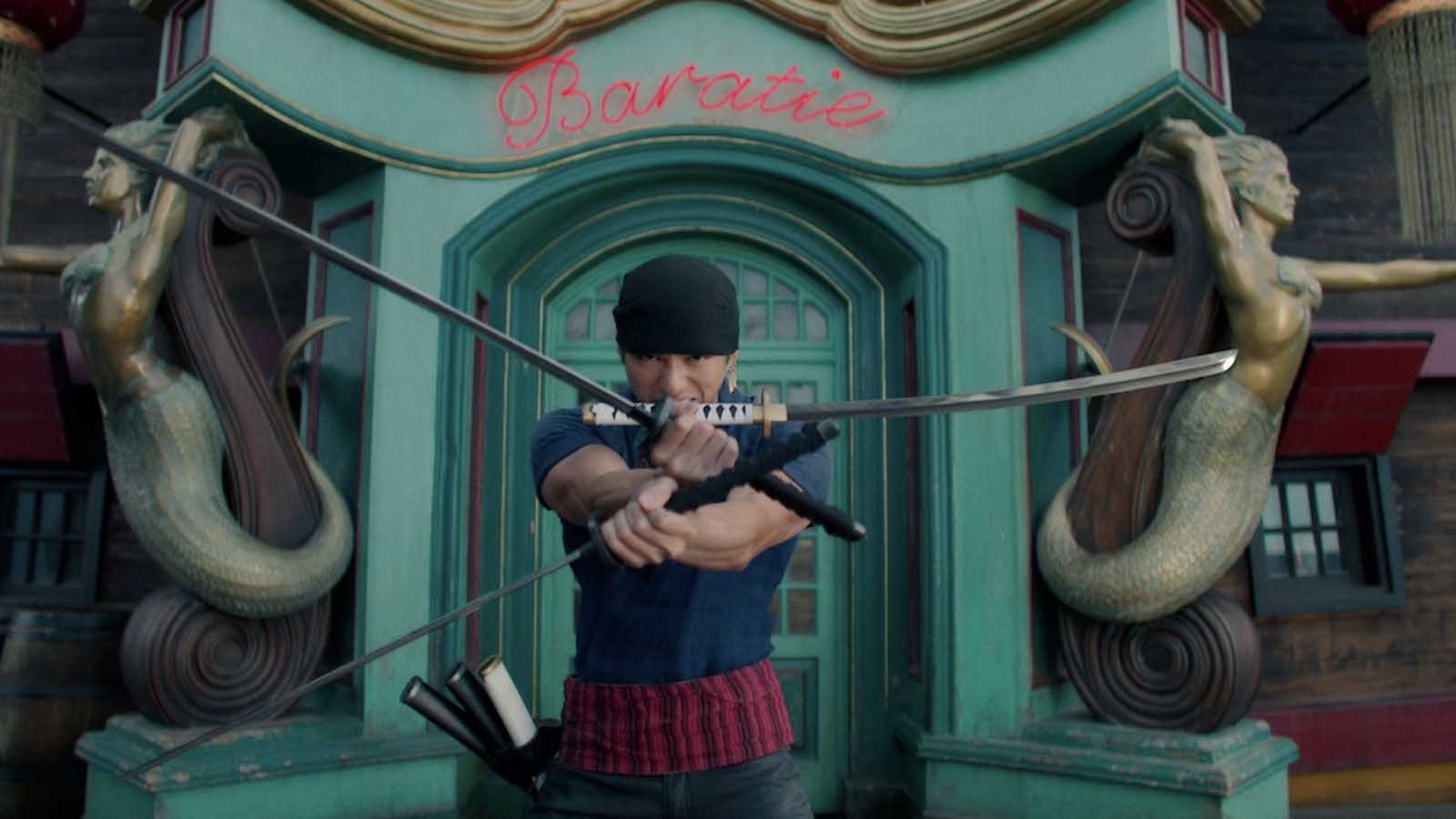
However, the method that produced the best results was rest-pause training, a high-intensity technique designed to push muscles beyond normal fatigue.
The training structure typically looked like this:
- Perform max reps (around 15–17)
- Rest for 20 seconds
- Perform another max effort set (usually 5–8 reps) with strict form
- Take a 2-minute recovery break
| FIGHT US ON THIS LIST The 5 best One Piece arcs that will make you ugly cry (in the best way) |
Another variation used during training:
- Perform 10 reps
- Rest 15–20 seconds
- Perform maximum reps again (usually 5–6)
Day 1 – Chest
For chest development, Naicker focused heavily on incline pressing angles to build the upper chest and create the kind of muscular definition that stands out on camera.
30° Incline Dumbbell Press
- Targets the mid-to-upper chest.
45° Incline Dumbbell Press
- Focuses on the upper chest.
- Helps create separation and thickness near the collarbone.
Flat Smith Press
- Works the entire chest.
- Allows a deeper range of motion for overall thickness.
| CAN YOU SOLVE THE GREATEST MYSTERY? The biggest One Piece spoiler is sitting under 600 tons of water pressure |
15° Fly (not too wide)
- Helps build the inner chest.
- Constant tension must be maintained throughout the movement.
Before filming shirtless scenes, Mackenyu typically performed:
- 2–3 warm-up sets for each exercise
- 4 working sets per movement
Naicker emphasized that safety remained a top priority, especially since Mackenyu performs his own stunts in the show.
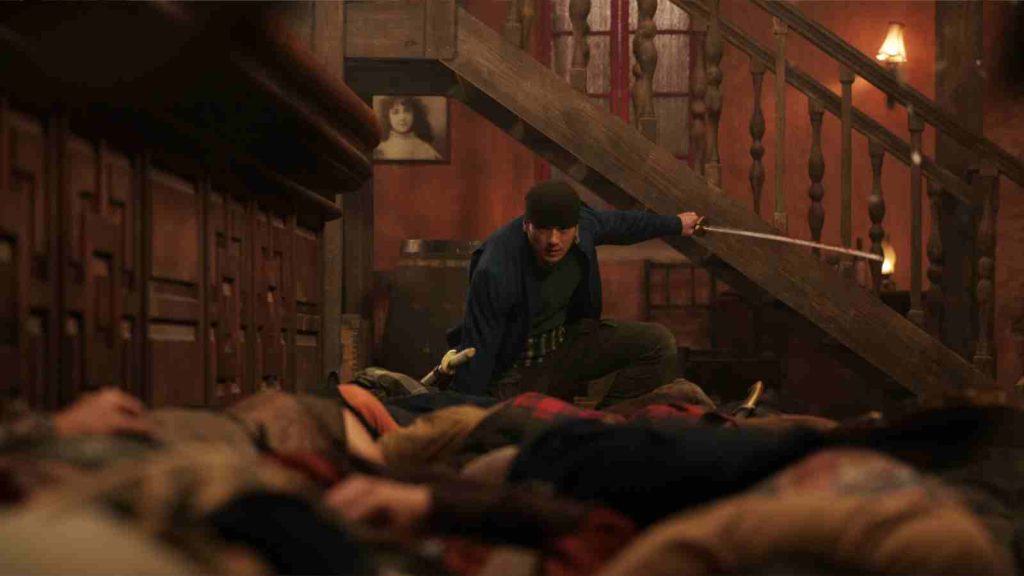
To further isolate the chest muscles, Naicker incorporated several accessory movements.
High Cable Flys (pressing downward)
- Targets the side and lower chest.
- Uses slow, controlled tension rather than explosive movement.
Weighted Dips
- Requires strict form.
- Avoid locking elbows at the top or resting at the bottom.
- Designed to maintain tension throughout the movement.
Calves Training
For calf development, Naicker relied heavily on the horizontal leg press, using multiple foot placements to target different parts of the muscle.
Inner Calf Focus (pressure on the big toe)
- 10 reps left
- 10 reps right
- 10-second rest
- Both feet: 10–12 reps
Outer Calf Focus (pressure on the little toes)
- Same structure as the inner calf routine
- Focuses on the outer calf muscles
Full Calf Activation
- Single leg: 10 reps each side
- Both feet: hold at the top for 5 seconds, then perform 10 reps
Naicker noted that slow, controlled isolation and constant tension are essential for calf development.
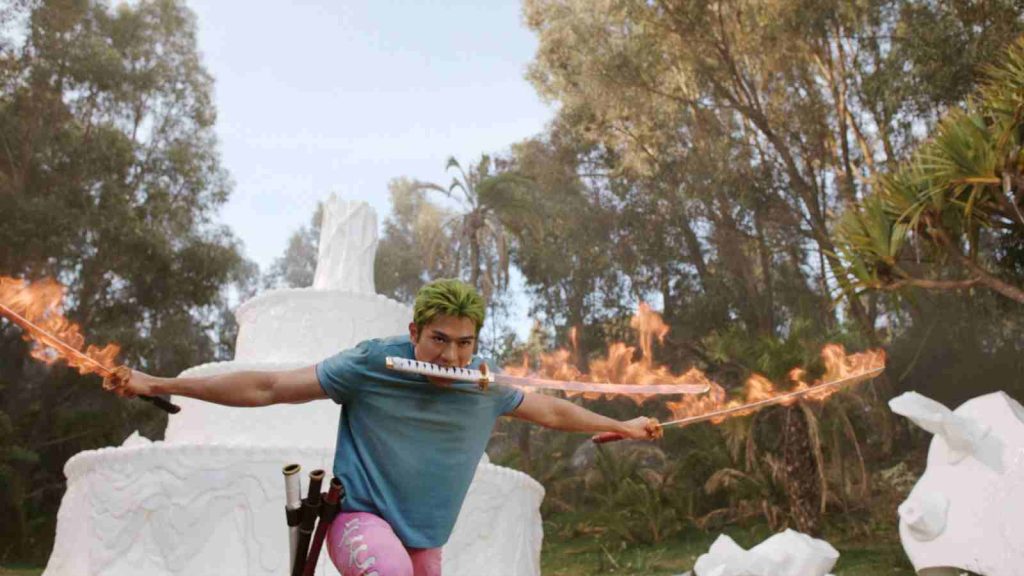
Core Work
Core training also played a role in maintaining stability and strength for fight choreography.
Bosu Sit-Ups
- Focus on proper ab activation
- Finger placement can be used to increase tension and improve muscle engagement
Alternating Sit-Ups
- Working both sides of the core
Leg raises with 2-4kg dumbbell between feet
- Tension is key: once you lose tension, the exercise loses its effectiveness
The demanding routine was only possible because of Mackenyu’s commitment to the role. The actor even praised Naicker publicly.
“Wakes up at 3am to train me from 4am every single morning. Couldn’t have done it without Lloyd. Super lucky to have you as my trainer,” Mackenyu replied on Instagram.
Day 2 – Back
Naicker explained that they would usually start with stretching to open and elongate the lats while increasing blood flow.
They also loosened the upper shoulders and traps to improve mobility and reduce shoulder dominance during the workout. This is followed by band work to warm up the shoulder capsules and rear deltoids.
He emphasized that the rear deltoids play a major role in stretching and stabilization and must be properly warmed up and kept mobile.
According to Naicker, “If you skip this step, you can develop fiber knots near the tendons of the lats and rear deltoids.” He stressed that mobility before lat training is essential.
Lat Pulldown (Plate Loaded)
“Sounds simple, but form is everything,” Naicker said. He advised that at full extension, lats should stay slightly contracted and never just hang from the bar.
He cautioned that many people ego train by exploding down and using their biceps, which results in zero real work on the lats.
Maintain tension at the top, then pull down in a slow, controlled movement. At the bottom, one should squeeze the lower lats until a complete contraction is felt, then release slowly.
He emphasized smooth movement—“no jerking and no pausing during the set.” He also noted, “Never squeeze the handles. Your grip should act like hooks, otherwise your forearms will fail before your lats.”
Seated Row (Plate Loaded – Closed Hammer Grip)

The seat should be positioned so that the handles line up with mid-lats at the bottom of the movement.
As the handles come up, the exercise targets more of the upper lats. He added that hand placement should be slightly below midway, holding the handles without squeezing.
He recommended applying the same principles as the lat pulldown: keep tension on the muscle throughout, drive elbows as far back as possible at full contraction, and release slowly under control.
Reverse Straight Handle Grip Seated Row (Same Machine)
The same principle applies, but arms should not be fully extended to avoid biceps taking over the movement.
He noted that this exercise helps thicken the lower lats and build the “Christmas tree” look.
Bent Over Barbell Row
Naicker advised using a weight belt for stability and safety by bracing the midsection to focus on loading the lats properly.
Keep your gaze slightly up to avoid rounding forward and unnecessary pressure on the lower back.
The grip should not be wider than shoulder width to prevent biceps and rear delts from dominating.
He advised never hang on the bar—keep tension in the lats at the bottom, pull the bar toward the belly button, squeeze the lats, and release slowly under control.
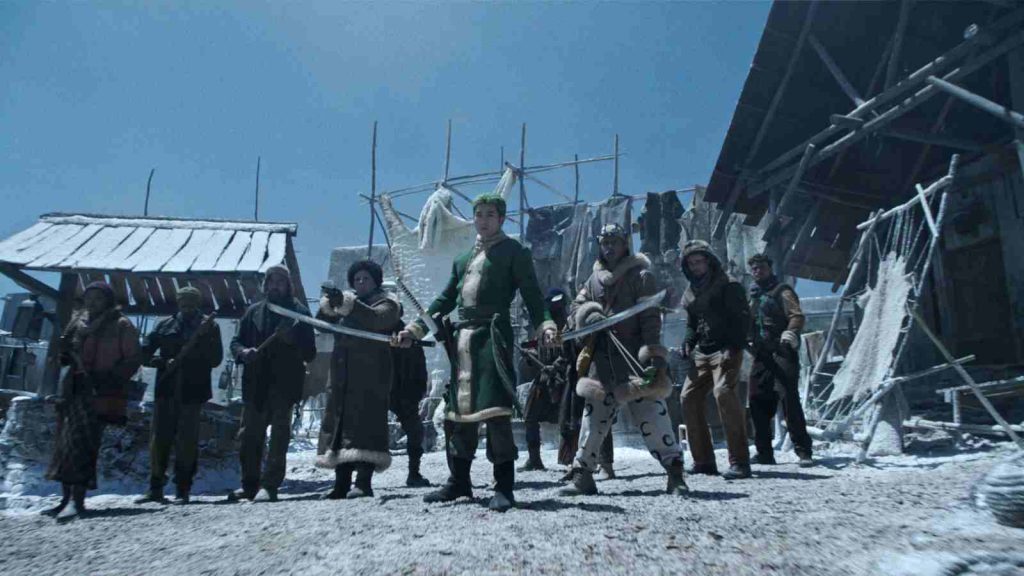
Single Dumbbell Row
Look forward to keep the body and back level and prevent excessive arching. When pulling, the elbow should stay close to the body and away from the shoulders to avoid overworking the rotator cuff and creating shoulder issues.
The weight should be lowered slowly while keeping the lat contracted the entire time, and the muscle should never fully relax during the set.
Close-Grip V Handle Lat Pulldown
His preference is to perform this with knees on the floor behind the seat. Naicker noted that this variation builds great thickness in the mid to upper lats.
Apply the same principles as other movements: controlled motion, constant tension, and strong contractions.
Low Row
Because the gym they trained at didn’t have a low row machine, they created a setup using the bottom pulley of the tricep push-down cable machine.
An angled step was used to sit on, with two dumbbells on either side for foot placement, and a V-handle attachment was added.
The same principle of control applies—constant tension on the lats, never letting the weight rest on the arms at full extension, and keeping the movement controlled and focused on the muscle.
When pulling the handle in to full contraction, bring it slightly above your belly button. This ensures the tension stays on the middle and upper lats while placing zero pressure on the lower back.
Naicker said this exercise works great as a finisher to pump and burn out the lats, adding excellent thickness to the mid and upper back.
Forearms
Wrist Curls
Sit on a bench with your arms positioned between your knees. Start with 10 finger curls, then go straight into 12 full wrist curl reps without resting.
After that, perform behind-the-back wrist curls until burnout — usually around 8–12 reps.
Reverse Wrist Curls
Be careful with this exercise because no one wants tennis elbow. Perform standing reverse wrist curls. When you reach midway, rotate your wrist fully to the top position.
As you lower the weight, rotate the wrist slowly all the way down.
Without resting, sit down and perform short-range reverse wrist curls to finish the set.
“Do you come to the gym to exercise… or to train? Training means giving everything the moment you walk through those doors. And that’s exactly what Mackenyu did,” Naicker wrote.
Could Zoro’s body get even bigger for One Piece live-action Season 3?
Despite the impressive transformation already seen on screen, Naicker hinted that the training process isn’t finished yet.
With more preparation planned for future seasons of the One Piece, fans may see an even more formidable version of Zoro when the story continues.
And if Mackenyu’s dedication so far is any indication, the swordsman’s next appearance could be even more intense.
First published March 14, 2026 at 11:55am.