From the creators of Genshin Impact and Honkai Star Rail comes Petit Planet, a cozy life simulation game that promises a completely different kind of HoYoverse experience—one with no combat, no gacha pulls, and no world-ending plot.
Just you, a tiny floating planet, and the simple joy of making it bloom. But does it actually deliver on that promise? This Petit Planet review breaks it all down.
| GET AHEAD OF THE GAME How to make Dough in Petit Planet: 7 ways to get rich quickly |
Right off the bat, I have to say, Petit Planet is not what longtime HoYoverse fans might expect.
The video game company built its reputation on action RPGs, deep lore, and some of the most demanding combat systems in the gacha space. Can a developer famous for the gacha grind successfully pivot to a genre where the primary goal is to simply exist and relax?
In this Petit Planet review, we’ll dive into whether this game captures the magic of the cozy genre—or if it’s just a polished distraction from your daily commissions.
What is Petit Planet?
Petit Planet is a life simulation game developed and published by HoYoverse, their very first title within the genre.
| ANOTHER GAME TO OBSESS OVER Neverness to Everness roll guide: How to maximize all your pulls |
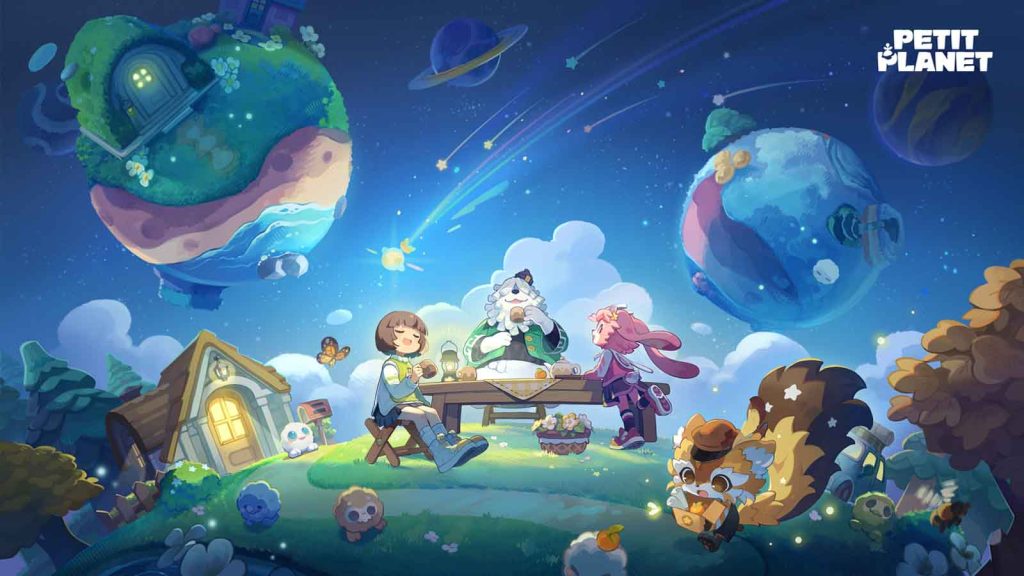
Announced at Tokyo Game Show in September 2025, players take on the role of a caretaker known as Planet Tender tasked with nurturing a tiny floating world.
The core Petit Planet gameplay centers on a blend of personal planetary management, relationship building with Neighbors, and community exploration.
The game held its first closed beta in November 2025 to test its core systems and a second beta test in April 2026. Petit Planet is confirmed for release on PC and mobile, with additional platforms in development.
On paper, this cozy life sim from HoYoverse sounds like it was built for two very specific types of players. And as it happens, I am both of them.
My daily routine is usually dictated by the gacha grind. I religiously explore regions in Genshin Impact, clear Memory of Chaos in Honkai Star Rail, and pull gorgeous 5-star and 4-star characters in between.
And long before I felt the pain of losing 50-50, I was a kid hunched over a Nintendo DS Lite, completely absorbed in Animal Crossing: Wild World.
I logged easily over 100 hours into that tiny cartridge, making sure my town didn’t have any weeds, paying off a mortgage to a certain enterprising raccoon, and talking to the same villagers day after day like they were real friends. That game shaped what I look for in a relaxing experience.
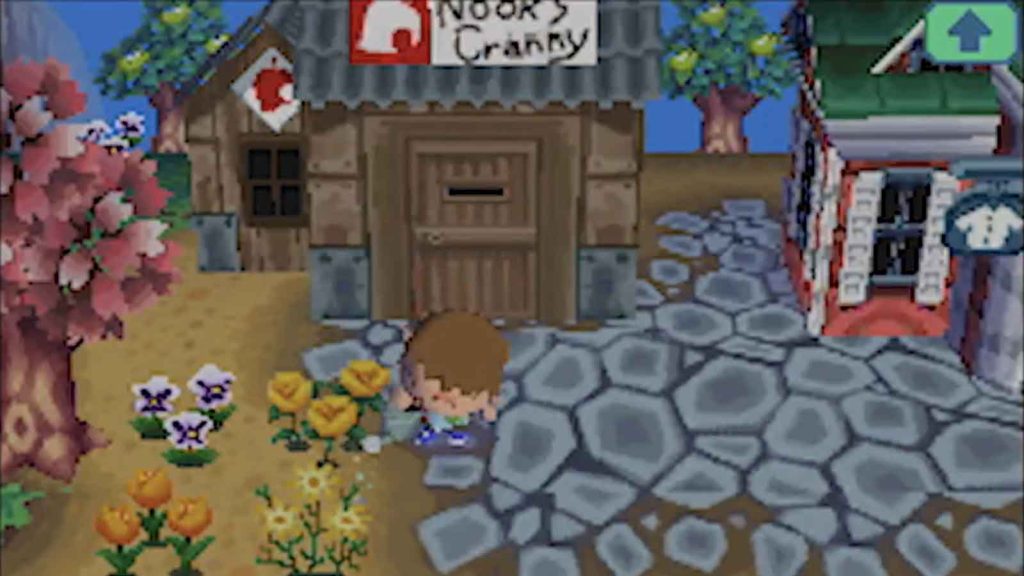
When Petit Planet landed on my radar, it felt almost like it was made for me. I knew exactly what a great cozy game should feel like, and I knew exactly what HoYoverse was capable of delivering.
The question was whether those two things could actually exist in the same game, and this Petit Planet review is here to provide an answer.
How Petit Planet stands out from other HoYoverse titles
HoYoverse built its reputation on spectacle. Genshin Impact dazzles you with open worlds, elemental combat, and a story that spans regions and gods. Honkai Star Rail takes you across the universe on a train, pitting you against cosmic threats in battles that demand strategic thinking. Zenless Zone Zero puts you in a stylish urban underworld and asks you to fight your way through it with flair.
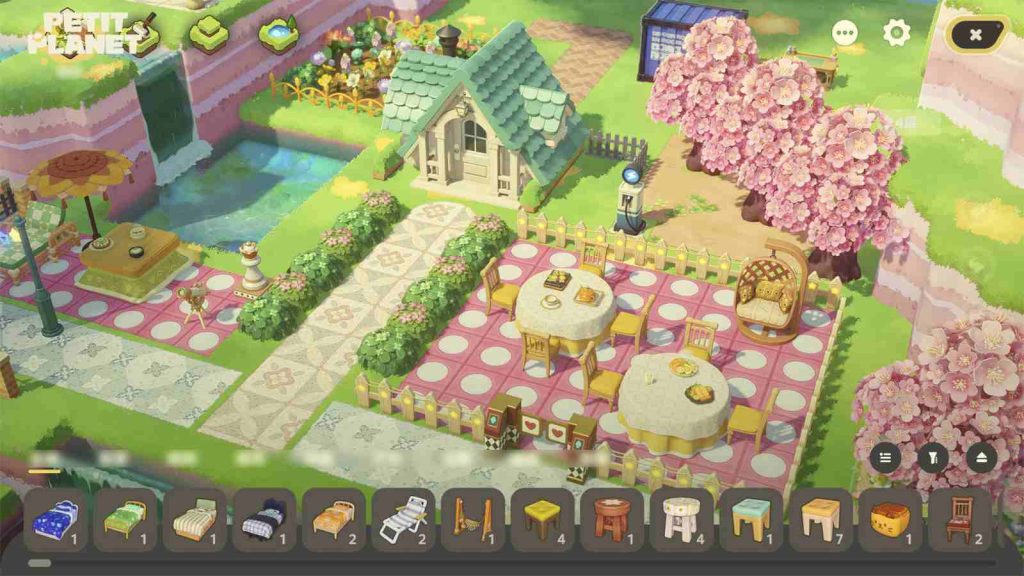
Every single one of these games is built around a conflict, an enemy, a challenge to overcome. That is the HoYoverse formula, and it works extraordinarily well.
Petit Planet has none of that. There is no villain on your planet, no Archon to team up with, no Hollow to clear, no stars to save. The closest thing to conflict you will find here is a Neighbor who wants a specific crop you have not grown yet.
The game does not ask you to be powerful. It does not ask you to build the perfect team or master a rotation. It simply asks you to show up and take care of something.
Then, there is the gacha game pressure, a trademark of HoYoverse’s other titles that is essential to the gaming experience. You already know the drill — log in, burn your resin or stamina, clear your dailies before reset, and do not dare miss a limited-time event.
There is always something expiring. There is always a banner counting down while your Primogems sit at an uncomfortable number. Even on a light day in Genshin Impact or Honkai Star Rail, the structure has a way of making you feel like you are perpetually behind.
Petit Planet simply does not operate that way. Tasks exist, dailies exist, and there is plenty to do, but none of it feels like it is punishing you for logging off. The game feels absolutely comfortable at the pace you choose to play, which is something HoYoverse has never really built before.
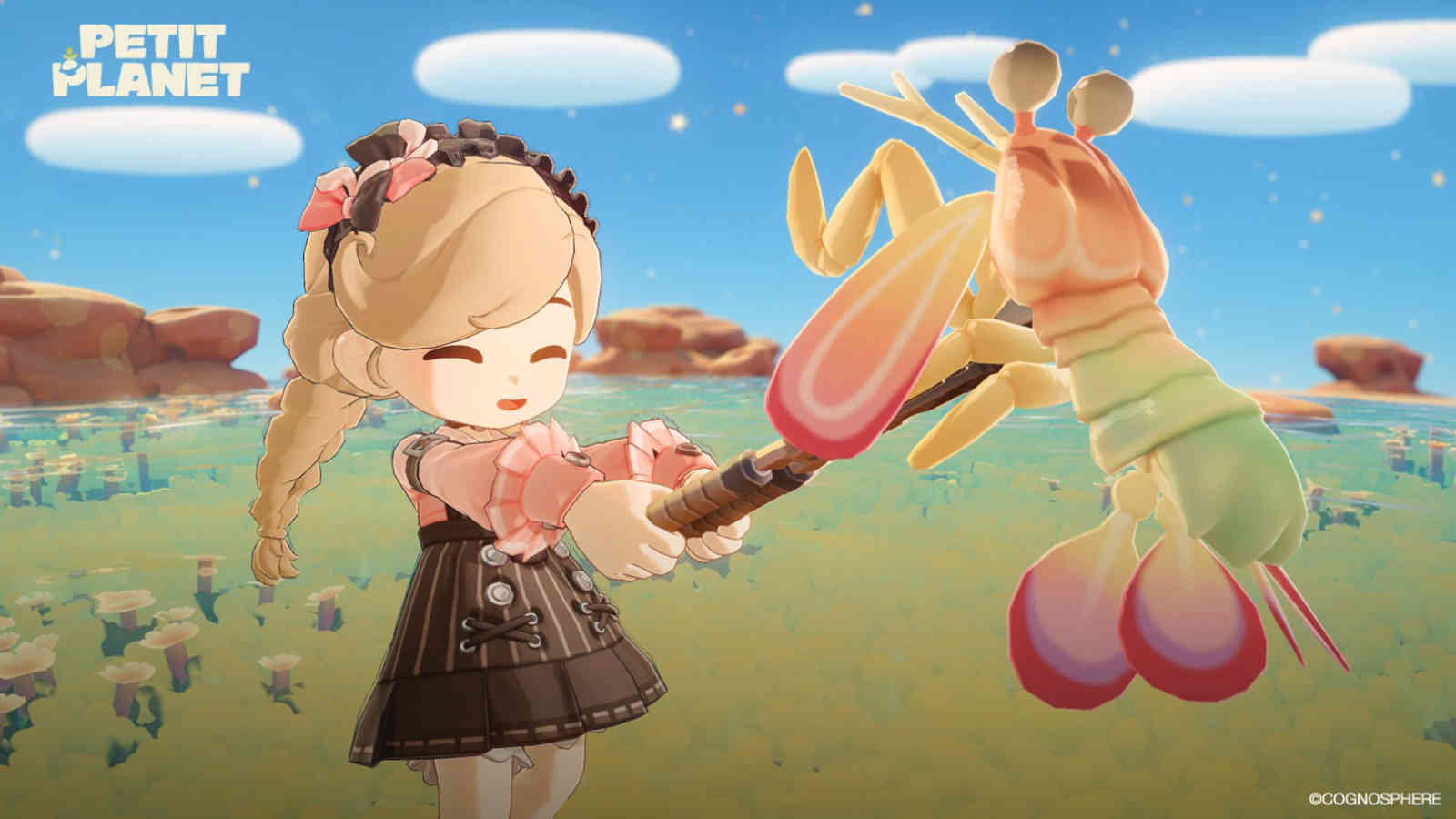
That said, if you look closely enough, the HoYoverse DNA is still very much in there, just tucked into systems you might not notice at first.
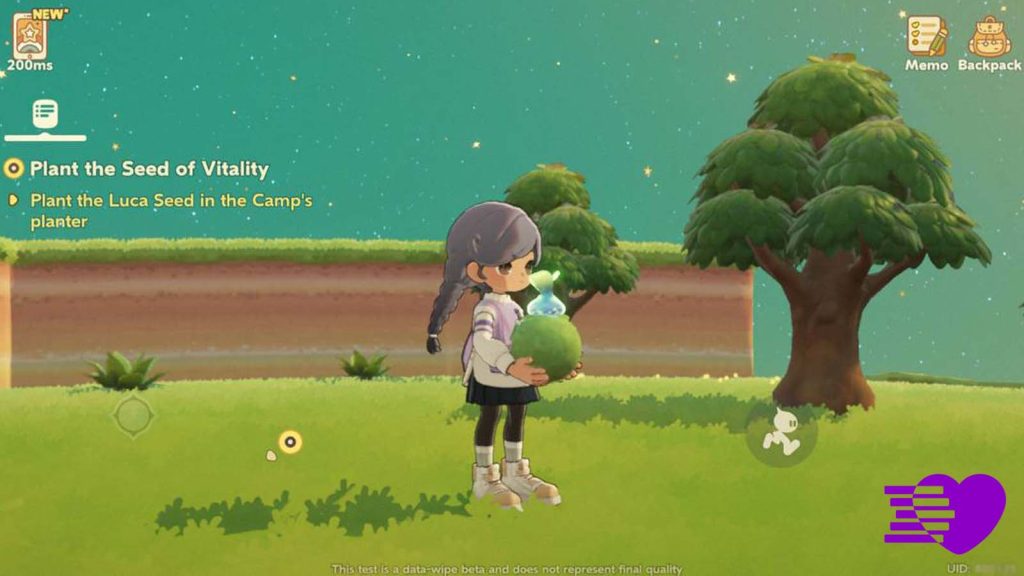
At the heart of your planet, the Luca Tree draws an almost immediate comparison to the regional trees of Teyvat in Genshin Impact, both acting as living markers of your progress and bond with the world around you.
Neighbor Constellations feel familiar to anyone who has ever unlocked Eidolons in Honkai Star Rail or Constellations in Genshin. Loomix Footprints’ Daily section serves as Petit Planet’s version of daily commissions, small tasks that give you a reason to log in and putter around each day.
In short, HoYoverse did not abandon what it knows. It just stripped away the urgency and allowed space for the systems to breathe.
Petit Planet review: Surprisingly, it works
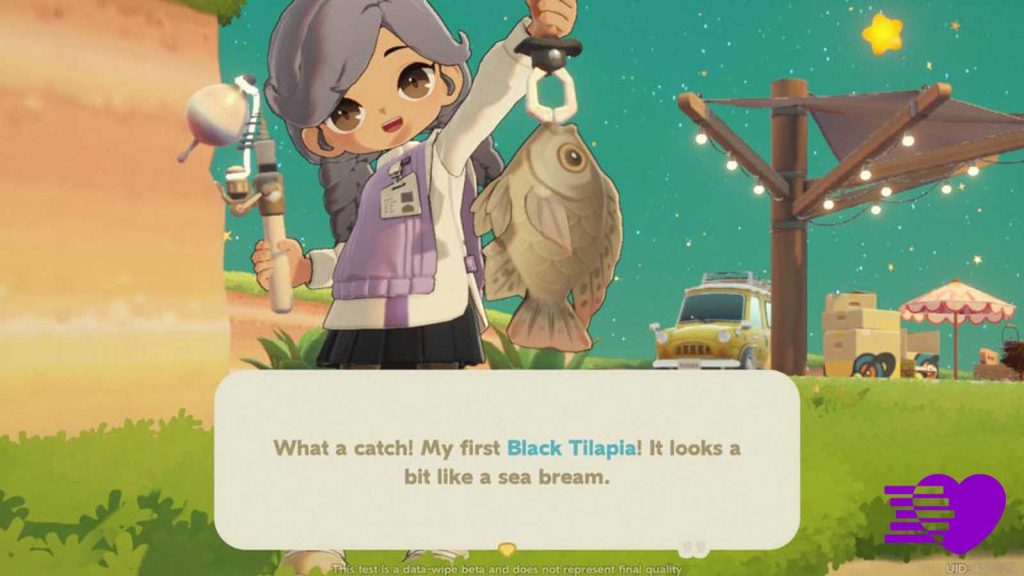
Let me be honest with you: the first hour of Petit Planet feels like a lot.
World-building concepts are thrown at you one after another, tutorials stack on top of each other, and your to-do list grows faster than you can clear it.
Even coming in as someone familiar with both Animal Crossing and HoYoverse games, I felt overwhelmed. If you go in expecting to immediately kick back and relax, the opening stretch will catch you off guard.
But push through it, because once the rhythm clicks, Petit Planet becomes something lovely to sit inside.
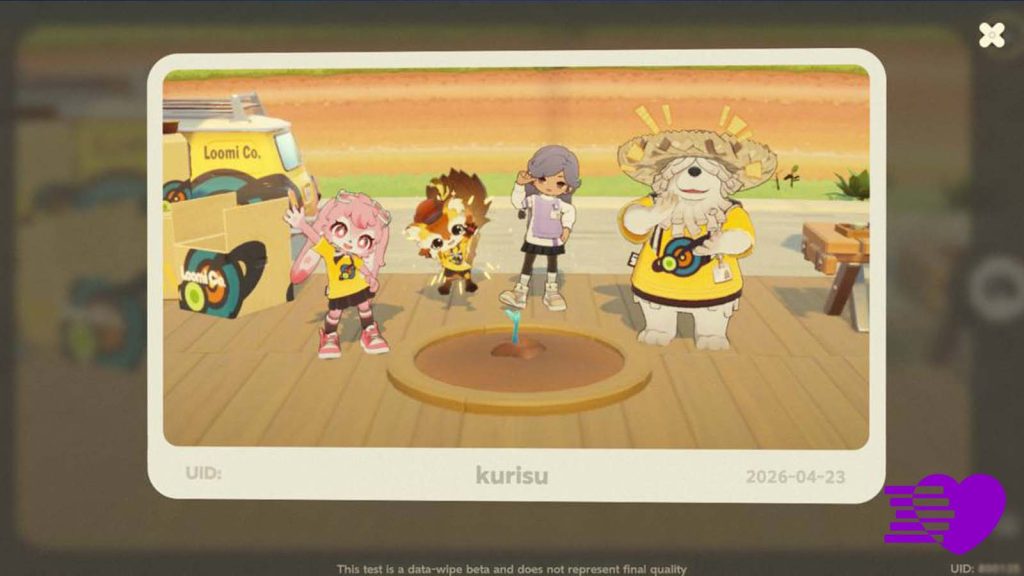
The core gameplay loop will feel immediately familiar to any Animal Crossing player. You collect resources, upgrade your home, fulfill your Neighbors’ requests, and earn enough Dough to keep customizing your space. That foundation is inspired almost directly from the Animal Crossing formula. What HoYoverse adds on top of that, though, is where things get interesting.
You are actively growing your Neighbors’ needs, deepening bonds, and unlocking new sides to their personalities over time. Beyond your Neighbors, there is the Luca Tree to tend to, your planet’s overall ecosystem to shape, and islets to explore for resources you cannot find at home.
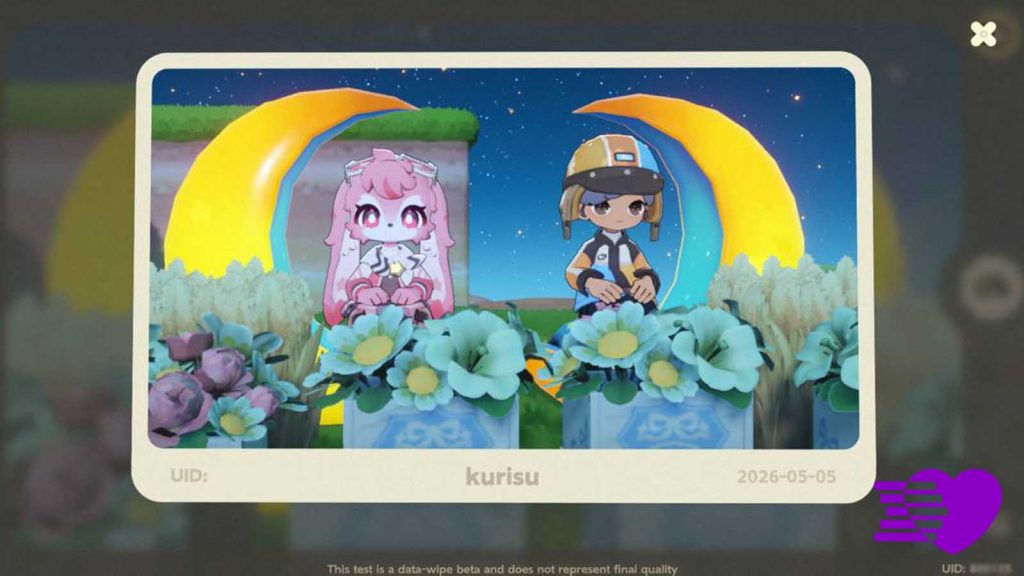
The customization deserves its own mention because it goes further than I expected. Beyond decorating your home and dressing your character, you can reshape the planet itself using Luca Fruits, a detail that gives Petit Planet a sense of personal ownership. You can even decide where to place your bridges, giving you control over how your planet is laid out and how it flows.
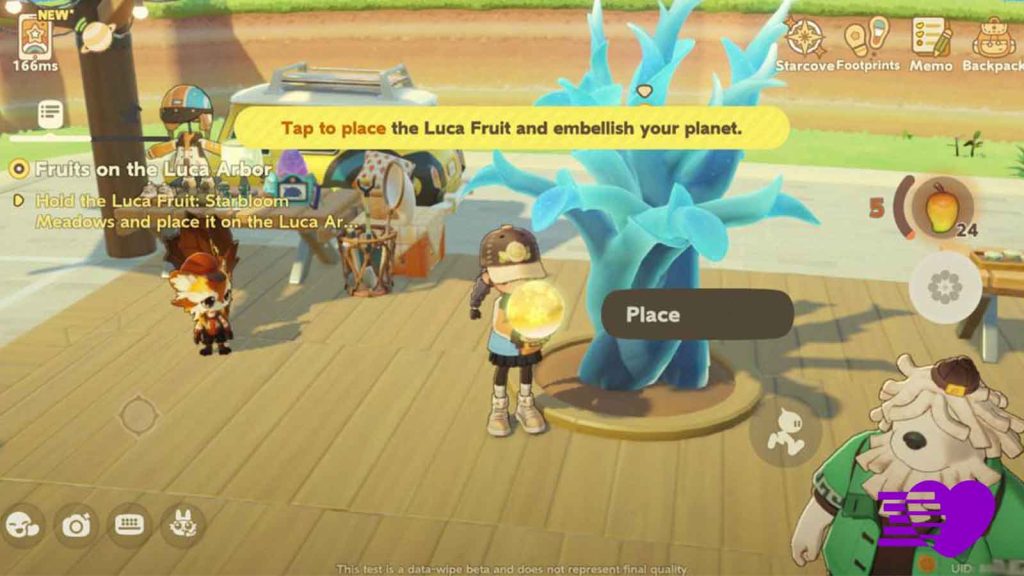
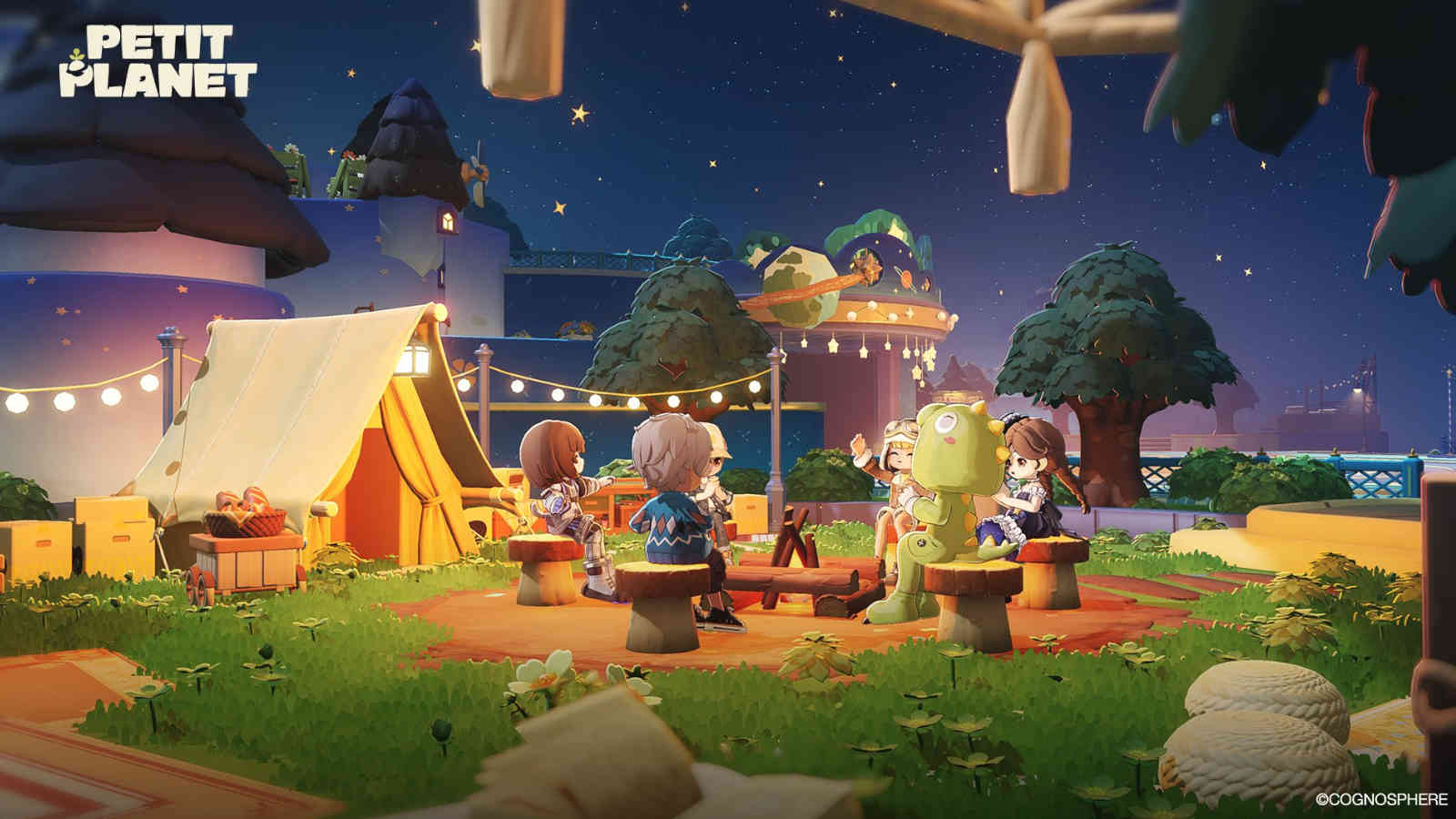
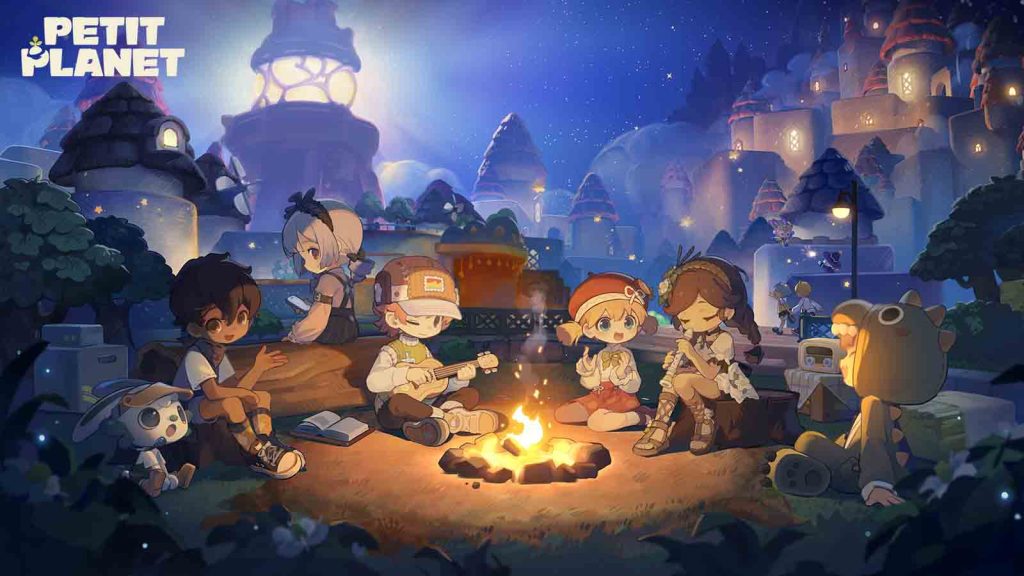
Aesthetically, Petit Planet is doing everything right. The character designs are charming, the visuals are warm and inviting, and the soundtrack is the kind of mellow, dreamy background music that cozy games live and die by.
The presence of voice acting was an adjustment, since I come from the gibberish of Animal Crossing’s Animalese, but it holds up well and adds personality to each Neighbor in a way that text alone could not carry.
HoYoverse has never made a bad-looking game, and Petit Planet is no exception. What genuinely surprised me, though, was not the visuals but its heart. It is there in the characters, in the systems, in the way the game is completely unbothered by your pace. It does not reinvent the cozy life sim, but it earns its place in it.
For the Animal Crossing kid who grew up on a DS Lite and the HoYoverse player who has not slowed down in years, Petit Planet felt like a reminder that games are allowed to just be nice.
If you have been on the fence about trying it, consider this your sign—your planet is waiting.