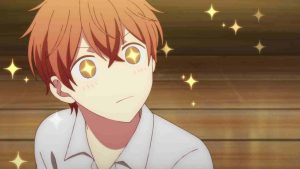
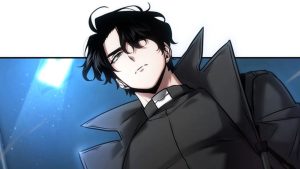
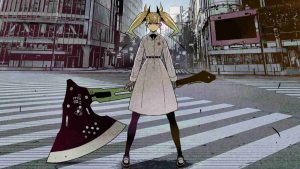
If you’ve ever found yourself scrolling through a digital series or browsing the aisles of a bookstore, you’ve likely asked yourself, “What’s the difference between manga and manhwa?”
While they might look similar at first glance, these two styles of illustrated storytelling come from different cultures and offer unique reading experiences.
| BRING YOUR FAVES HOME You can now create your own manga t-shirts with iconic panels from Shonen Jump Where to read Boys Love manga: All best apps and sites |
In this guide, we’ll break down manhwa vs manga by diving into their origins, artistic styles, and formats. We’ll explore every detail to help you know more about manga vs manhwa and choose the best format for your reading habits.
Before we answer the question “What’s the difference between manga and manhwa?”, let’s take a closer look at their respective histories.
What is manga? Origin, history, format
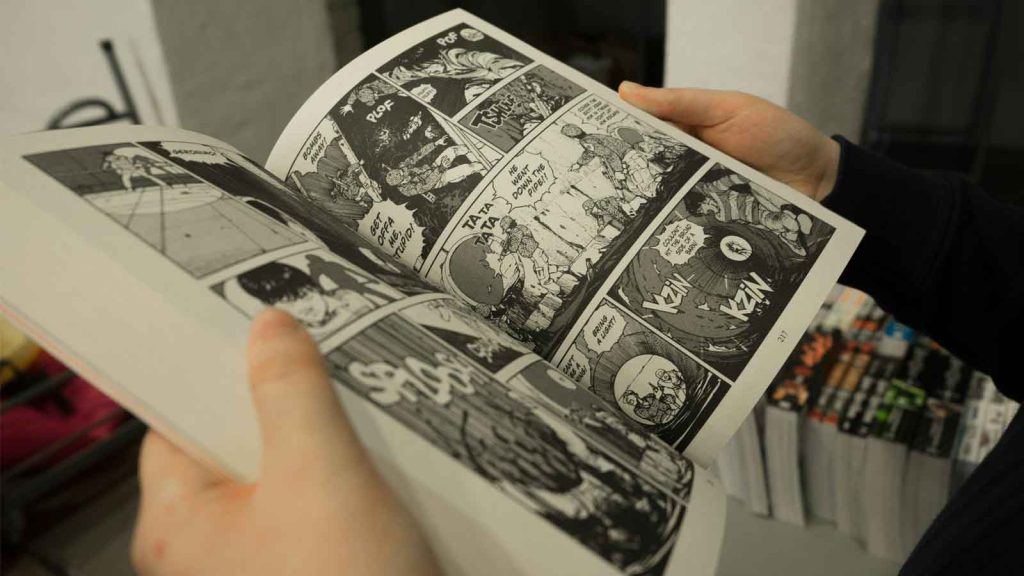
Manga is the Japanese word for comics. Unlike Western comics, which are typically published in full color, manga is primarily a black-and-white medium.
The roots of manga can be traced back centuries to the Choju-giga (Scrolls of Frolicking Animals) from the 12th century, which used sequential art to tell stories.
| CHECK OUT THE MOST POPULAR OF ALL TIME Where to read Jujutsu Kaisen manga online — all official sources Where to read One Piece manga online — all official sources |
Modern manga as we recognize it today began to take shape in the late 19th and early 20th centuries through a fusion of traditional Japanese woodblock printing (ukiyo-e) and Western political cartoons.
The industry saw a massive boom in manga post-World War II. During this era, Osamu Tezuka, often called the “God of Manga,” revolutionized the medium. He introduced techniques such as dramatic camera angles, close-ups, and speed lines that gave the static pages a sense of motion.

His work, which includes the iconic Astro Boy, set the blueprint for the visual language and narrative depth that modern manga follows.
One of the most defining characteristics of manga is its reading direction. Because of the way the Japanese language is written, manga is read from right to left and from the top of the page to the bottom. For international readers, this means starting at what Westerners would consider the back of the book.
In Japan, manga is typically first serialized in thick, phonebook-sized weekly or monthly magazines like Weekly Shonen Jump. If a series becomes popular, the individual chapters are later collected into standalone volumes called tankobon.
This cycle allows manga creators (known as mangaka) to build long-running epics that span dozens of volumes and several years of storytelling.
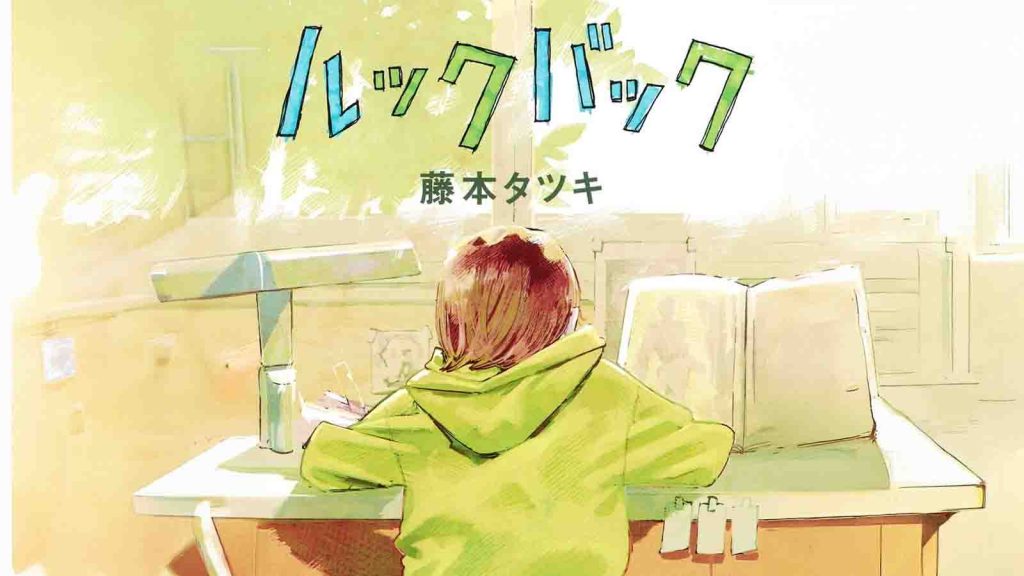
Manga is primarily a black-and-white medium, utilizing ink and grey screentones to create depth. This monochromatic style originated from the demands of Japan’s weekly magazine industry, where rapid production and high-volume printing made full-color illustration too expensive and time-consuming for creators.
The art is defined by visual shorthand and expressive character designs. While styles vary, many artists use large eyes to emphasize emotion, supplemented by standardized symbols like a giant sweat drop for embarrassment, popping veins for anger, or bubbles for sleep. These cues allow readers to instantly understand a character’s internal state without the need for dialogue.
What is manhwa? Origin, history, format
Manhwa refers to South Korean comics. While the word manhwa technically describes any Korean comic, it is now most commonly associated with the modern, full-color vertical format known as webtoons.
Modern manhwa began to develop in the mid-20th century, heavily influenced by the political climate of Korea. For decades, it followed a similar trajectory to manga, with black-and-white art published in physical magazines.
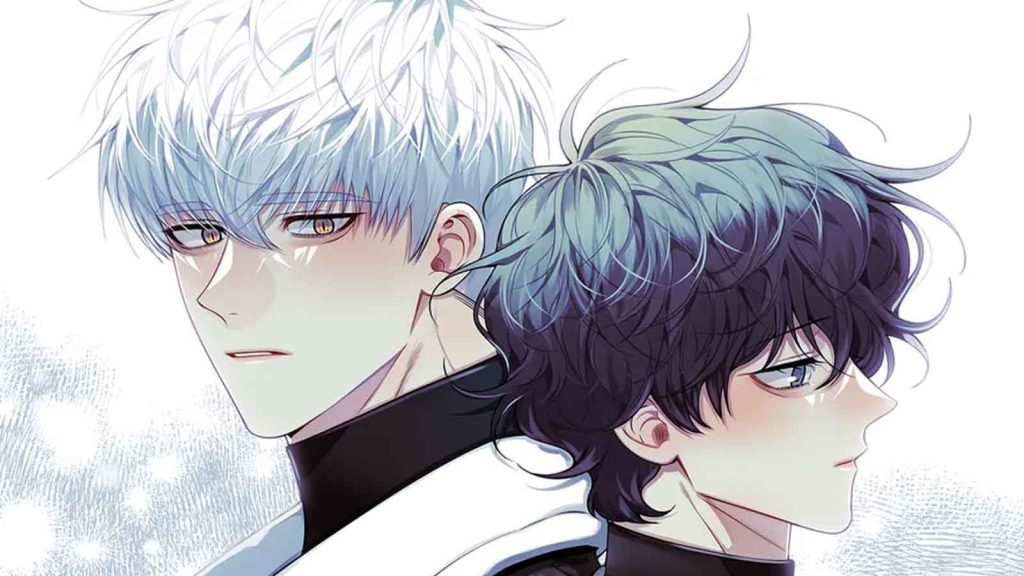
However, during the Korean economic crisis of the late 1990s, the print industry collapsed. This forced creators to move their work online, leading to the start of webtoons in the early 2000s on portals like Daum and Naver.
The most significant difference between manhwa vs manga and other comics is its infinite scroll. Because webtoons are designed to be read on mobile devices, they abandon traditional page flips in favor of a continuous vertical strip. This allows creators to use white space to control the reader’s pace, creating cinematic reveals as the user scrolls down.
Unlike manga, modern manhwa is almost always published in full color. The art style often leans toward a semi-realistic aesthetic, frequently incorporating digital 3D assets for backgrounds and architecture to maintain a high production value on a weekly schedule.
Additionally, manhwa follows the Western reading direction, left-to-right and top-to-bottom.
Manhwa vs manga: What’s the difference between manga and manhwa?
| FEATURE | MANGA | MANHWA |
| Country of origin | Japan | South Korea |
| Reading direction | Right-to-left | Left-to-right |
| Primary medium | Print (magazines/books) | Digital and print |
| Color | Mostly black and white | Full color (digital) |
| Panel layout | Complex, multi-panel | Structured, horizontal |
| Popular titles | One Piece Jujutsu Kaisen Astro Boy | Solo Leveling The Beginning After the End Omniscient Reader |
While manhwa vs manga share a common visual heritage, they have developed distinct identities rooted in their respective cultures and the technology used to read them.
The primary differences of manga vs manhwa lie in how a reader navigates the page, the use of color, and the intended medium of consumption.
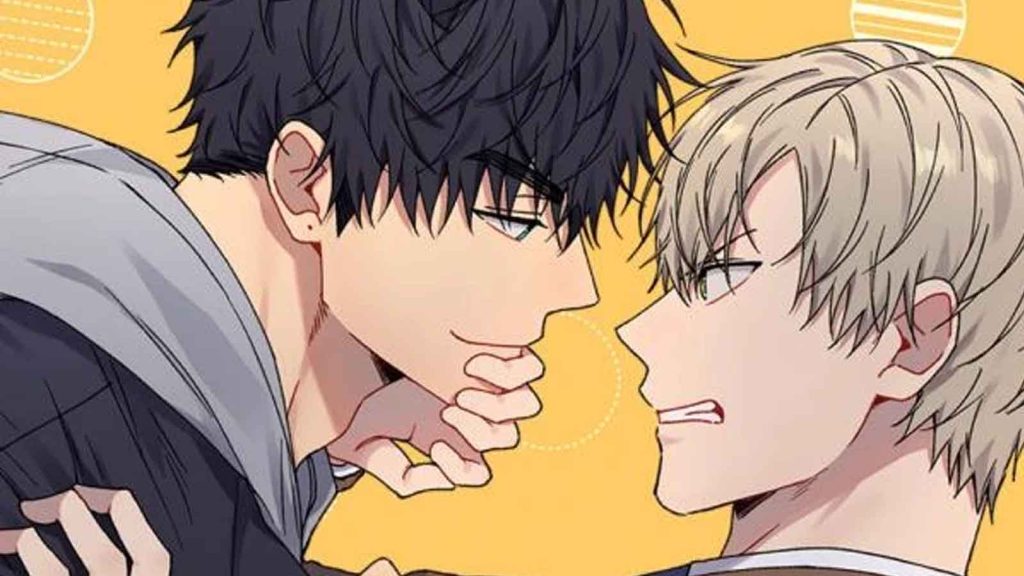
Manhwa vs manga: Reading direction and layout
The most noticeable difference between manhwa vs manga is the reading order.
Manga follows the traditional Japanese format, which is read from right to left and from the back of the book to the front. This applies to both the panels on a page and the speech bubbles within them. Manhwa, however, follows the Western standard of reading from left to right and top to bottom.
Manga is designed for the page-turn experience of a physical book, while modern manhwa is almost synonymous with the vertical scroll. Instead of flipping pages, manhwa readers often use a continuous downward motion on their smartphones, a layout specifically engineered for mobile devices rather than paper.
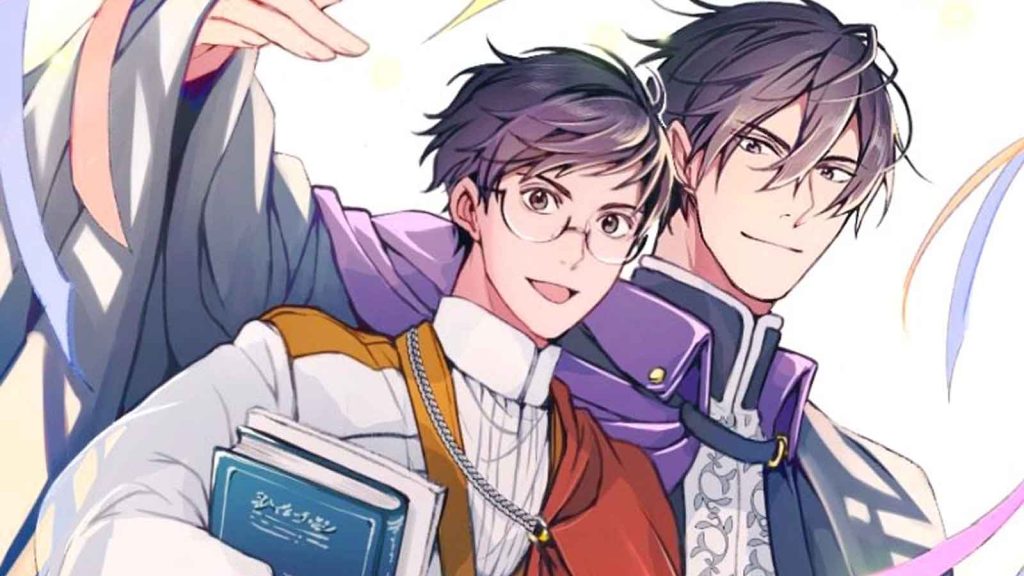
Manhwa vs manga: Color vs black and white
Color is perhaps the most striking visual divider between manhwa vs manga. Manga is traditionally a black-and-white medium. Artists use intricate ink work and grey screentones to create depth and mood.
In contrast, modern manhwa is almost exclusively produced in full color. Because the Korean industry pivoted to digital platforms early on, creators weren’t limited by the costs of color ink.
This results in vibrant, high-contrast visuals that often look more like a digital painting or an animation still than a traditional newspaper comic.
Manhwa vs manga: Artistic style and backgrounds
The art styles of manga vs manhwa also tend to diverge due to their production methods. Manga is famous for its hand-drawn feel and cinematic paneling that can vary wildly in shape and size to convey movement.
Manhwa often utilizes a semi-realistic digital style. Because many manhwa are released weekly in full color, artists frequently use 3D digital assets to render backgrounds, buildings, and complex objects, ensuring a polished, consistent look even on a tight deadline.