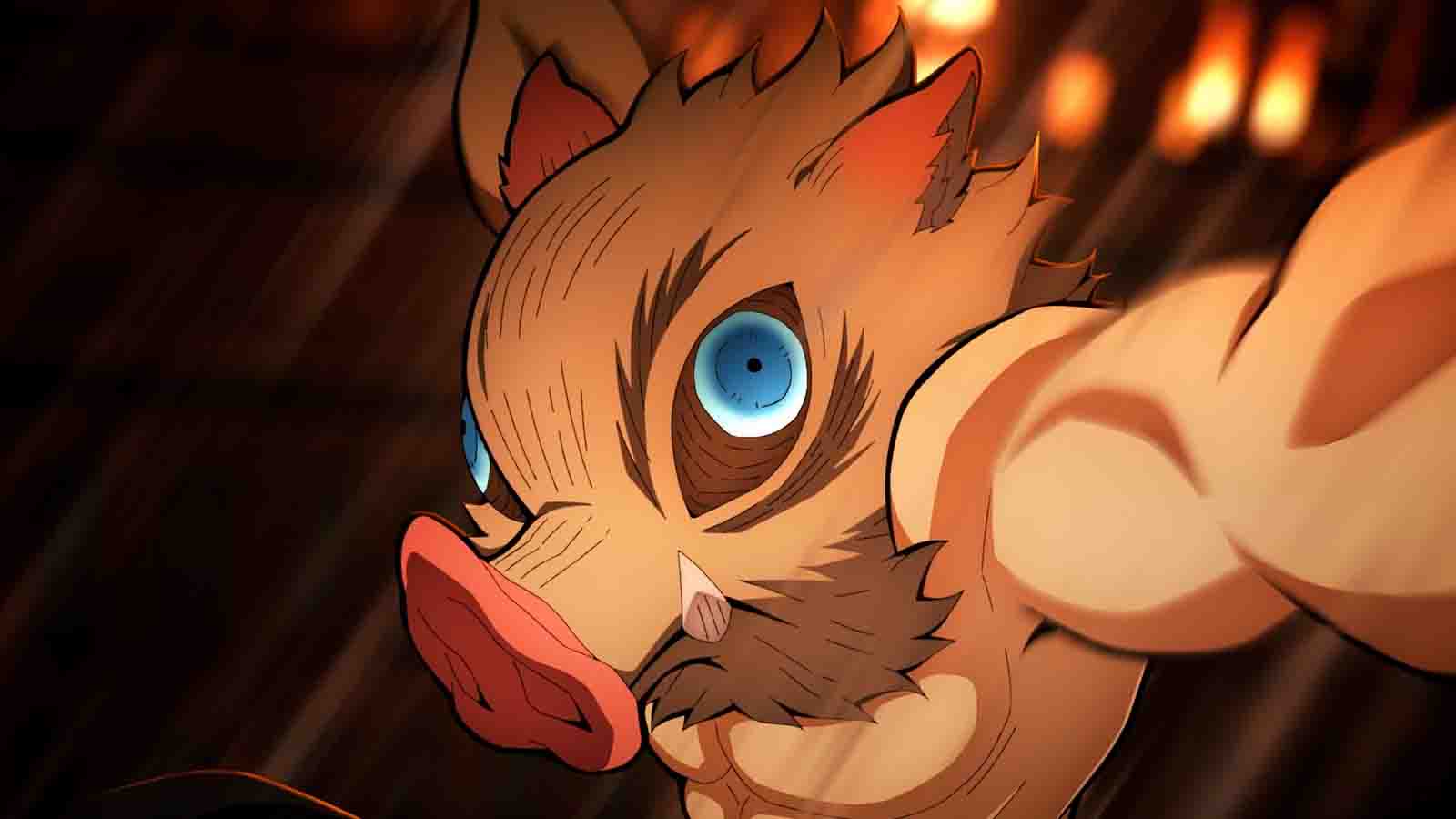
Inosuke Hashibira was never introduced as a typical hero in Demon Slayer.
His violent instincts, disregard for danger, and feral upbringing immediately set him apart from other demon slayers.
“Does Inosuke die?” becomes a natural question as his approach to combat consistently puts him in harm’s way. Unlike characters driven by duty or legacy, Inosuke’s story unfolded around survival learned through experience rather than guidance.
| ALL YOUR QUESTIONS, ANSWERED Does Tanjiro die in Demon Slayer? What actually happens Does Nezuko die in Demon Slayer? Find out her fate |
That background shaped how he faced danger, and how close he came to death.
How Inosuke’s life is shaped by the mountains
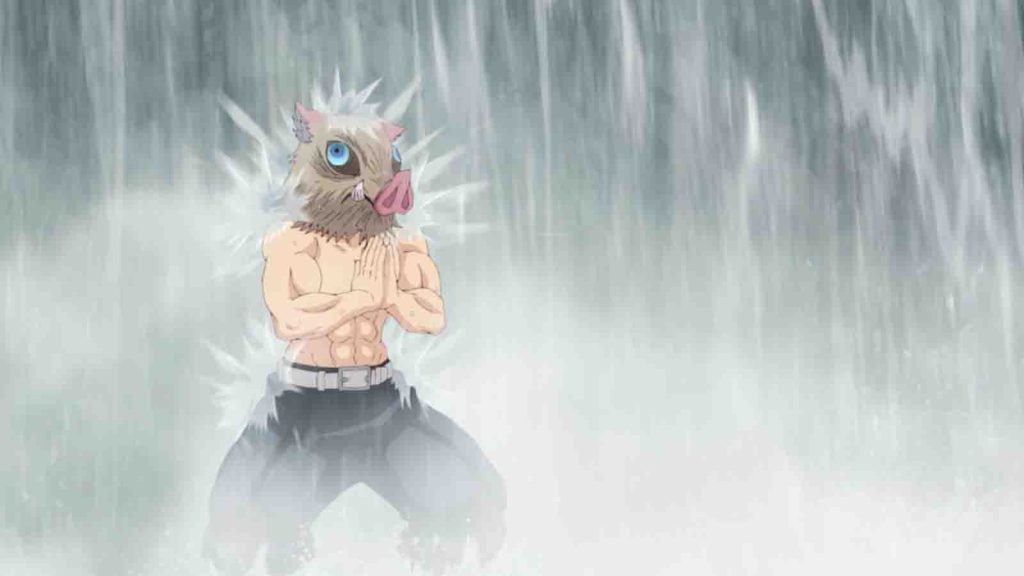
Inosuke Hashibira’s relationship with danger was formed long before he ever encountered demons or the Demon Slayer Corps. His early life was defined by isolation, loss, and survival outside human society, conditions that removed fear but left little room for caution.
Rather than learning restraint or discipline, Inosuke grew up responding to threats through instinct alone.
His mother, Kotoha Hashibira, fled a religious cult led by Upper Rank Two demon Doma after realizing its true nature. When Doma pursued her, Kotoha sacrificed herself to save her infant son, entrusting him to the mountains to escape.
Inosuke alone survived, raised by wild boars and cut off from human contact, which fundamentally shaped both his body and his mindset.
This upbringing explains why questions surrounding Inosuke Hashibira death followed him throughout the series. Pain and injury were treated as obstacles rather than warnings, and combat was something he embraced without hesitation.
Unlike other demon slayers who trained under mentors, Inosuke’s strength developed through trial and error, reinforcing a survival-first mentality that consistently placed him in danger.
By the time Inosuke entered the world of demon slayers, risk was already familiar. That familiarity did not make him immune to death — it simply made him willing to face it head-on.
Does Inosuke die in Demon Slayer?
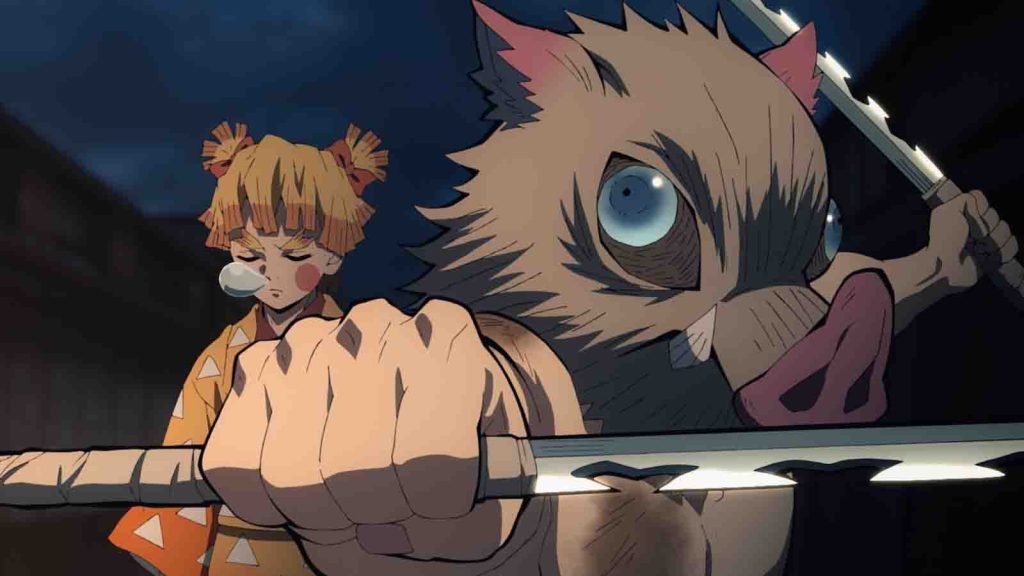
Inosuke Hashibira was repeatedly placed in situations where survival felt unlikely, even by Demon Slayer’s standards. His reckless fighting style and willingness to absorb damage often pushed him far past safe limits, making death feel like a constant possibility rather than a distant threat.
Inosuke’s closest brushes with death
Mount Natagumo arc (season 1)
Inosuke’s first major brush with death occurred during the Mount Natagumo arc, where he faced the Father of the Spider Family. Completely outmatched in raw strength, Inosuke suffered devastating injuries and was nearly killed.
He survived only because of Tanjiro Kamado’s intervention, marking one of the earliest moments where his limits were clearly exposed.
Entertainment District arc (season 3)
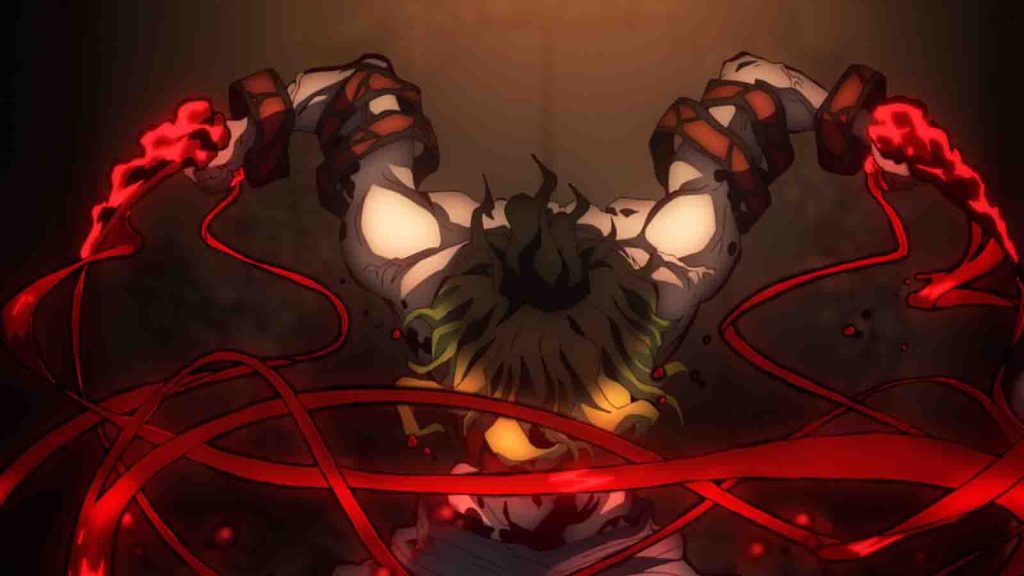
Inosuke’s most infamous close call came during the battle against Upper Rank Six Gyutaro. Gyutaro pierced Inosuke’s chest with a poisoned sickle, an attack that should have been fatal.
Inosuke later revealed that he had shifted his internal organs to avoid a killing blow, a technique made possible by his abnormal bodily control. His upbringing in the mountains also granted him a high resistance to poison, allowing him to remain conscious long enough to continue fighting.
With the combined efforts of the Sound Hashira Tengen Uzui, Tanjiro Kamado, Zenitsu Agatsuma, and Inosuke, Gyutaro and Daki were beheaded simultaneously. Nezuko Kamado then neutralized the lingering poison using her Blood Demon Art, preventing Inosuke’s injuries from becoming fatal.
Infinity Castle arc (Demon Slayer Infinity Castle movie part 2)
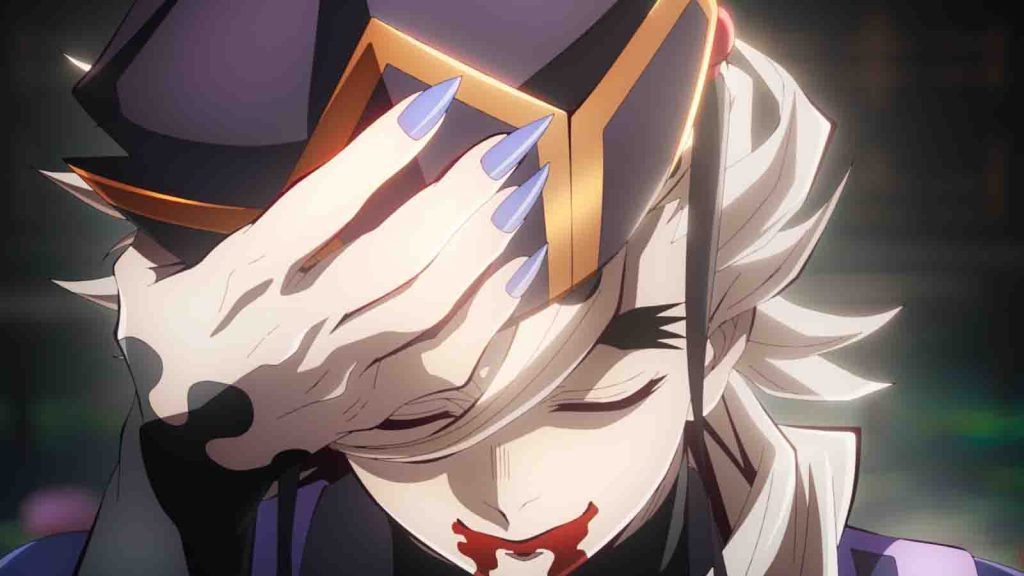
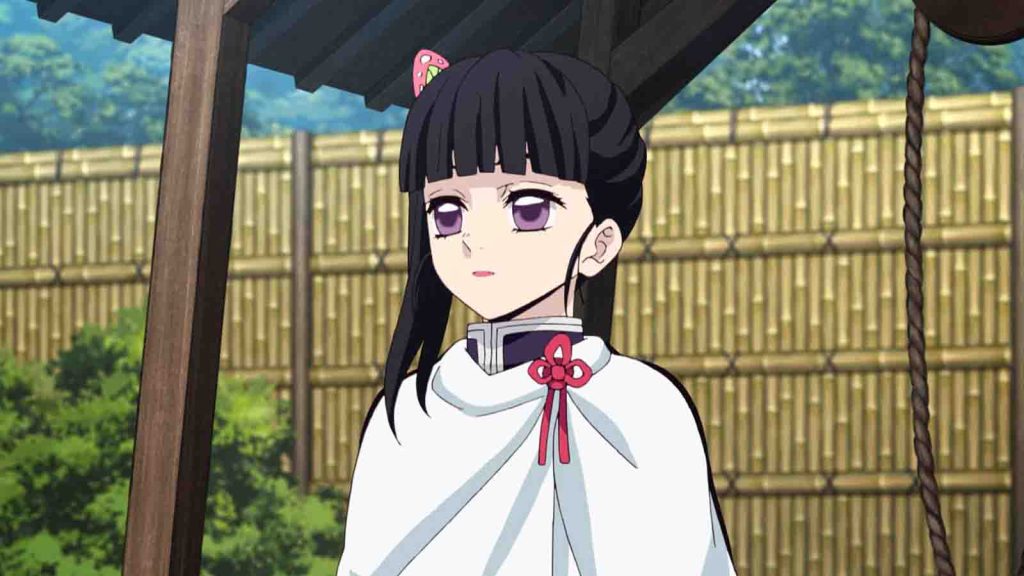
Inosuke’s most emotionally and physically dangerous battle took place in the Infinity Castle against Upper Rank Two Doma. Fighting alongside Kanao Tsuyuri, Inosuke was pushed to his limits as the battle dragged on against an opponent far beyond conventional strength.
The fight became deeply personal when Inosuke learned the truth about his mother’s death, directly tying his past to the demon in front of him.
Their survival hinged on the sacrifice of Shinobu Kocho, whose plan to poison Doma from within weakened him enough for Inosuke and Kanao to continue the fight.
Even then, Inosuke endured severe injuries and moments where his body nearly gave out, relying on sheer endurance and coordination rather than dominance. The battle tested not only his physical resilience, but his ability to fight alongside others, something his isolated upbringing never prepared him for.
Sunrise Countdown arc (final battle)
Inosuke also took part in the final battle against Muzan Kibutsuji during the Sunrise Countdown arc. While not the focal point of the confrontation, he fought alongside the remaining demon slayers, enduring Muzan’s overwhelming attacks until sunrise.
His presence in the battle reinforced his role as a survivor, someone who endured through chaos rather than dominating it.
Inosuke’s fate by the end of the series
Inosuke did not die. Despite injuries that would have killed most demon slayers, he survived the series and lived on after Muzan’s defeat. His story concluded not with sacrifice, but with survival earned through instinct, resilience, and an almost unnatural tolerance for pain.
In a series defined by loss, Inosuke’s endurance stands out, not because he avoided danger, but because he repeatedly endured it and kept moving forward.