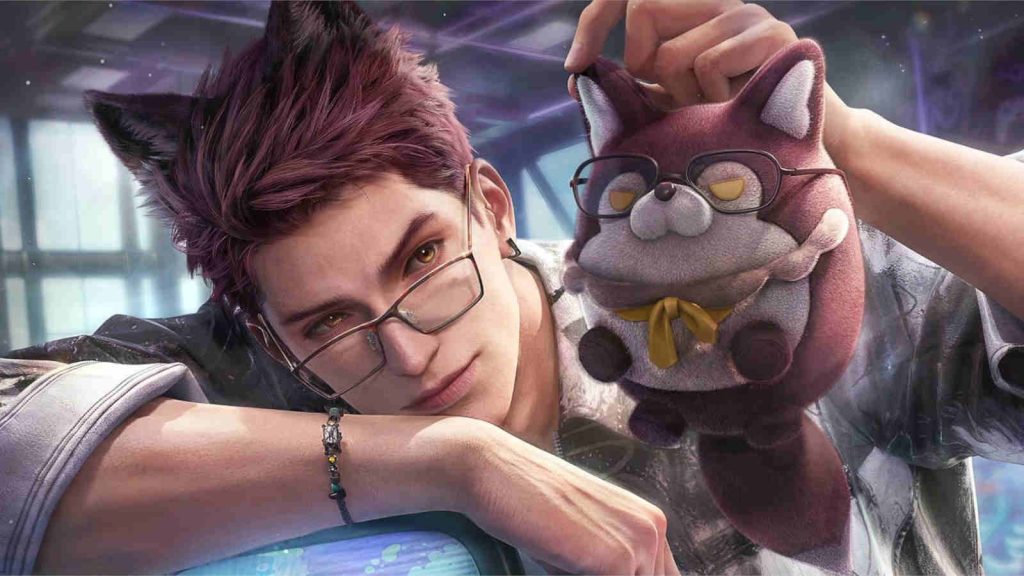
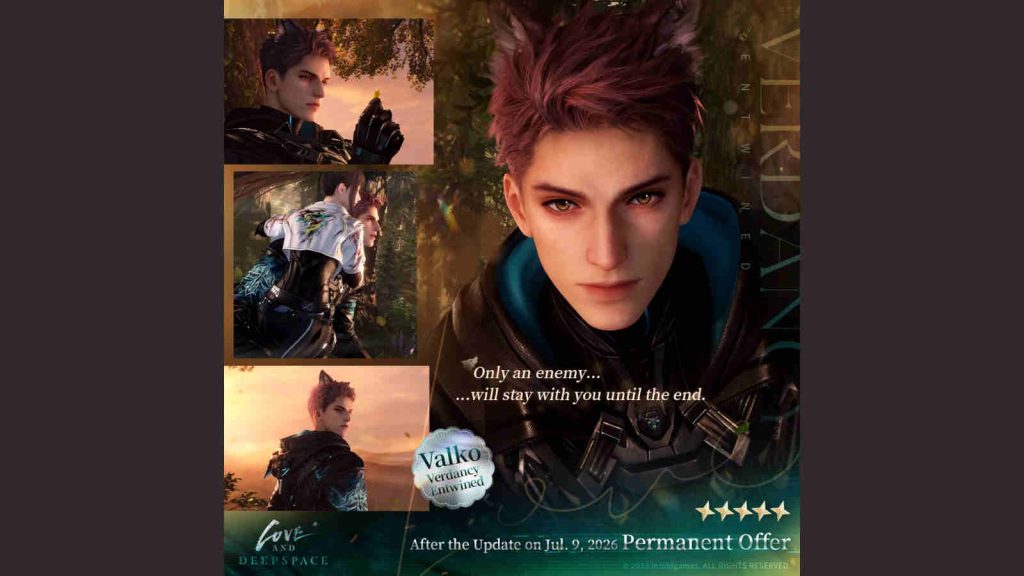
I attended a local event where the community gathered to enjoy food, flowers, and the Love and Deepspace Valko livestream on June 28, 2026.
Having enjoyed the experience, I put together a reel showing the reactions of the community to the livestream, which then went viral on social media.
That night, I really did expect our sixth love interest to enter my life. But like many girlies around the world, we are disappointed that he isn’t.
| READ OUR EXCLUSIVE INTERVIEW She loves Rafayel so much, she made him her first-ever tattoo |
So much has happened since then. Valko didn’t just divide Love and Deepspace players – people who were not LADs or otome players or even gamers were all injecting unsolicited opinions. Fear, misinformation, rumormongering, ragebaiting, trolling, sexism, even cyberbullying on my own reel had spread like an infection.
As someone who diligently clears all my Love and Deepspace dailies, who has written about the game for the past two years, spent a solid sum of money on the banners, and attended all official local events, I felt like I needed time to take a step back, collect my thoughts, and value-add instead of jumping on a trend. While it made editorial sense to catch pageviews when the Valko topic was hot, this game is precious to me and sits too close to my heart.
A game journalist for more than 10 years, I’ve had the privilege of speaking to so many people in all segments of the industry. And being a LADs player myself, I stand at an intersection where I’m able to see that Infold and HoYoverse have more in common with McDonald’s and Starbucks than other gaming companies.
Love and Deepspace Valko’s first introduction did not make sense
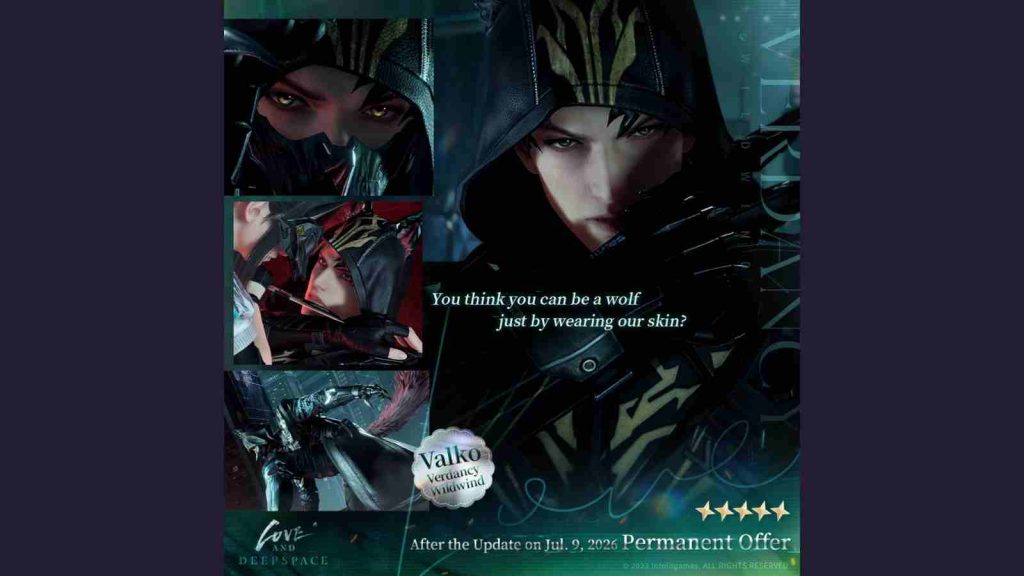
When the first teaser for Valko dropped, I was very surprised. Not because we were going to get a new love interest – that was always signalled in the game – but because Catch 22 was, for a fact, not well-received by players in China.
One year ago in 2025, Infold Games took a risk for Valentine’s Day. Instead of sparkling romance and gleaming flowers, they released a BDSM-inspired series called Tomorrow’s Catch 22. Imagine a dark, post-apocalyptic city that’s grimy, dirty, and contaminated. As the city plunges into chaos, our love interests descend into madness.
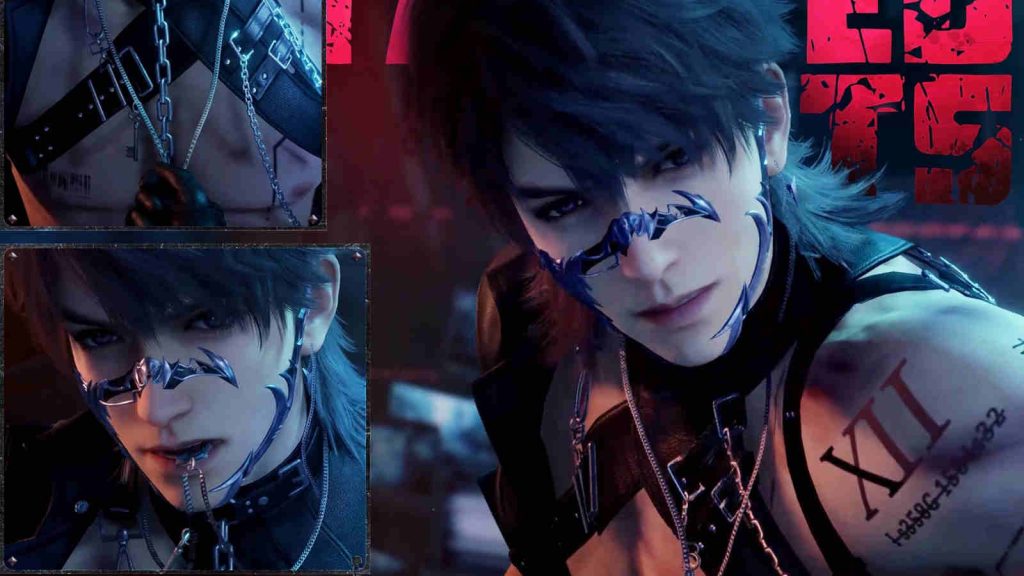
Clad in black leather, chains, and metal masks, our men who lost their minds were labelled as “Praedators.” We as the Main Character (MC) acts as an “Enforcer” who interrogates and tames them.
Go feral. Wrestle for control. Dominate or submit.
Needless to say, I loved it. Still do. It was tantalizing and I appreciated Infold’s boldness. They are, after all, a company that wants to “empower the world with creativity.”
So knowing public player feedback, it was surprising to me that Infold took an even bigger risk in Valko. He is the epitome of Catch 22, the one that they very well know doesn’t appeal to their broad player base in China.
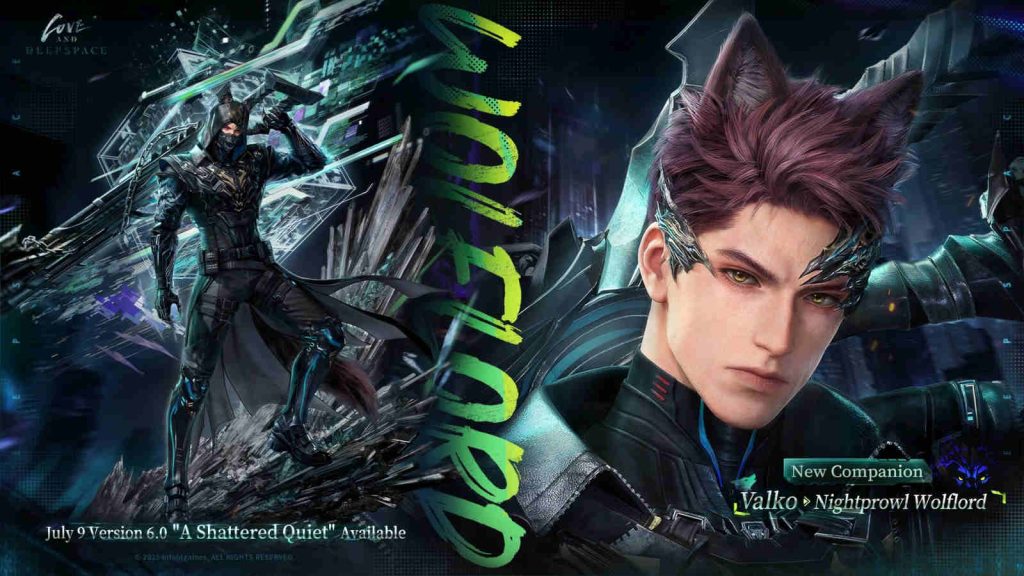
They already lost support on home ground once. Why would they risk an even more potentially damaging new male lead?
Valko was called ‘gay’ and ‘ugly’, but so is fandom sometimes
Predictably, criticism was directed towards Valko’s appearance on top of two other major spheres: the marketing surrounding him and Love and Deepspace as a game.
Out of all the marketing concerns, one thing to me was made clear: no one should profit off historical trauma. There is no place for this in our world. It is cruel, unkind, and inhumane.
Whether the 731 reference in Valko’s marketing material was intentional or not is not the point. The number — which points to the infamous World War II Japanese biological and chemical warfare unit responsible for lethal human experimentation — carries immense political and emotional weight.
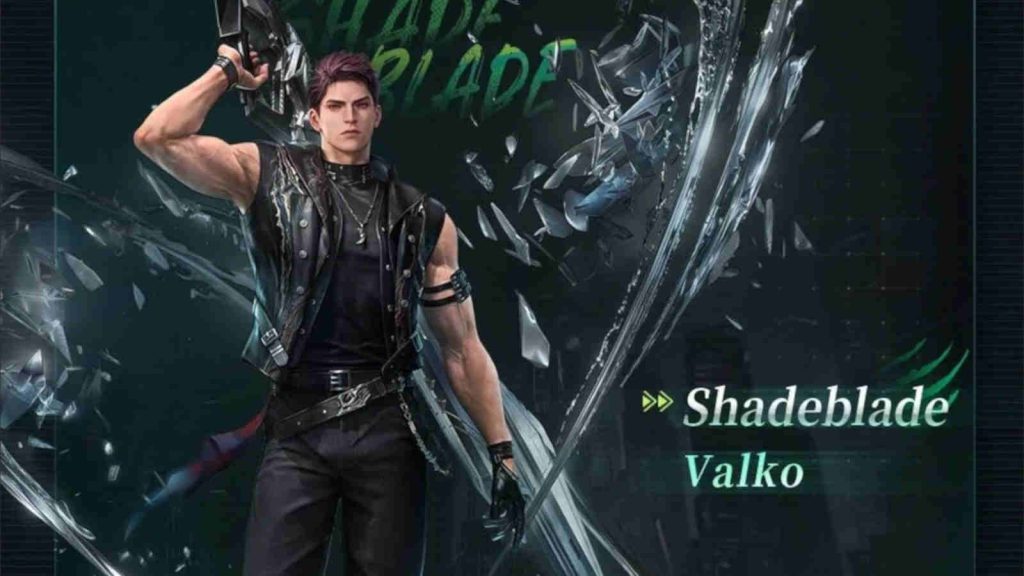
So do many other periods in world history. During the same time when the Valko incident started, a famous Boys Love manhwa author, Jaxx, who was on the verge of a comeback, cancelled her new title after the first chapter.
Critics took issue not with the inclusion of difficult historical subject matter itself, but with its setting. A white man and an apparent Native American figure in a master-slave dynamic were framed as a “white savior” among a group of enslaved people, all seemingly in service of yaoi.
As creators, we all need to practice historical sensitivity. History serves as a reminder for us to be and do better, not as a backdrop to dress up a romance plot.
And as fans, we all need to practice civility. Sending death threats and malicious packages to an office and its workers crosses a line that cannot be undone. Threatening someone’s safety — regardless of how strongly you feel about a piece of fiction — is not fandom, it’s harassment.

I come from esports and such behavior is, unfortunately, not new. It is also present in Kpop. In August 2023, T1 mid laner Lee “Faker” Sang-hyeok received an online death threat that heightened security concerns at League Champions Korea (LCK). According to a report by The Korea Herald, even his grandmother was targeted this year.
Over the years, his team, T1, and other esports organizations like KT Rolster have had to deal with threatening items being sent to their HQ which includes funeral wreaths, weapons, and trucks conveying fan demands.
Doing business in an emotional economy of otome games
The egregious fan reaction to Valko, Infold’s Valko marketing campaign, and their final decision to cancel him all added generous fuel to the fire. Within a month, Infold’s total revenue plunged 73% from almost US$40 million to $10 million from June to July according to Senor Tower data.
But the devil is in the details. Just a month before in June, China racked up $27.7 million in revenue while the global market generated $7 million.
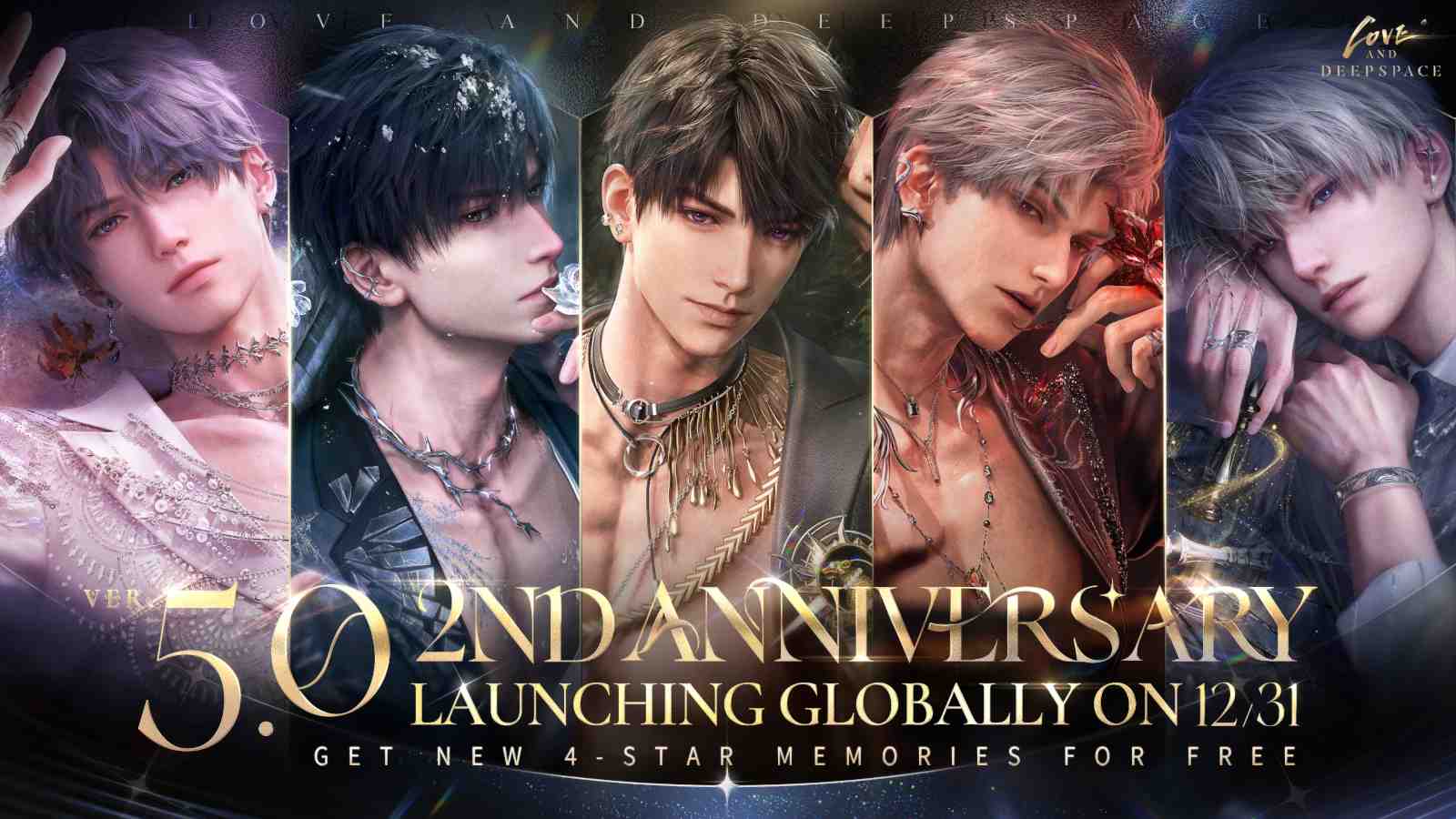
In July, a month after the Valko incident ignited, China only generated $5.6 million. That’s an 80% drop – $22 million less than the previous month.
On average, Infold’s revenue draws at least 70% from China in any given month, which is why it’s become a strange target for two contradictory accusations: pre-cancellation critics said they were pandering to the international audience due to Valko’s design, while post-cancellation critics say they only care about China because it’s their biggest market.
Either way, “they’re just chasing the money” is the constant, which isn’t ironic at all since that’s what companies do.
The real question, rather, is this: when money operates within an emotional economy, how exactly should a company operate?
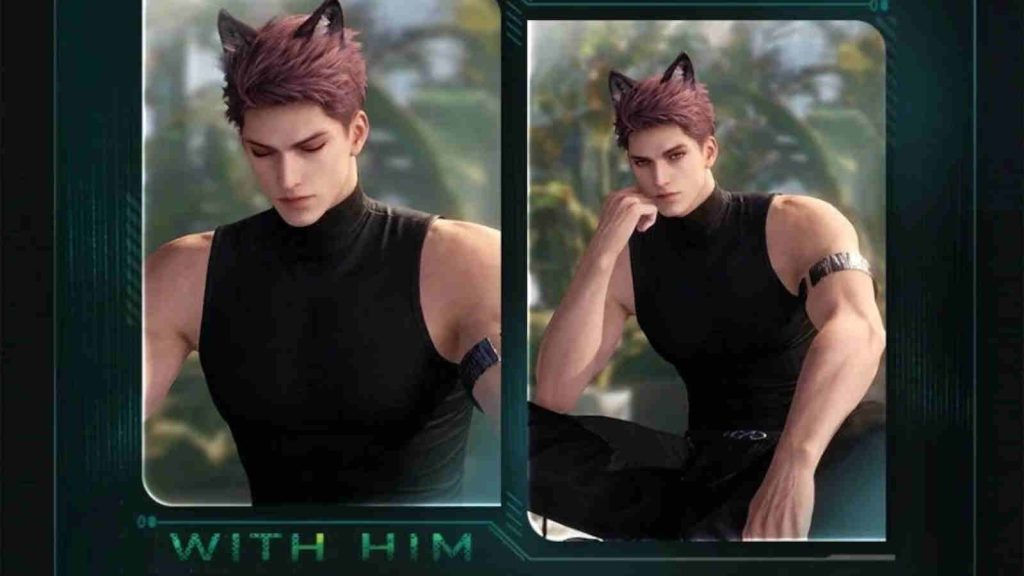
Unlike other high-earning gacha games such as Genshin Impact, Honkai Star Rail, Uma Musume, Fate/Grand Order, and Nikke for example, Love and Deepspace is an outlier because it is the only otome game in a long list of titles from other genres.
And mind you, LADs fans don’t just spend lavishly in-game. They pool together funds to elaborately decorate entire planes, ballrooms, and city billboards all around the world to publicly express their love for their favorite digital love interests.
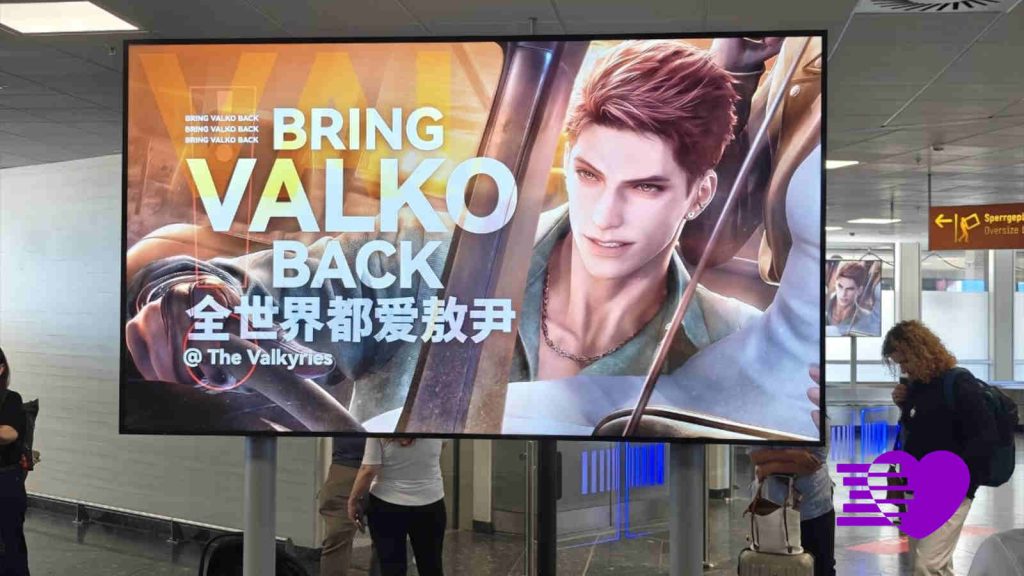
Even for Valko who wasn’t released, girlies from China who call themselves The Valkyries, bought out screens in Cologne airport during Gamescom to ask for his return because this is where top guns in the gaming industry gather for the yearly expo which Infold’s CEO Yao Runhao had attended in 2025. New public Valko campaigns are still popping up worldwide as fans continue to express their continued love for him.
Unlike other genres where characters sometimes get cancelled while still in development, it’s practically unheard-of for a fully completed, launch-ready character to be cancelled just eight days after his first official teaser, let alone in an otome game.
You need to understand — the moment Valko was revealed, LADs girlies already fell for him. We were already in love. And we wanted more.
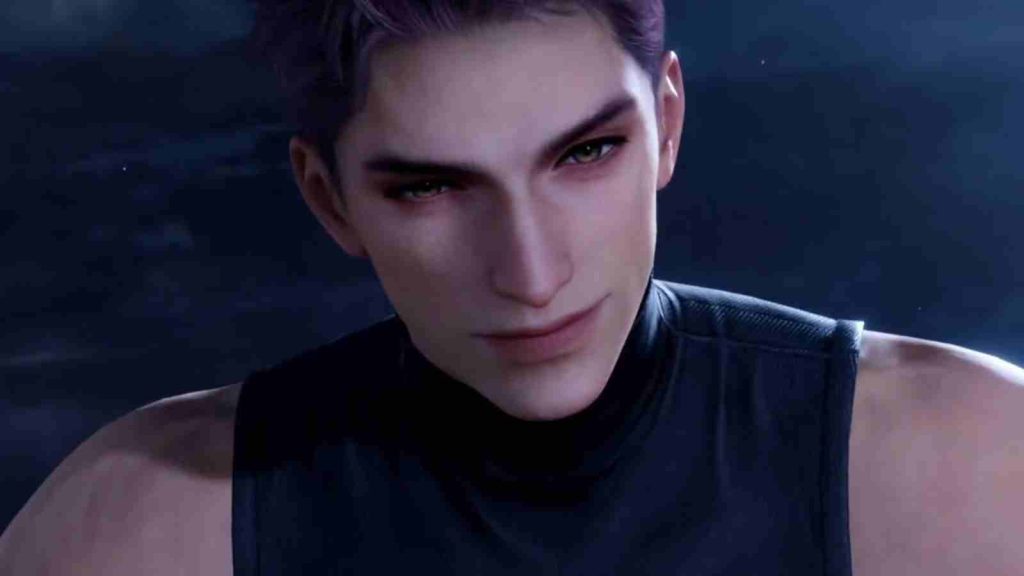
Many of us expressed how “heartbroken” we were online and this is not an exaggeration. I really enjoyed how his personality shone during the livestream and I was eager for him because he possessed traits that were distinct from the first five male leads. Emotionally, we were already invested in Valko and we were looking forward to getting to know him better.
This is why his cancellation—even if there’s an ounce of reason that could justify it—had struck the fandom like an earthquake, with waves and waves of aftershocks that may never die down.
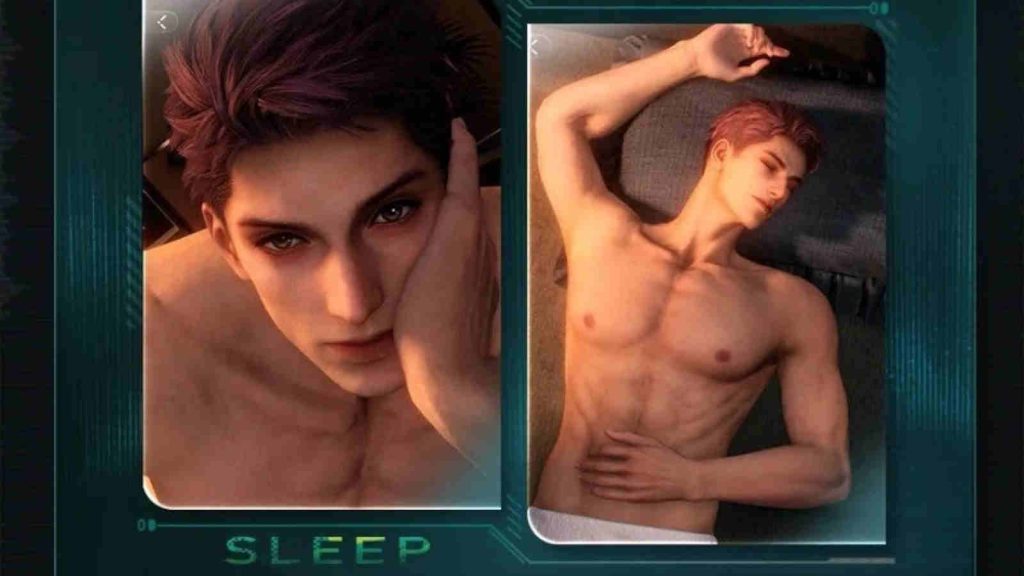
So yes, cancelling Valko was unprecedented. But the thing is, everything that Infold is doing in the otome space is also unprecedented. Before Love and Deepspace, 2D animated characters with fixed storylines, scripts, and dialogue had sustained the genre.
LADs is the first 3D realism otome game that took over the world, which the company prefers labelling as a “romance simulator.” In the game, players can even pose with their love interests thanks to their integration of AR technology. During offline events, VR technology has also been used. There’s even a function for male leads to track your period in-game and remind you of special occasions.
By breaking boundaries and going beyond, Infold has chartered new territory, and they are still trailblazing this path in the gaming industry.
Unprecedented is Infold’s business.
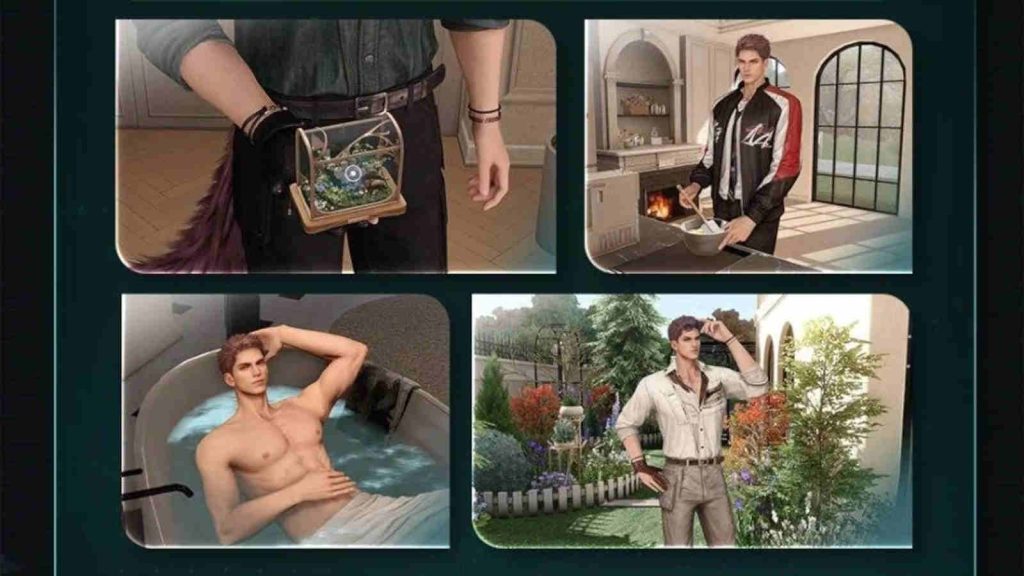
Bringing Valko back would be unprecedented too, but it would be difficult considering the company’s current position. In their long letter to players published on June 30, 2026 they wrote: “We also commit that no additional love interests will be introduced in future content plans.”
The two goals of winning profits and hearts can’t be easily reconciled because they lie in the muddled overlapping circles of the monetary and emotional economy – but perhaps between them lies an intersection that is the true soul of Infold’s business.
What’s driving the success of global live-service games like Love and Deepspace?
Tower Sensor’s data goes back 15 months. If we take away the minimum and maximum outliers from May 2025 to July 2026, China’s $32.7M average monthly revenue looks, at first glance, like the stronger performer. In absolute terms, today, it is. But that number represents the output of a single market.
Heavy revenue concentration in a single market leaves the top line highly vulnerable to regulatory shifts.
Global revenue, by contrast, is built from a portfolio of markets rather than a single one. At $9.15M average monthly revenue spread across many territories, this diversification is exactly what expanding businesses are gunning for.
Look at the swings and the story gets more interesting. China’s monthly revenue moves fast: +243% one month, −66% the next, −80% after that.
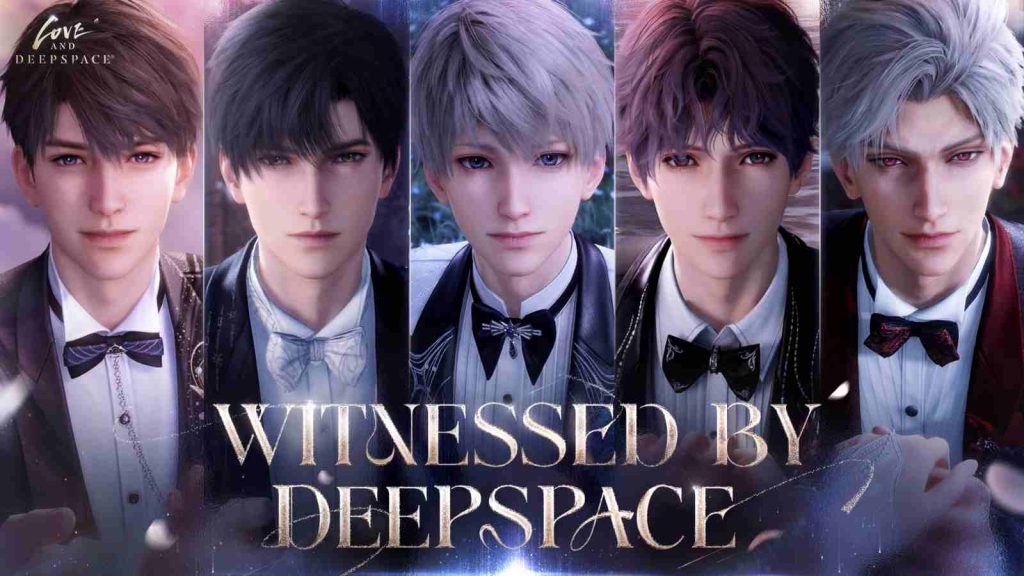
And numbers that jump around like that tend to mean that revenue is riding on a handful of big, lumpy events such as a single banner spike in July 2025 when the “wedding banner”, Version 4.0, “Witnessed By Deepspace” was released.
The global market moves differently – closer to 29% change month to month. Less dramatic swings, tighter range, steadier month to month where demand isn’t betting everything on one event resonating perfectly.
So yes, China’s number is bigger right now, but it comes with its own risks. Global’s number is smaller, but it’s standing on firmer ground with more potential to grow.
And how does a live-service game grow? By adding new content every few weeks. Everything from new Memories, time-limited events, new star-studded banners, home simulation like The Sims, mini-games, in-game scrapbooking, photo-taking… no matter the activity, they are all anchored in the male lead you choose to do activities with.
Infold wanted to rock the base of the boat by adding Valko.
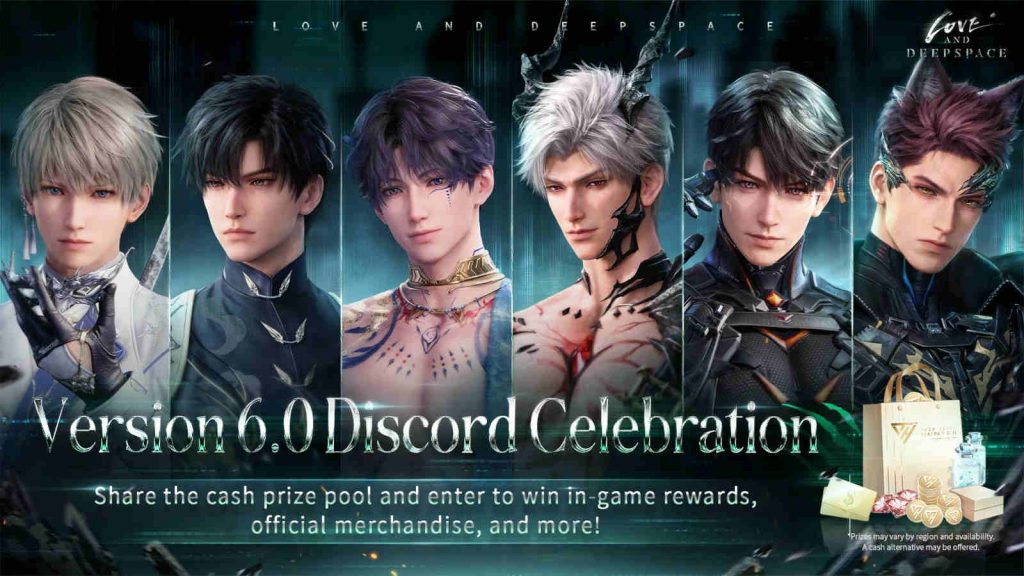
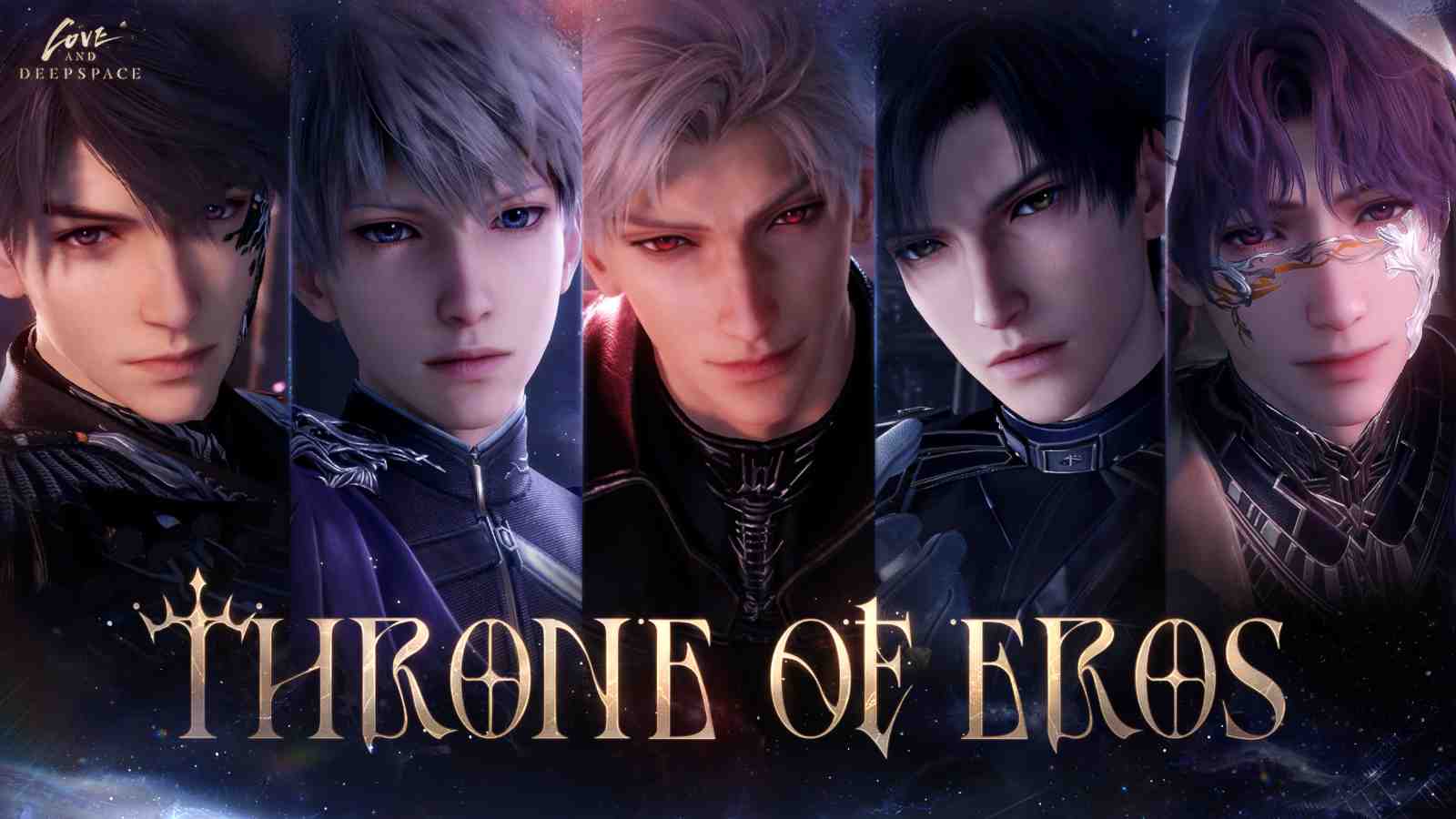
Love and Deespace’s original cast started with three – Zayne, Xavier, and Rafayel. Then Infold added Sylus and Caleb.
Even without the controversies surrounding Valko, his addition was still unprecedented: the first fury, the first male-lead who wasn’t obviously hinted at in the Main Story line, someone who seemingly came out of nowhere, designed to appeal to the global market.
But the thing is, Valko didn’t come out of left field – he is the product of Infold’s enormous internal data sets built on surveys that ask you for feedback on every new version, multiplied by millions of players for the past two years.
These long, detailed surveys take about three to five minutes to complete – all for one measly pull on the standard banner. HoYoverse conducts a very similar survey practice, and rewards you with in-game currency that you already have an abundance of and don’t really need.
These surveys usually start the same way, asking you about how you feel about the current version of the game. The first three questions don’t require you to think, just “feel”:
- How happy are you with this version?
- Will you keep playing the game?
- What are the top three things you do when you open our app?
- What kind of collaborations do you want to see?
And then things escalate quickly and personally, morphing into the total opposite of what a good date looks like.
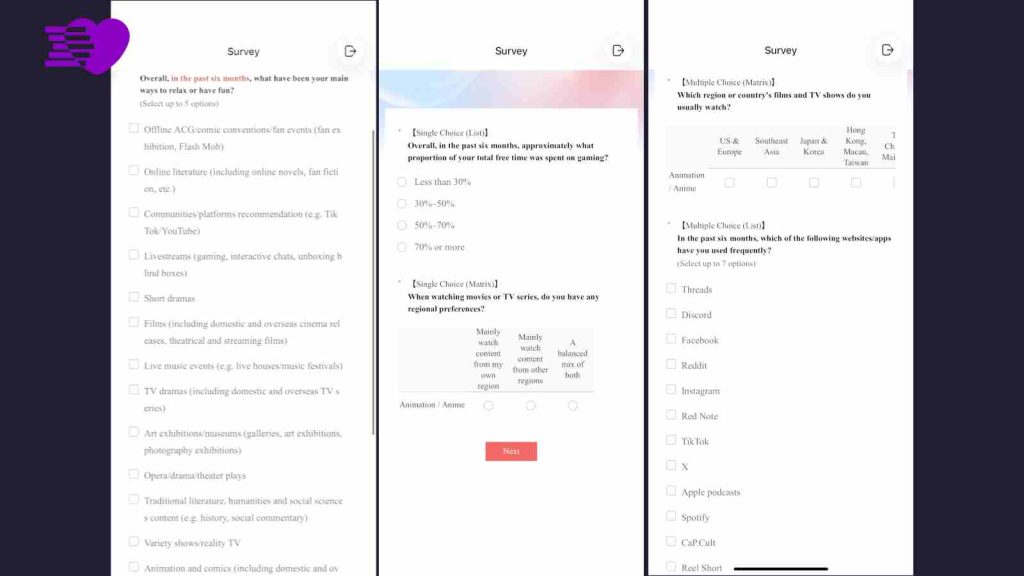
They do so by asking detailed questions in order to extract the fine grain details from you:
- How much time you spend gaming
- Which forms of entertainment are competing with Love and Deepspace
- How do you consume content online and how much time do you spend on each app
- This informs Infold’s marketing and social efforts
- At the same time, these apps are also competing for you in this attention economy – and so this data informs future game features and content
- Listing down all competitors across genres to find out which other specific games do you play
- How much money you spend on games
Essentially, Infold is trying to determine two fundamental questions: how you spend your time and how they can get you to spend more time (and money) in Love and Deepspace.
And with that, you’ve revealed more about yourself than you ever did on any dating app or first date. Or second, even.
(AKA you had to endure 17 pages of survey in order to get to the open-ended section where you can finally vent about Valko.)
Infold and HoYoverse recognize they are not merely competing against other games – they are competing against all other forms of entertainment and media.
The undocumented true value players are giving to these Chinese powerhouse game developers is a new frontier. Live-service gaming giants intentionally integrate player feedback into the game’s internal ecosystem from day one.
I’ve played games since forever and I’ve never done so many surveys in my life. My main game for at least 10 years was League of Legends where feedback was mostly visible through the vocal minority on the game’s own forum, then Twitter (now X) and Reddit.
In contrast, Chinese giants are looking for overlapping circles. Picture a Venn diagram where Love and Deepspace players sit in the middle – knowing exactly which spheres they intersect with, and how much time and money they’re spending there versus here is invaluable information to the company.
Understanding player spending habits enables these developers to set competitive in-game pricing and refine targeted marketing strategies. Correlating these insights with player age ranges provides a clearer picture of demographic purchasing power. Identifying the other titles players engage with uncovers direct competitors, revealing mechanics and minigame features worth integrating to improve player retention.
But the real draw? For an otome game, data is king when releasing a new love interest because he is the one who will capture new hearts, new players, new dedicators, and ultimately, expand the existing player base.
Without obvious ties to the planned Main Story, Valko very much appears to be the first birth child of Infold’s massive data bank.
Providing more content for existing love interests lets players go deep and potentially create higher revenue banner spikes. In terms of growth and long-term sustainability of the game, this is as important as going wide where new love interests capture additional intersecting audiences in the Venn diagram.
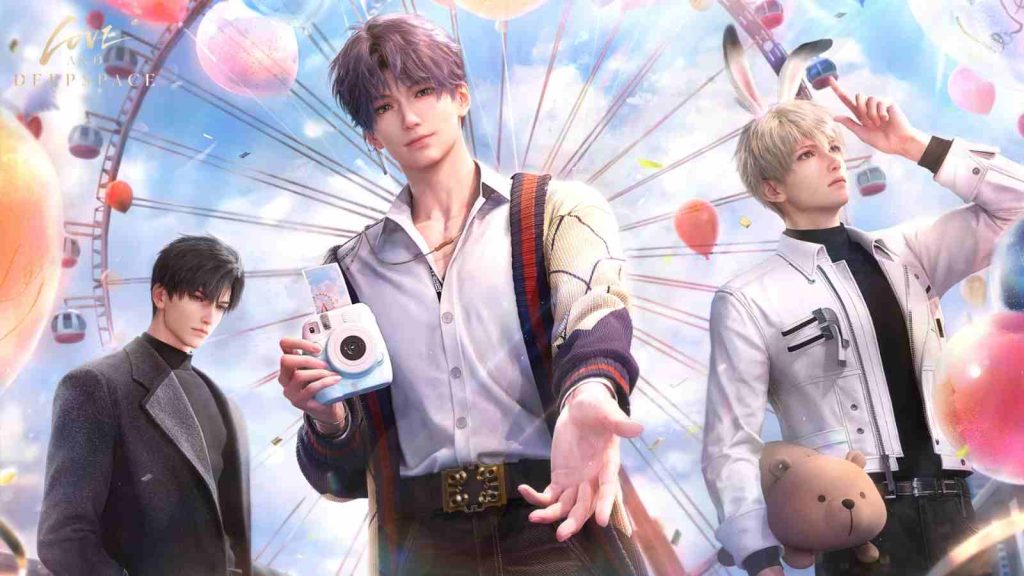
Since game launch, Infold had always kept that possibility open by teasing the words “Coming soon” in the Love Interest selection screen. It has since been removed after the Valko incident.
Now a closed that option, it’s highly likely that they will reinvest in mobile features that compete with other entertainment and social media apps. Just like how Instagram changed its focus from photos to videos, how TikTok has expanded to become a commercial and gaming platform, and how even Netflix has entered the shorts game, Love and Deepspace has already started going down the same path by adding widgets, period trackers, and reminders.
Valko was the ultimate test that didn’t actually fail
Are McDonald’s and Starbucks food and beverage companies? For global F&B brands that are now the definition of their core product, that is no longer their primary concern. For them, location is everything. In fact, the world has evolved so much that we determine how accessible a town is by whether they have a McDonald’s and Starbucks outlet in their area.
So just like how McDonald’s and Starbucks are now first and foremost real estate companies, Infold and HoYoverse have evolved to become data analytics companies who are far ahead of the game than other developers.
The advantage of HoYoverse is obvious. Genshin Impact, Honkai Star Rail, and Zenless Zone Zero still grow despite individual character hits or misses because the roster can keep expanding infinitely. There’s always something more, something new that could draw in new players or inspire returning players.
Contrast this with Tears of Themis, HoYoverse’s fixed four-man roster otome game that came four years before Love and Deespace. While still popular in China, Japan, and Korea, it is currently facing a decreasing presence in offline events in regions like Southeast Asia. During HoYoFest 2026 for example, it did not receive a booth and was completely absent except for a shiny laser ticket.
Now that Infold has also locked their five-man roster, all eyes are on whether the game can break the traditional otome cycle and sustain its massive global footprint for years to come. Is it possible to keep a fixed cast fresh without losing ground in key overseas markets? If not, how will they use their gigantic data set to create the next global hit?