The debate around loot boxes and gacha mechanics has intensified after Letitia James, the Attorney General of New York, announced legal action against Valve Corporation.
In a complaint filed Wednesday, February 25, 2026 in a Manhattan state court, James accused Valve of promoting illegal gambling through its use of “loot boxes,” alleging that the system allows both children and adults to wager money for a chance at valuable virtual prizes.
| LATEST ESPORTS STORIES MPL MY Season 17 goes all-in on franchising: Meet the elite eight Virtua Fighter Open Championship: Date, venue, schedule, exclusive merch |
According to the filing, the mechanics amount to “quintessential gambling,” which she argues violates New York’s constitution and penal law.
The complaint further claims that while certain in-game items may carry significant value, many are difficult to obtain and often worth only pennies — reinforcing what the Attorney General describes as a gambling-like structure.
Attorney General of New York argues why loot boxes are gambling
James made her position clear in a public statement on X (formerly Twitter) on the same day, writing:
“Valve, a video game developer, has made billions of dollars by letting children and adults illegally gamble for the chance to win valuable virtual prizes. These features are addictive and harmful. That’s why I’m suing to stop Valve’s unlawful conduct and protect New Yorkers.”
The lawsuit frames loot boxes not as optional cosmetic features, but as systems designed in a way that could foster addictive behavior, particularly among younger players.
Loot boxes and the nature of gacha
In Counter-Strike, loot boxes appear as weapon cases that drop through gameplay but require paid keys to open. Each case contains randomized cosmetic skins with rarity tiers, including ultra-rare knives and special variants.
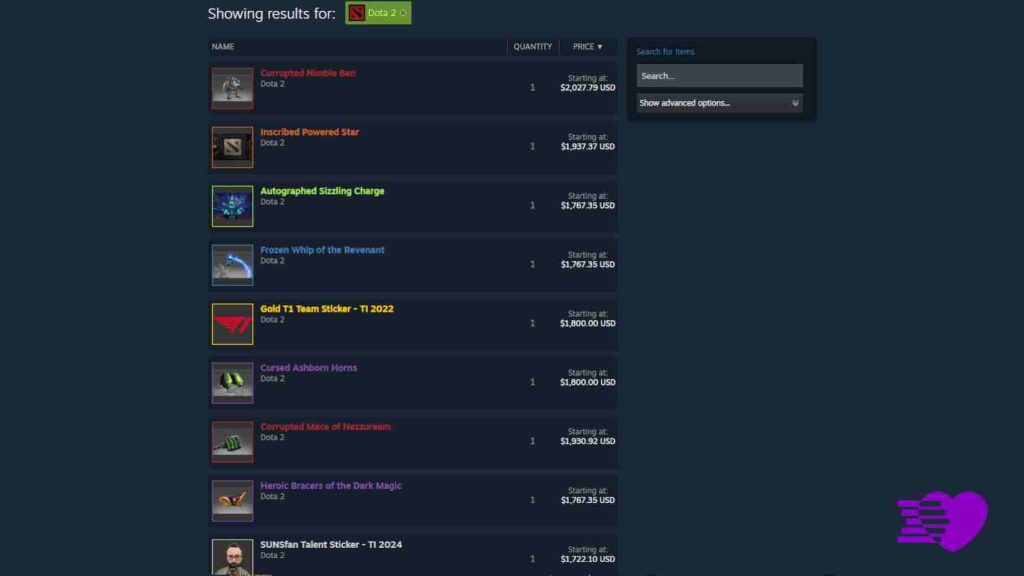
Team Fortress 2 follows a similar model with crates and paid keys, while Dota 2 uses Treasure chests, often tied to seasonal events, featuring escalating odds for rare drops.
Many popular games in the US continue to use loot boxes or similar random-reward systems. Sports titles like EA’s FIFA Ultimate Team and NBA 2K let players buy packs for a chance at rare athlete cards, while Overwatch and Tom Clancy’s Rainbow Six Siege feature cosmetic or gear-based loot boxes.
Free-to-play and mobile games such as Genshin Impact, Honkai Star Rail, and Zenless Zone Zero by HoYoverse rely on gacha pulls for characters and weapons. Even Fortnite has experimented with randomized bundles in certain modes.
Even though these loot box rewards are purely cosmetic, the ability to trade and sell skins for certain game titles on the Steam marketplace — which Valve also owns — gives some items significant real-world value.

While these rewards don’t usually affect gameplay, their randomized nature and real-money connections continue to spark debate over gambling-like mechanics in games popular with younger audiences.
If successful, the case could have significant implications not just for Valve, but for how loot boxes and similar gacha-style monetization systems are regulated in the United States.
Are loot boxes really gambling? An esports lawyer explains
Harris Peskin, a partner at ESG Law, an entertainment, sports, and games law firm representing top teams, game developers, and production studios, shared his insights on the issue in an X thread.
He explained that the core question is whether players “receive something of value” from these systems, a debate that dates back to 2016 when Washington State regulators issued a cease-and-desist letter — also to Valve based in Bellevue, Washington, USA — over skin-based gambling.

At the time, Valve denied responsibility, citing no direct relationship with third-party gambling sites, while attempting to shut down unauthorized marketplaces using its API.
Peskin noted that legal precedent, like Kater v. Churchill Downs (2018), treats virtual items used in gameplay as “things of value,” even if they aren’t directly redeemable for cash. This interpretation underpins New York’s current case, where the state argues that Valve’s ecosystem—including key sales and third-party marketplaces—creates illegal gambling activity.
Depending on the outcome, statutes like NY Penal Code Section 225.05 and Section 225.10 could apply, holding Valve liable for promoting gambling if it profits knowingly from the activity.
New York Penal Code Section 225.05 makes it a crime to promote gambling in the second degree if someone knowingly profits from another person’s gambling activity, while Section 225.10 raises the stakes to first-degree promoting gambling, applying when a person accepts bets as a business totaling more than US$5,000 per day.
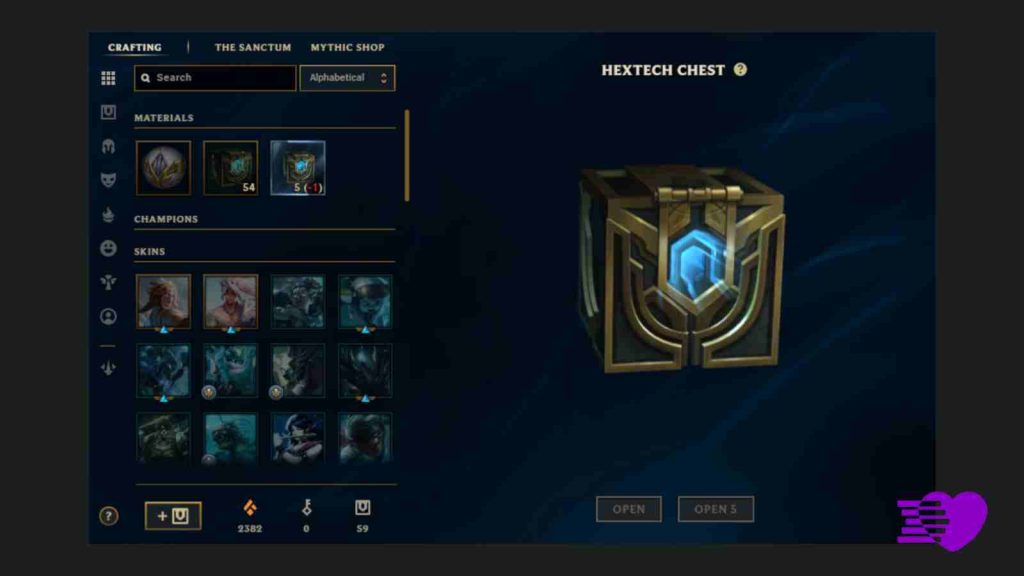
The ramifications could be huge. Peskin highlights that if this interpretation succeeds, virtually all loot boxes—including systems like League of Legends’ Hextech Keys and Boxes—could be deemed illegal in New York.
Other states with similar laws might follow, potentially forcing major changes to how video games monetize randomized rewards.
The lawsuit seeks fines up to three times Valve’s alleged profits from key and item sales to New York residents, which could reach tens of millions of dollars.
The significance of suing Valve for gacha mechanics
Valve Corporation is one of the most influential game studios in modern gaming, known for shaping both competitive esports and PC distribution.
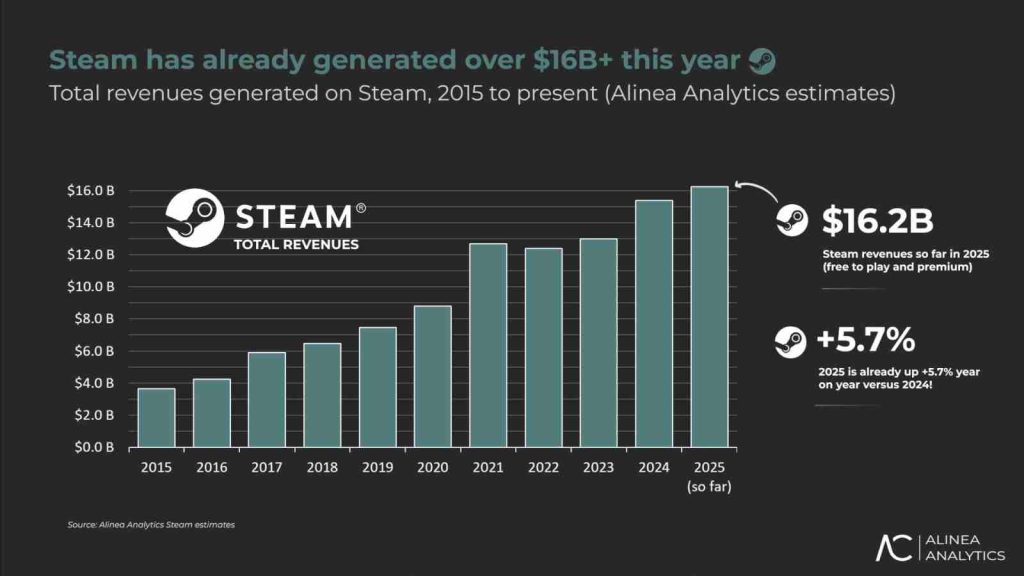
According to Alinea Analytics, Steam generated an estimated US$16 billion in revenue from January to November 2025, up 5.7% from 2024’s total.
“The company employee count between 2012 and 2021 averaged around 350 people, according to some estimates. This means that the gaming company is making almost $50 million per employee,” Tom’s Hardware Jowi Morales reported.
HoYoverse, despite dominating the gaming market with three major titles, is estimated to have made less than US$5 billion in total in 2025. This is based on partial data from Sensor Tower, a market intelligence company that provides analytics on mobile apps, including downloads, revenue, usage, and advertising performance.

Valve has a long history in gaming, shaping its industry through groundbreaking titles and innovations in digital distribution. The company created genre-defining titles like Half-Life, which revolutionized narrative-driven shooters, and its multiplayer sequel Counter-Strike, which became a cornerstone of global esports.
It also developed Dota 2, one of the world’s biggest competitive Multiplayer Battlefield Arena (MOBA) competitive games, as well as Team Fortress 2 and Portal.
Beyond game development, it operates Steam, the dominant PC gaming marketplace, which has played a central role in popularizing microtransactions and loot box systems across the industry.