Jujutsu Kaisen has always thrived on escalation, but Season 3 wastes no time reminding viewers that the series is done playing it safe. Produced by MAPPA and continuing the story created by Gege Akutami, the season marks the long-awaited start of the Culling Game arc, with its first episode set to air on January 8, 2026 on Crunchyroll.
In this Jujutsu Kaisen Season 3 review, I look at the opening moments of the Culling Game to give you a sense of what to expect. These moments have made it clear that the story has entered its most dangerous phase yet—one where survival is no longer guaranteed by strength alone. The rules are harsher, the margins thinner, and the consequences far more permanent.
| ENTER DEEPER FANDOM TERRITORY Who dies in Jujutsu Kaisen season 1? Every death explained Who dies in Jujutsu Kaisen season 2? And which characters might still be alive |
As someone who has followed the manga from start to finish, seeing these events finally animated carries a particular weight. The series has moved beyond shock value or raw spectacle; it now leans fully into calculated chaos, driven by clashing ideologies, long-running schemes, and characters forced to act without a safety net.
If Season 2’s Shibuya Incident was the breaking point, Season 3 feels like the aftermath—messier, colder, and far more deliberate.
Jujutsu Kaisen Season 3 premiere resets the board, but the rules are still unclear
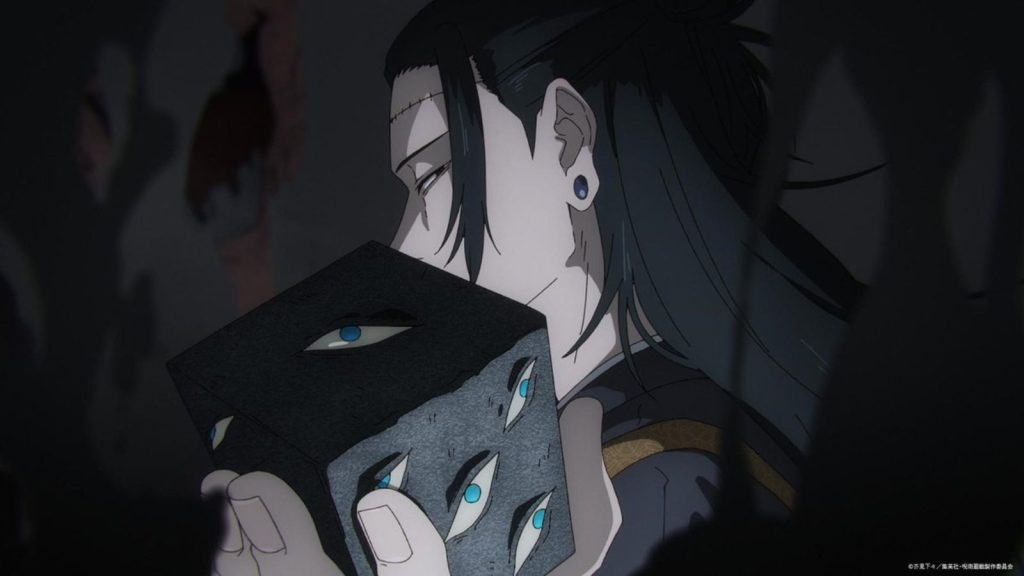
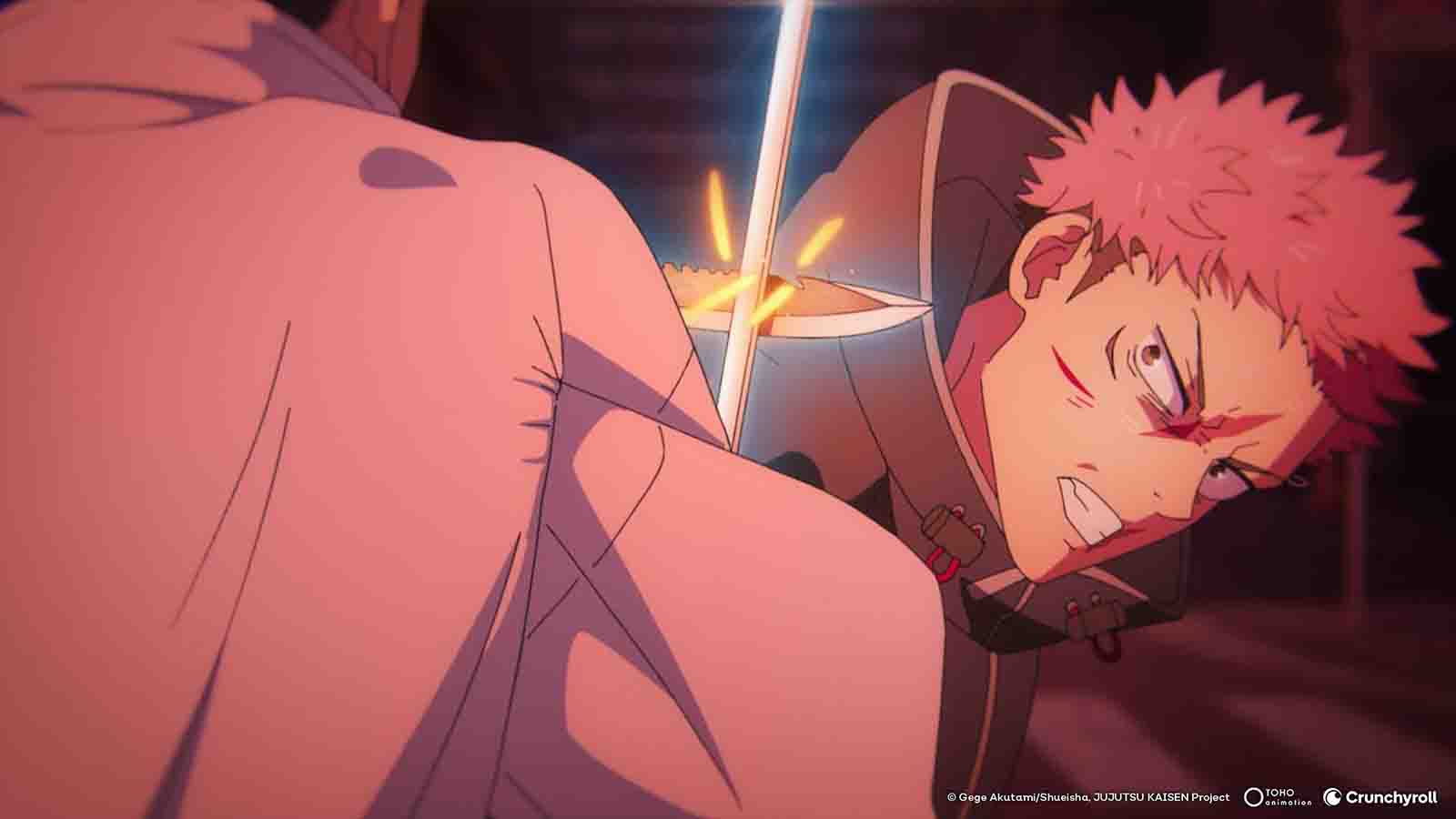
JJK Season 3’s premiere clearly tries to answer the questions left at the end of season 2. The first two episodes focus almost entirely on resolving the immediate fallout of the Shibuya Incident, specifically through the Yuji Itadori Execution arc. Right away, we’re shown that Yuta Okkotsu is tasked with appeasing the Jujutsu higher-ups by killing Yuji Itadori.
| SEE ALSO: Jujutsu Kaisen 2025 movie: Yuji’s backstory, Master Tengen, and the Culling Game explained |
By the end of these episodes, the playing field is relatively clear, at least on paper. Satoru Gojo remains sealed; Yuki Tsukumo openly disagrees with the Jujutsu higher-ups; the higher-ups themselves believe Suguru Geto is behind the current crisis and are acting against him; and Yuta is the only one who formally accepts their request. Those are the four special-grade sorcerers currently in play.
The series still doesn’t explain how much actual authority the Jujutsu higher-ups possess. Are they powerful in a combat sense, or are they powerful because they control the system, resources, and politics of the Jujutsu world?
The story hints that their influence comes from numbers and connections rather than strength, but Kenjaku has already destabilized that structure, making their leverage feel inconsistent.
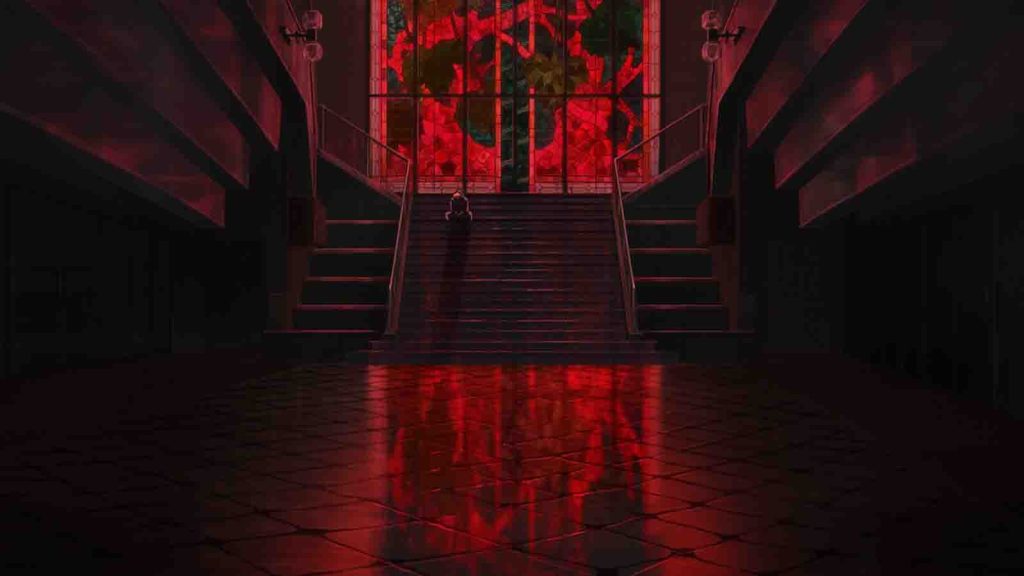
This is where the internal logic starts to break down for me. Yuji wasn’t executed right away because Gojo opposed it, and no one was able to overrule him. The moment Gojo was sealed, the execution order was immediately reinstated, which implies that raw power can override the Jujutsu higher-ups’ authority. But if that’s the case, the logic doesn’t fully add up.
With Gojo gone, Yuta is effectively the strongest active sorcerer, and he is also Gojo’s apprentice. If Yuta had openly opposed the ruling, it’s unclear who could have realistically stopped him. The series never fully addresses why Gojo’s authority was treated as absolute while Yuta’s strength seems to carry no comparable weight, creating a noticeable inconsistency in how power and control are portrayed.
Nonetheless, the Season 3 premiere succeeds at resetting the chessboard — but not necessarily at explaining why all the pieces still matter. It establishes where everyone stands going into the Culling Game, while exposing how much of the Jujutsu world still operates on assumed authority rather than clearly defined rules. Whether those gaps are intentional setups or unresolved weaknesses will be answered over the rest of the season.
Jujutsu Kaisen Season 3 animation changes how fights are shown
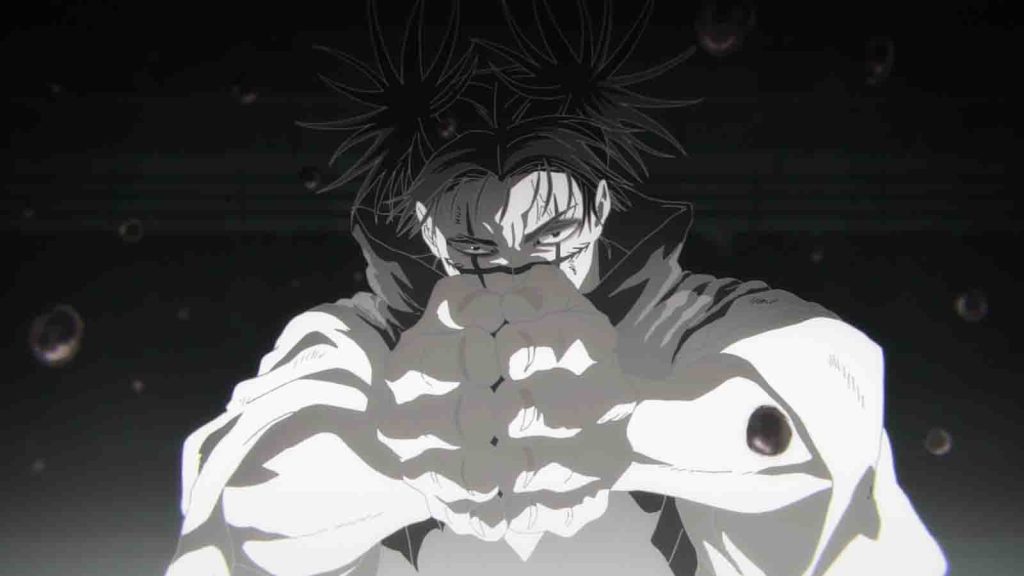
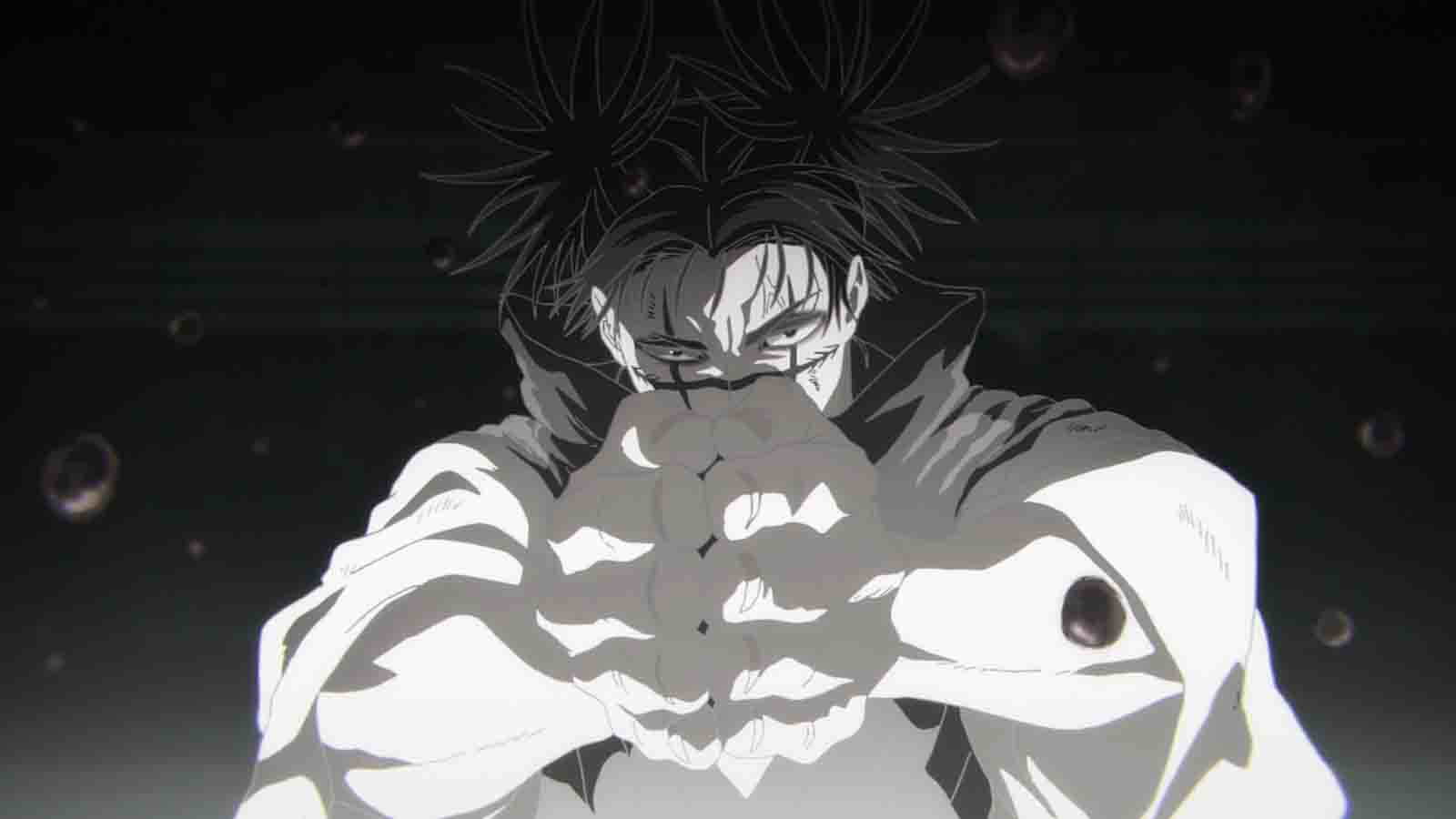
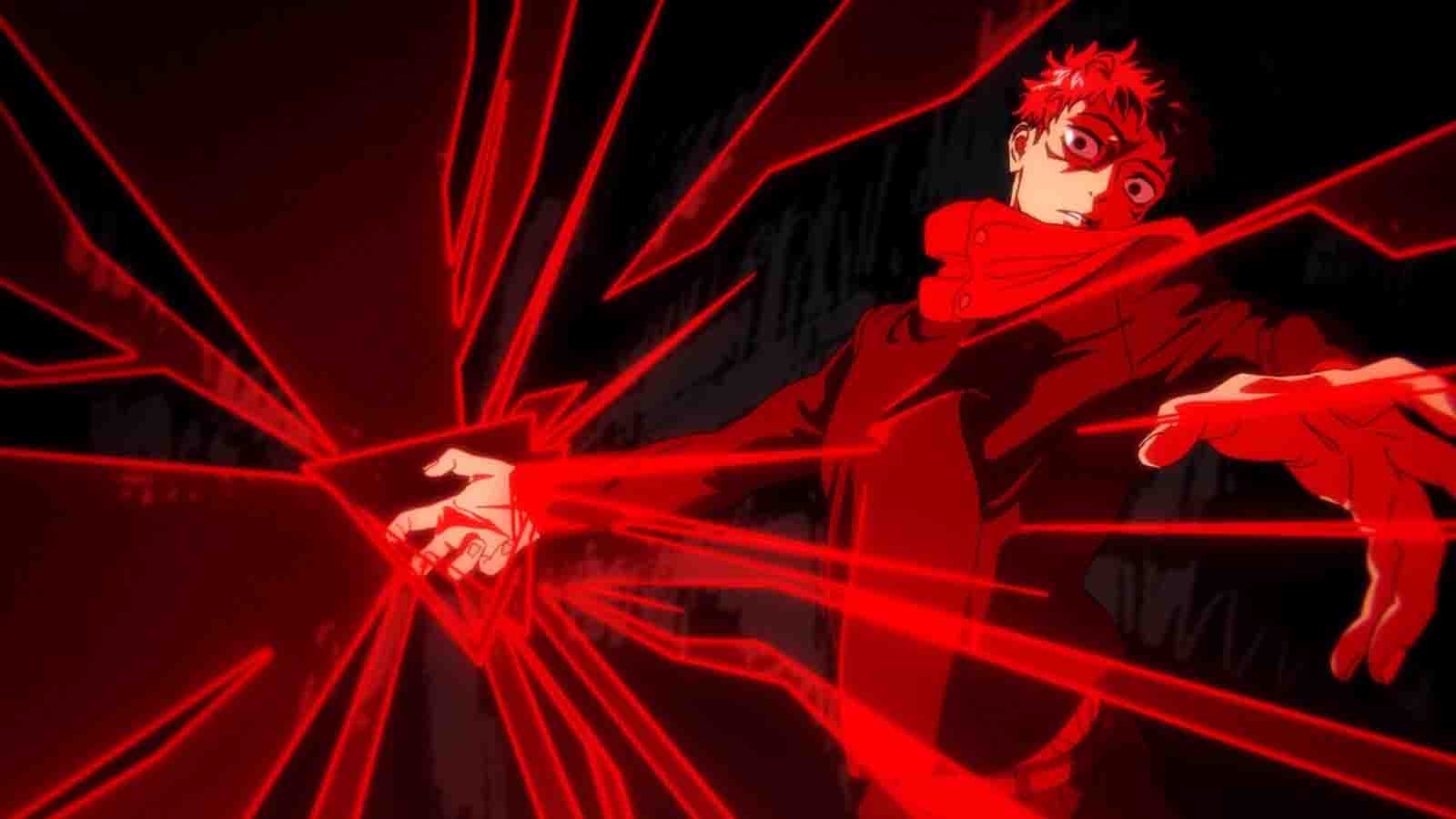
The Jujutsu Kaisen Season 3 animation makes an immediate stylistic statement, particularly during its early fight sequences. MAPPA continues to prioritize fluid motion and expressive action, but Season 3 leans more aggressively into a flatter visual approach during key moments—most notably through the use of kagenashi, an animation style that intentionally removes traditional shading to emphasize speed, form, and motion.
This approach is especially effective in the clashes involving Yuji Itadori, Yuta Okkotsu, Naoya Zenin, and Choso. Without heavy shadows or depth cues, the animation draws attention to raw physicality: body positioning, sudden shifts in momentum, and the inhuman speed at which these characters move.
The result? Action that feels less staged and more volatile, reinforcing the idea that these confrontations are happening faster than the eye can comfortably track.
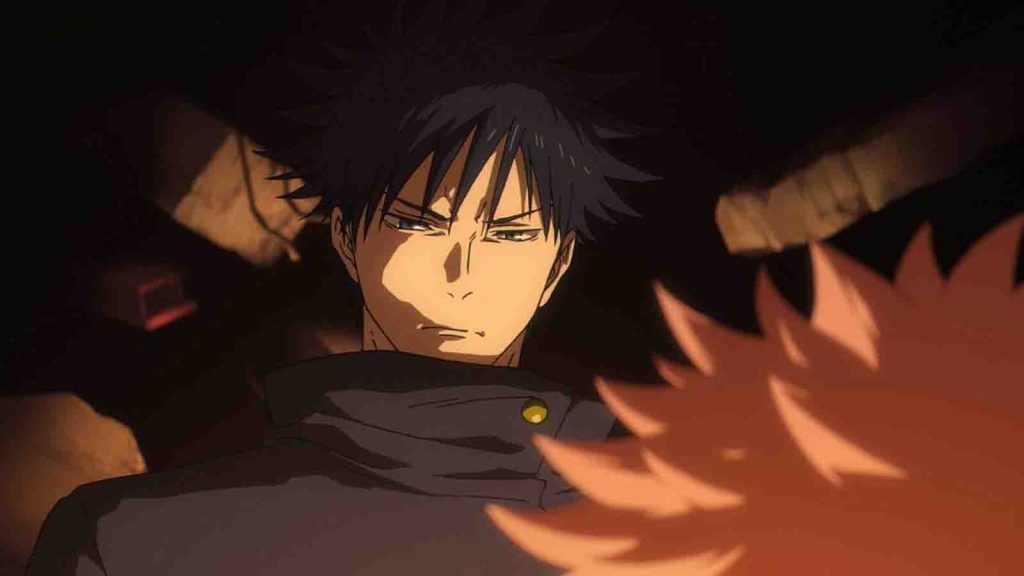
Kagenashi has been a divisive stylistic choice among fans, with some viewing it as unfinished or visually sparse. However, in Season 3, it serves a clear purpose: by stripping away visual weight, the animation highlights how far removed these characters are from normal human limits, allowing impact and emotion to carry scenes rather than polish alone.
Paired with sharp camera movement and tightly framed choreography, Season 3’s animation reinforces the series’ shift in tone. These are not clean, heroic battles; they are chaotic, sudden, and often overwhelming.
Even within the relatively contained scope of the Yuji Itadori Execution arc, the animation makes it clear that Jujutsu Kaisen is preparing viewers for a far more relentless pace moving forward.
Is Gojo in Jujutsu Kaisen Season 3?
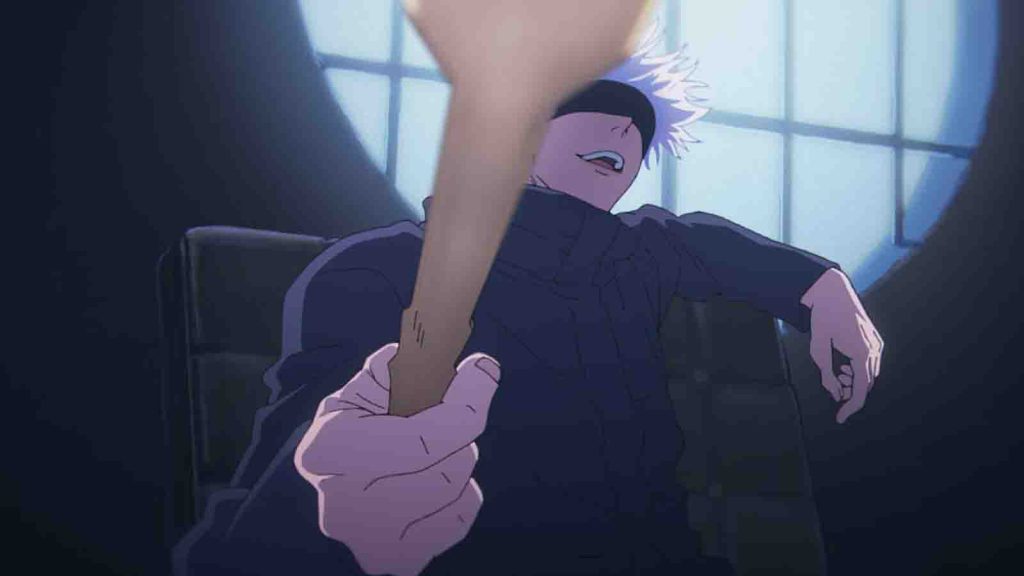
Satoru Gojo does appear in a flashback scene in the opening episodes of Jujutsu Kaisen Season 3, but he does not play an active role in the next arc of the anime. Based on what’s shown so far, his involvement is limited to past events, and nothing suggests he will reenter the narrative as the Culling Game unfolds.
This also aligns with the announced Japanese voice cast, where Yuichi Nakamura, Gojo’s longtime voice actor, is not listed.
If you’re a big Gojo fan, it’s worth setting expectations early as Season 3 is shaping up to feature the fewest Gojo appearances in the series so far. That absence isn’t accidental. The Culling Game is built around a world where no single sorcerer can reset the balance, and Gojo’s continued removal forces the story to operate without its usual safety net. The result is a harsher, more unforgiving arc where every fight carries lasting consequences.
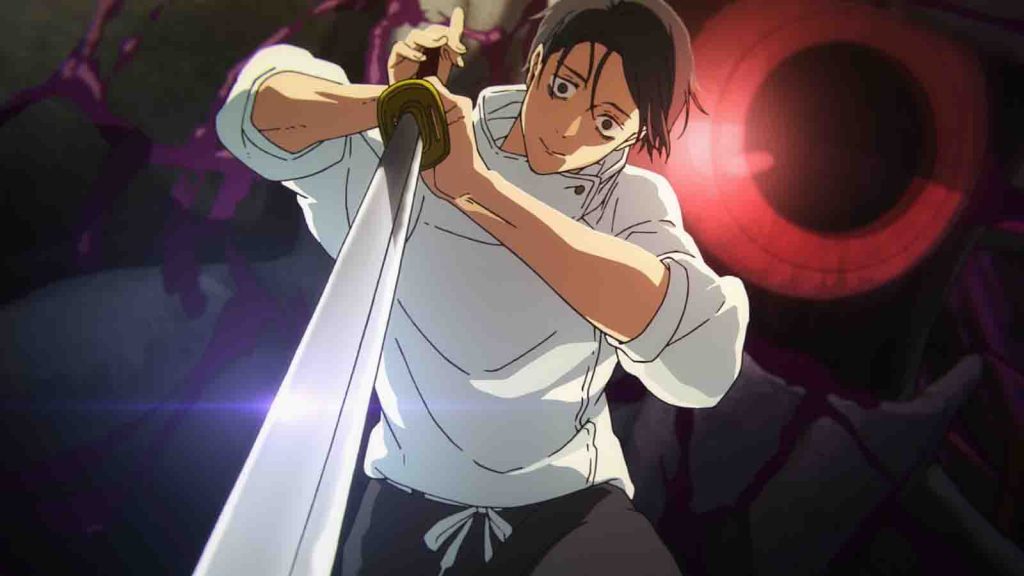
Notable characters in Season 3
That vacuum is quickly filled by more abrasive and dangerous personalities, including Naoya Zenin, who is voiced by Koji Yusa. Yusa is well known for roles like Gin Ichimaru in Bleach, Ayumu Tojo in Gintama, and Jikka Yamada Asaemon in Hell’s Paradise.
Behind the scenes, MAPPA’s returning production team plays a key role in making this shift work. The Culling Game features plenty of spectacle, but its biggest moments are distributed across multiple colonies instead of building toward one central disaster.
With Jujutsu Kaisen’s blue-eyed king sidelined, the production leans on pacing, choreography, and character framing to maintain tension over time. The result is a season that feels intentionally unbalanced—by design—and far less forgiving than anything the series has done before.
Why the Culling Game is Jujutsu Kaisen’s most ambitious arc yet
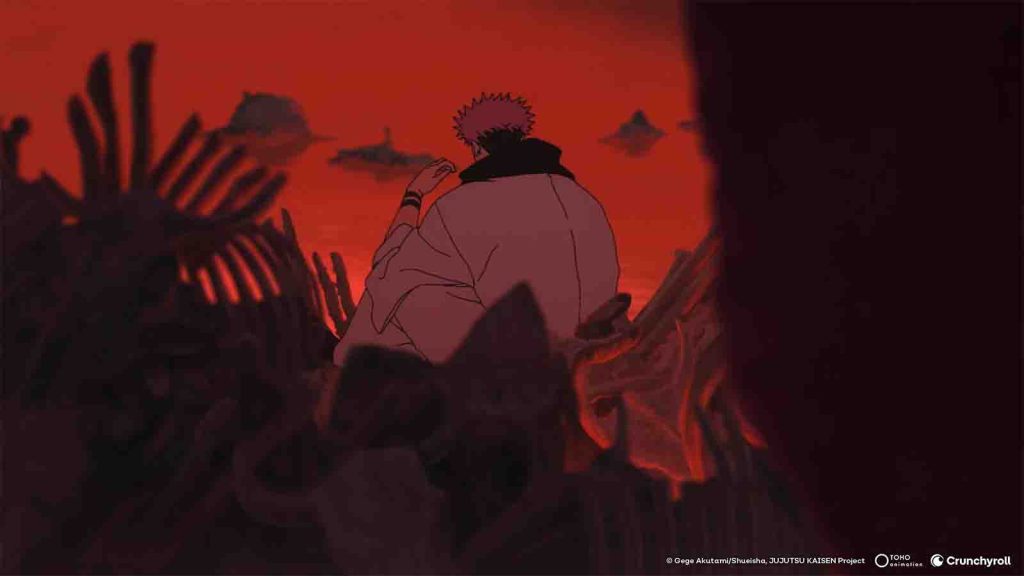
As someone who has read the manga, I think it’s important to say this up front: the buildup to the Culling Game carries real weight, and once it properly begins, the story never really lets up.
Season 2 closed the book on several long-running arcs—most notably with the deaths of the special grade curses Hanami, Dagon, Jogo, and Mahito. With those central antagonists gone, Jujutsu Kaisen is no longer circling familiar threats. It’s clearing space for something much bigger.
That “something bigger” is the Culling Game, and it brings with it a massive influx of new characters. For some fans, that sudden shift can feel risky, or even alienating.
The Culling Game is the longest arc in the series at 63 chapters, and it introduces fighters at a rapid pace, many of whom arrive with little exposition or context. Combined with a world where the rule is essentially “fight first and ask questions later,” it’s easy to see how this could become overwhelming, especially for anime-only viewers.
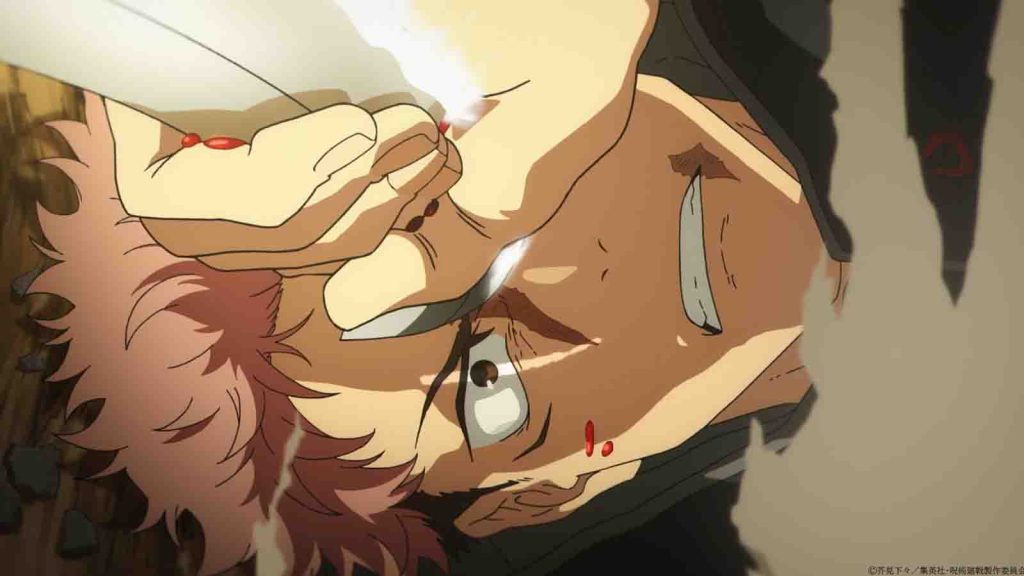
But this is also where Jujutsu Kaisen tends to shine. One of the series’ strongest traits has always been its ability to introduce new characters quickly and drop them into large-scale set pieces that immediately test their limits.
We saw this play out during the Shibuya Incident, where heroes and villains collided under extreme pressure, forcing constant escalation and snap decisions. The Culling Game takes that same design philosophy and applies it on a much larger canvas.
The way I see it, the Culling Game is essentially a larger sample size of what made Shibuya work—more characters, more unpredictable matchups, and far higher stakes. It’s messier by design, and it’s not interested in easing the audience in.
This approach might leave you with more questions than answers at first, but if the series sticks to what it does best, those questions are exactly what keep the tension high and the momentum moving forward.
Jujutsu Kaisen Season 3 review score

| JUJUTSU KAISEN REVIEW | SCORE |
| Story: narrative and writing | 7/10 |
| Characters | 9/10 |
| Visuals and animation | 8/10 |
| Music and sound | 8/10 |
| Pacing and structure | 8/10 |
| Overall | 8/10 |
At its core, Jujutsu Kaisen has never been an easy series to follow. Its premise is layered with shifting rules, overlapping schemes, and long-running setups that can feel convoluted, especially as the story expands. However, what the series sometimes lacks in immediate clarity, it more than makes up for through its character work and escalation.
From distinctive character designs to carefully considered power scaling, the anime consistently frames its battles around believable strengths, limitations, and matchups. Combined with large-scale set pieces that reward attention and speculation, Jujutsu Kaisen remains one of the most compelling modern anime when it comes to sustained tension and payoff.
Watch Jujutsu Kaisen Season 3 on Crunchyroll when it releases on January 8, 2026.