Scroll through any anime fan community long enough and you’ll start noticing a certain type of fan.
They’re usually the loudest in the comments, the most dedicated shippers, and the ones turning every male friendship into a love story before the first episode is even over.
| FELLOW PERSON OF CULTURE, COME, GO DEEPER Where to read Boys Love manhwa legally: All best apps and sites Where to read Boys Love manga: All best apps and sites |
They call themselves fujoshi—it’s not just a labelor millions of fans around the world, it’s an identity.
So what is fujoshi and what is fudanshi, exactly, and why has this corner of fandom culture grown into something so globally recognized?

What is fujoshi?
The term fujoshi comes from Japan, where it became popular in the early 2000s as the internet and otaku culture began to boom.
Translated literally, fujoshi means “rotten girl” — a tongue-in-cheek label that the community actually reclaimed and made their own. Far from being an insult, most fujoshi use the term proudly and with a lot of humor.
So what is a fujoshi fan, exactly? A fujoshi is a female fan who loves Boys’ Love (BL) content at its core, though the term has expanded over time. This includes yaoi manga, BL anime, slash fanfiction, and any story that centers on a romantic or emotional relationship between two male characters.
While fujoshi started as a distinctly Japanese term, it has since gone global. Today, it applies to BL fans across all cultures and languages. If you love BL, the label fits regardless of where you’re from.
What makes fujoshi culture particularly interesting is the way fans deal with media that wasn’t necessarily designed to be romantic at all, finding chemistry and subtext between male characters in mainstream anime, movies, and even video games.
This kind of fan engagement isn’t unique to Japanese media either — fujoshi around the world apply the same lens to Korean dramas, Western TV shows, and everything in between.
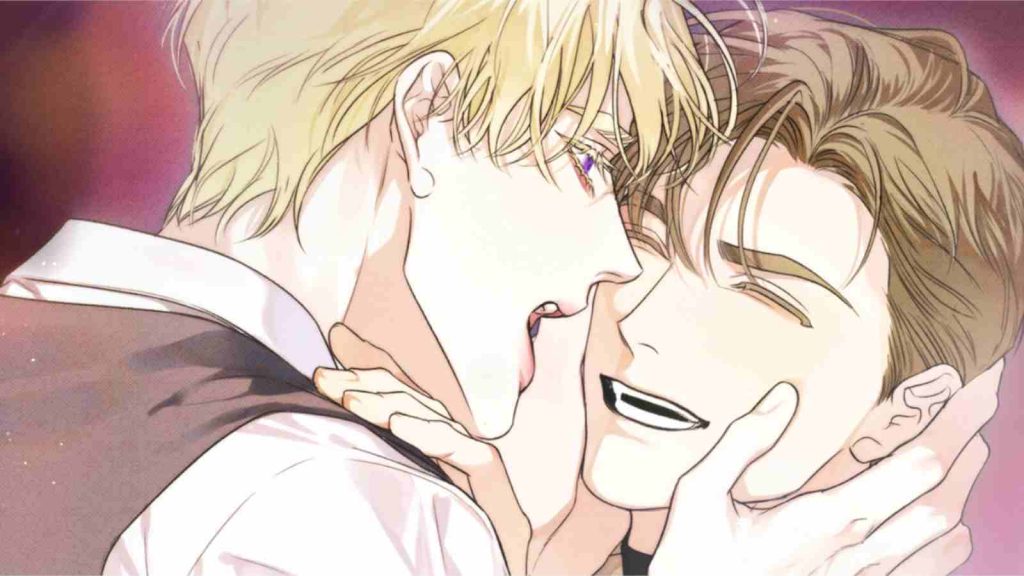
What is fujoshi culture without its community, though? That’s really where it comes alive.
Fujoshi fans are known for being deeply passionate, wildly creative, and chronically online. Fan art, doujinshi (self-published fan comics), fanfiction, and endless discussion threads are all part of how fujoshi take part in the stories and characters they love.
The fujoshi fandom originated in Japan but has since spread worldwide, finding massive audiences in East Asia, Latin America, Europe, and beyond. Several platforms have given fujoshi communities a global stage, including Twitter/X, TikTok, and AO3.
What is fudanshi and what is a fudanshi, exactly?
But the Boys Love fandom isn’t a girls-only club. Enter the fudanshi.
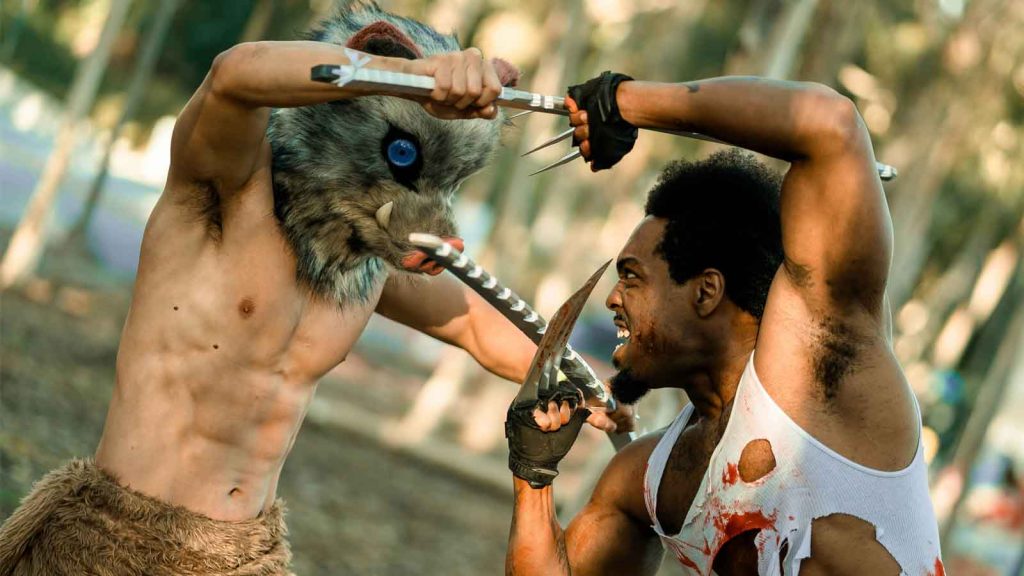
The term fudanshi is essentially the male equivalent of fujoshi, which is a male who loves Boys’ Love content: yaoi manga and manhwa, BL anime, and everything that comes with it.
Just like fujoshi, fudanshi are fans who are drawn to romantic and emotional stories between male characters. The difference is simply gender.
Where fujoshi traditionally refers to female fans, fudanshi refers to male fans who enjoy the same genre. The word itself follows the same logic — “fudanshi” swaps the kanji for “girl” (女子) with the kanji for “boy” (男子), keeping the same “rotten” prefix that the fujoshi community made famous.
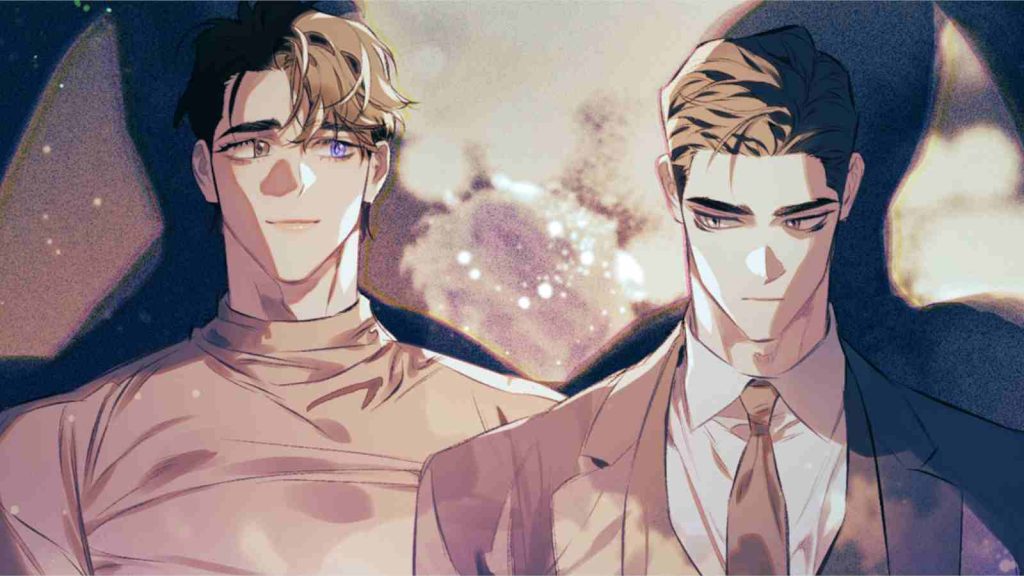
For a long time, male BL fans were a quieter presence in fandom spaces — not because they didn’t exist, but because the genre was so heavily associated with a female audience that many fudanshi fans kept it to themselves.
However, that started to change as BL went mainstream and fandom culture became more open. Today, fudanshi are a recognized and celebrated part of the BL community.
What is fujoshing?
If fujoshi is the term, then fujoshing is the verb. Fujoshing is what fujoshi actually do when they watch, read, or play something and start seeing romantic potential between male characters that the original creators never explicitly intended.

It is the act of looking at a friendship, a rivalry, a mentor-student dynamic, or even a single meaningful glance between two male characters and thinking, there’s something there.
It doesn’t matter if the source material is a shonen anime (Blue Lock, ahem ahem), a Hollywood action movie, or a video game. If there are two male characters with chemistry, fujoshing is already happening somewhere in the fandom.
You’ll usually encounter the term fujoshing in online fan spaces like Twitter/X, Tumblr, TikTok, Reddit, and fan forums. Someone might post a clip from a sports anime and caption it “I can’t stop fujoshing this show,” or a fan might admit in a thread that they went into a movie just to fujoshi the two male leads.

It’s used with a lot of self-awareness and humor, which is very on-brand for fujoshi culture overall.
What makes fujoshing interesting is that it’s not really about the content itself, but about how fans engage with it.
When you think about what is fujoshing all about, it is a creative act. It’s the foundation of fan art, fanfiction, and doujinshi. It’s what turns a completely platonic anime into a fandom obsession overnight.
The Fujoshi and Fudanshi culture today
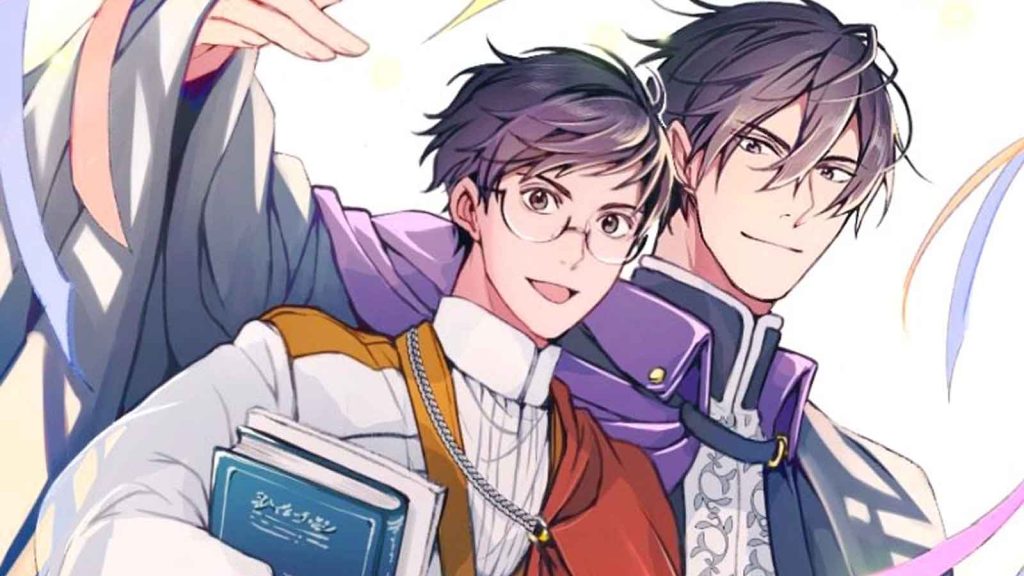
Fujoshi and fudanshi culture have come a long way from their origins in early 2000s Japanese internet forums.
A lot of that has to do with how mainstream BL has become. Boys’ Love content is no longer tucked away in the corners of manga shops or fan convention tables.
Anime adaptations of BL manga are getting proper studio treatment and wide releases. Live-action Thai and Chinese BL dramas in particular, are a phenomenon of their own. These markets even adapt other Asian-produced works into live-action, such as Payback, which is based on a Korean manhwa.
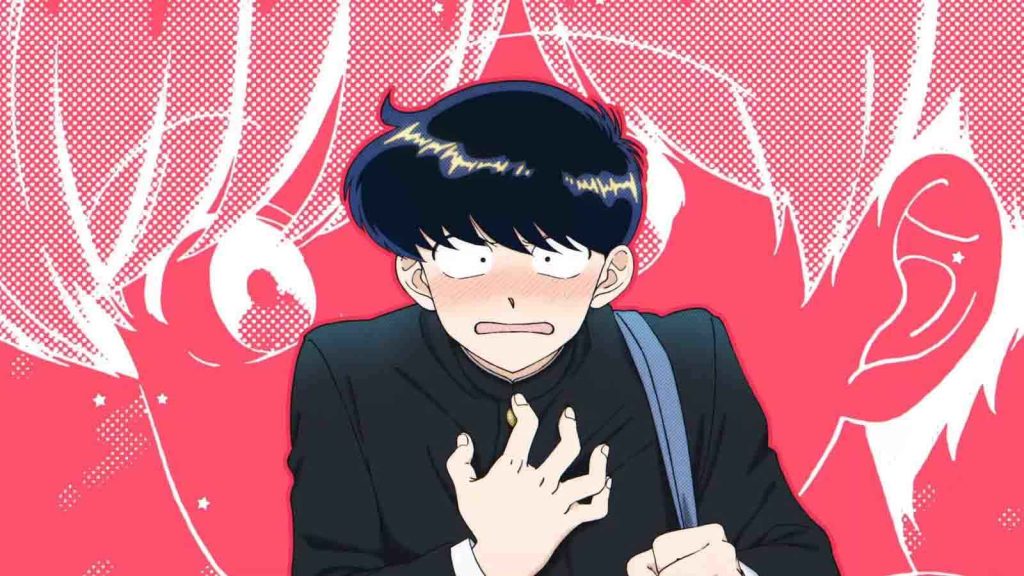
Online platforms have played a huge role in bringing fujoshi and fudanshi fans together across borders and languages. A fan in Brazil, a fan in the Philippines, and a fan in Germany can all be fujoshing the same show at the same time by sharing fan art, writing fanfiction, and building a community around the same characters and ships.
What’s also shifted is the openness around the identity itself. Fujoshi and fudanshi fans are increasingly unapologetic about what they love, bringing a playful, down-to-earth energy that makes the community genuinely welcoming to newcomers.
On the anime side, titles like Go For It, Nakamura-kun! capture exactly the kind of sweet, sincere BL storytelling that keeps fujoshi and fudanshi communities passionate and growing.
BL isn’t a niche anymore—and neither are the fans who make it what it is.