Updated on May 25, 2026 at 12:10am: Kei Urana deleted her X account on May 24. Links to her posts have been removed.
Gachiakuta author Kei Urana has addressed the ongoing issue of manga piracy head-on, following a question from a fan that quickly escalated into a wider debate online.
The sequence of events began on April 16, 2026 when a fan asked Urana on X (formerly Twitter) whether it was legal to read Gachiakuta through Discord—implying the existence of channels where chapters are uploaded and shared for free.
| USE THESE PLATFORMS INSTEAD Discover manga the magazine way: 12 countries, 5 top publishers, endless titles How to get free coins on Webtoon: Legitimate ways to earn, save, and maximize |
The original post has since been deleted, but Urana’s reply was direct and unambiguous.
“That is illegal,” she responded.
Gachiakuta author speaks out on illegal manga reading
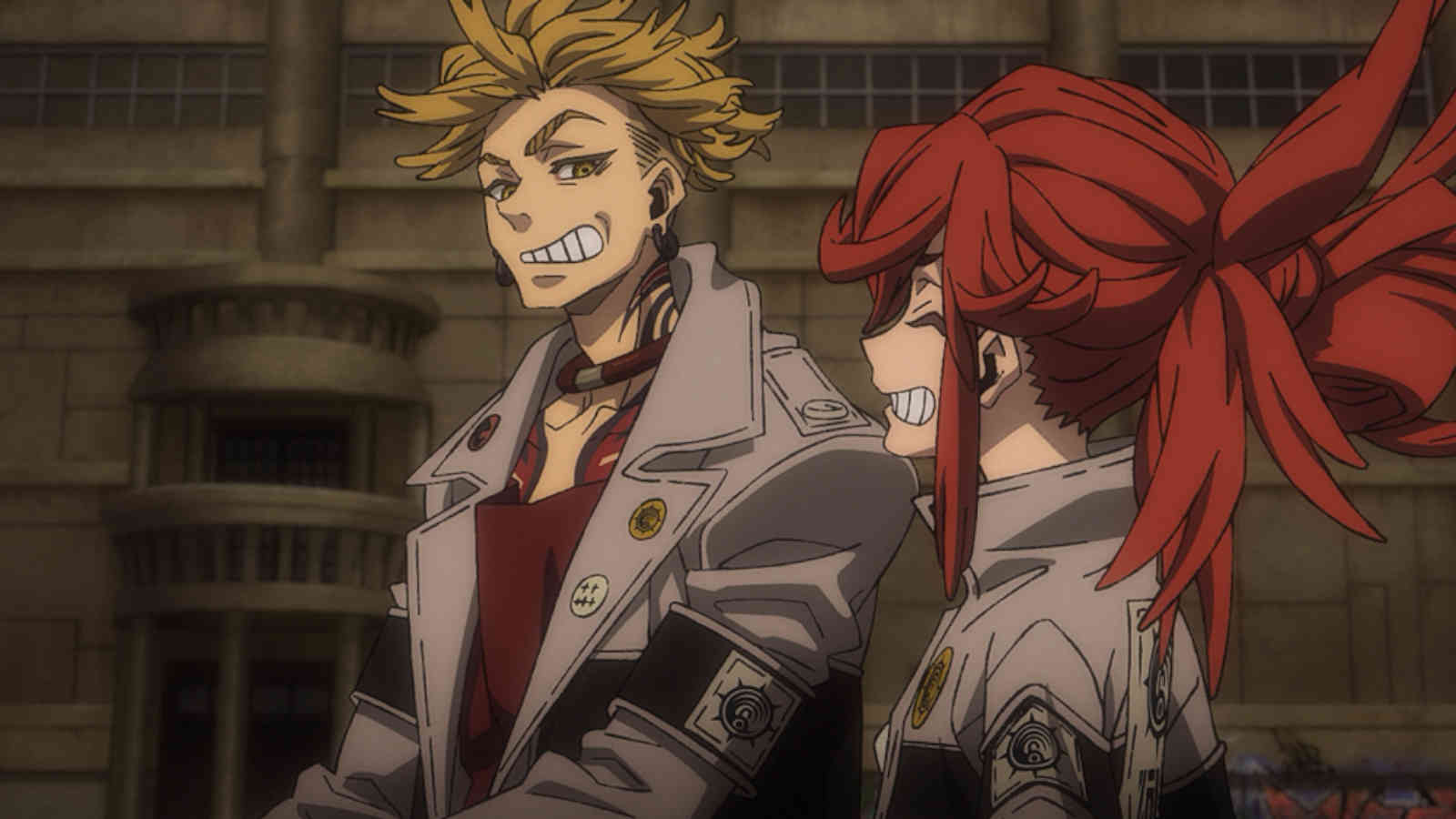
What might have ended as a brief clarification instead sparked a broader conversation about piracy, accessibility, and the value of creative work—one Urana chose to address in detail.
In a follow-up statement posted today, April 21, 2026, Urana explained that she had spent several days researching the issue across different countries, including the financial realities many readers face.
She acknowledged that, for some, piracy is not simply a choice but a limitation. She said she understands “that for many people, pirate sites are the only way they can read manga,” adding that she is aware prices can be significantly higher overseas.
Urana also noted that some fans had discouraged her from even raising the topic. However, she pushed back on that idea, arguing that silence carries its own consequences.
“If we do not speak up now, the value of Japanese manga and creative works… will be wasted,” she wrote in English with the aid of a translation app.
Her statement frames piracy not just as a legal issue, but as something that could erode the long-term cultural and creative value of the medium itself.
Challenging the “free doesn’t hurt sales” manga piracy argument
Urana also directly addressed a common claim within piracy discussions—that reading manga for free does not negatively impact sales.
She firmly rejected that notion.
“That is not true. ‘Free’ lowers the value of things.”
According to Urana, once audiences grow accustomed to free access, they may stop seeking out legitimate versions altogether.

At the same time, she acknowledged that dedicated fans who truly love a series often choose to support it properly.
Still, her core concern goes beyond revenue alone. As she explained, while compensation matters, she is equally focused on preserving the perceived worth of the work itself.
Efforts to improve legal access to manga and ongoing challenges
Despite her strong stance against piracy, Urana emphasized that she is not ignoring the accessibility problem.
She revealed that she and collaborator Hideyoshi Ando have been exploring ways to make their work more available to readers who cannot afford it or lack access through official channels.
While she did not share specifics, the Gachiakuta author confirmed that ideas are actively being considered.
Publishers, she added, are also working toward solutions—though progress takes time.Urana asked fans for patience, noting that delays should not be met with hostility.
She specifically addressed criticism she has seen online, including accusations of racism and claims that piracy acts as “free promotion.”
She described such arguments as misguided, urging readers to consider the perspective of creators and the cultural context behind their work.
A personal note on creating Gachiakuta
Urana also took a moment to reflect on the creative process behind Gachiakuta. While she originally intended to create manga independently—and remains the primary artist—she ultimately chose to collaborate with Ando.
She cited both his artistic talent and his ideas on how to bring a work to audiences as key reasons for the partnership.
It’s a reminder that manga creation is rarely a solo effort, and that the final product reflects contributions from multiple voices working toward a shared vision.