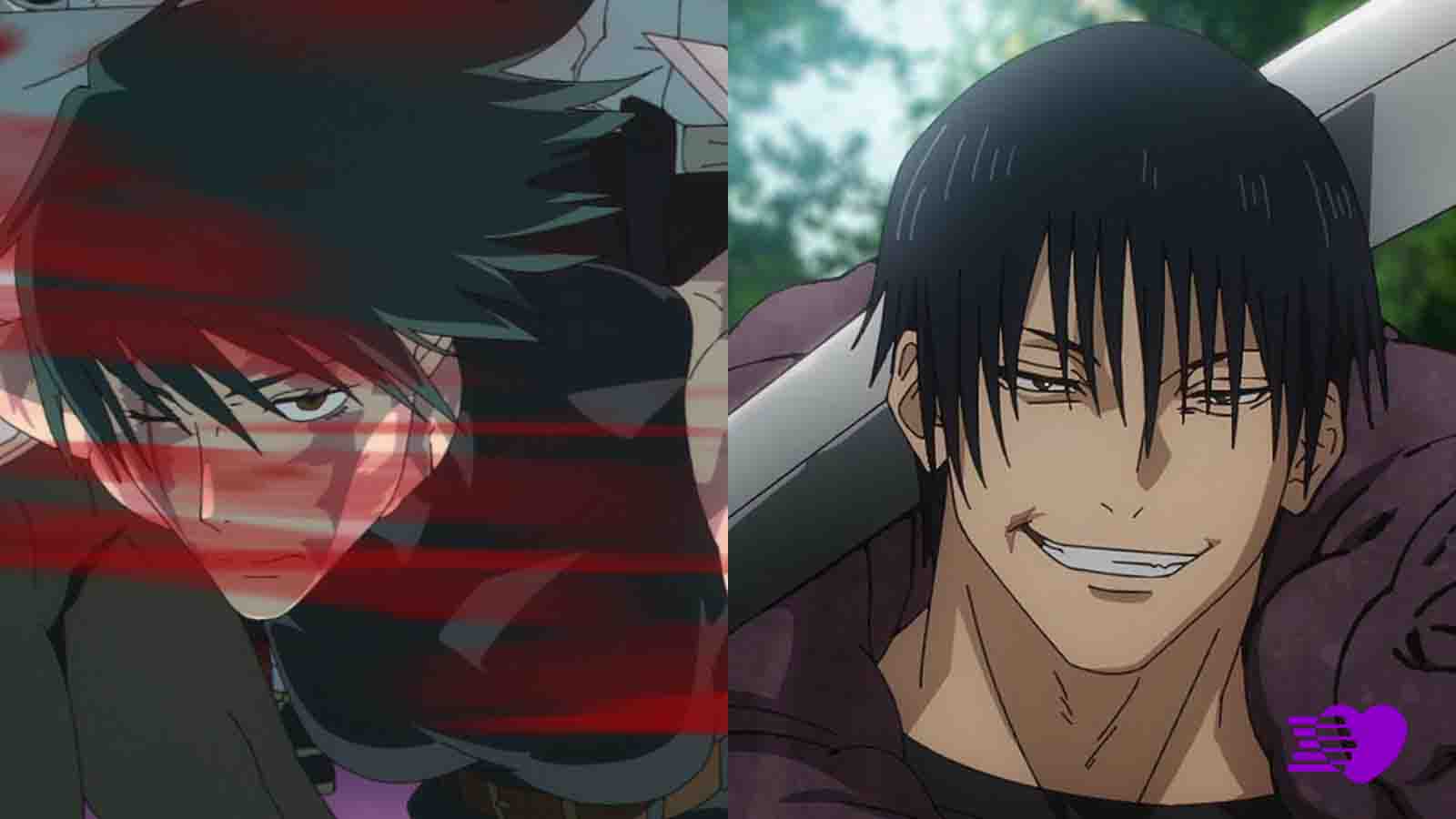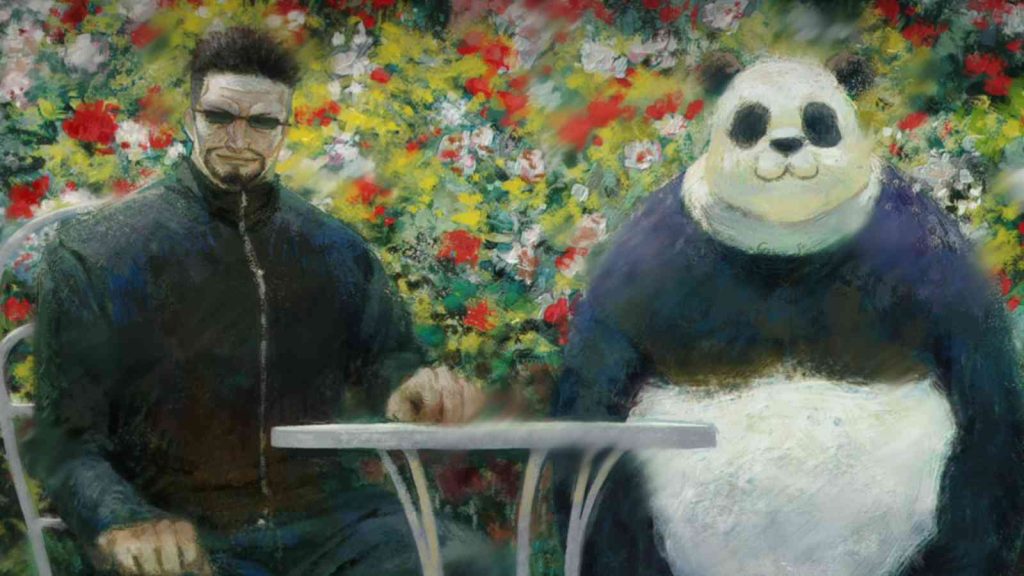
The Jujutsu Kaisen Season 3 opening is packed with action and symbolism, but one hidden reference managed to slip past most fans.
While viewers were focused on the high-energy visuals teasing the Culling Game arc, the sequence quietly nods to both Western and Japanese art.
| GO DEEPER INTO JJK Why do Maki and Mai Zenin hate each other so much in Jujutsu Kaisen? Maki vs Toji: Who’s actually stronger in Jujutsu Kaisen? We break down their true powers |
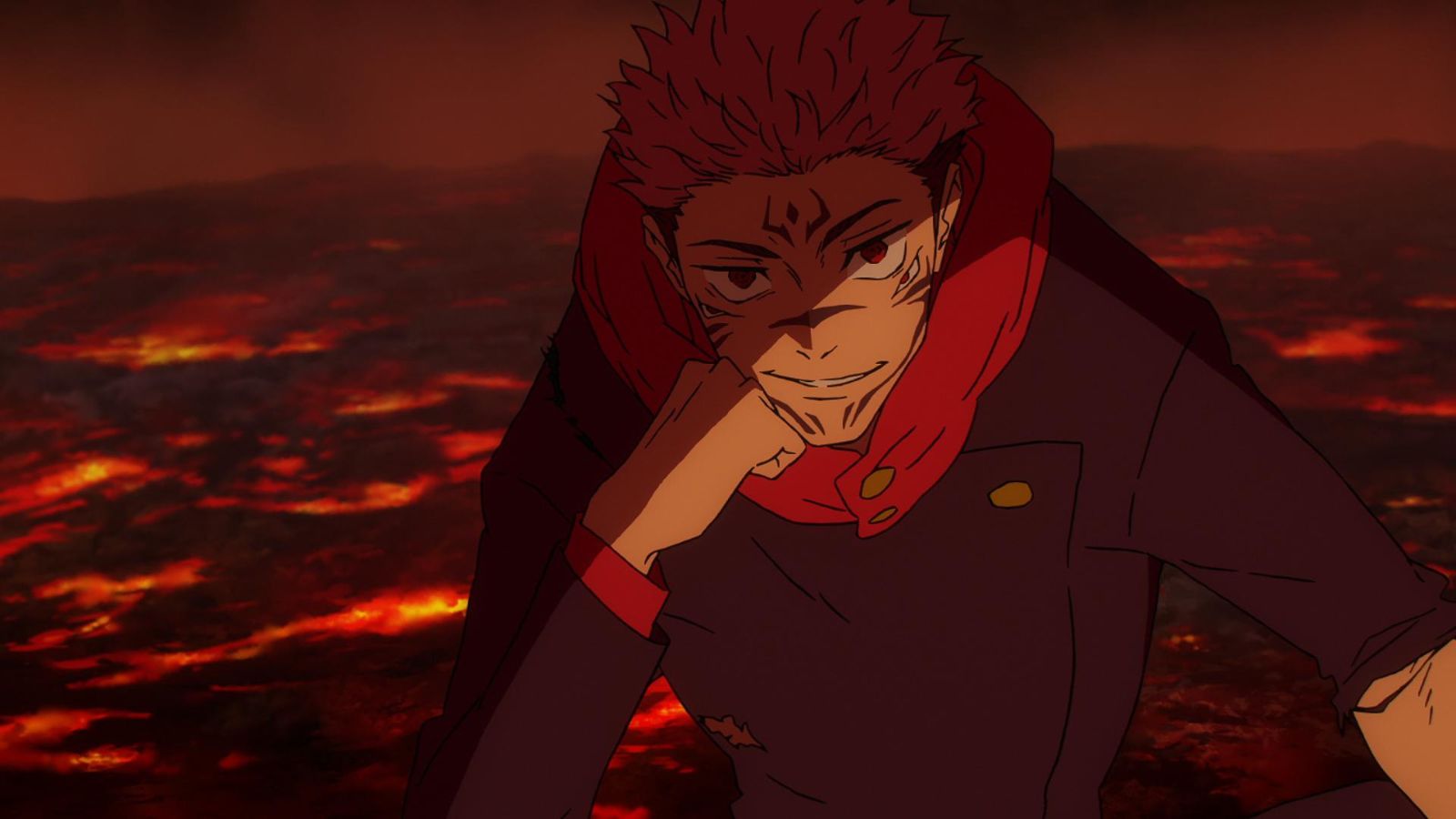
Shots echo John Everett Millais’ Ophelia, Edvard Munch’s The Scream, and Egon Schiele’s Dead Mother to name a few, each reflecting the characters’ struggles and emotional stakes. MAPPA’s mix of anime action and painterly imagery turns the opening into more than just a teaser — it’s a reward for anyone paying close attention.
However, one subtle reference has largely gone unnoticed, probably because it appears so briefly and the link hasn’t been recognized — until now.
Spoiler warning: The following sections contain narrative and character details revealed in Jujutsu Kaisen Season 3.
The one Jujutsu Kaisen Season 3 opening reference no one is talking about
Red is a symbolic color in JJK Season 3
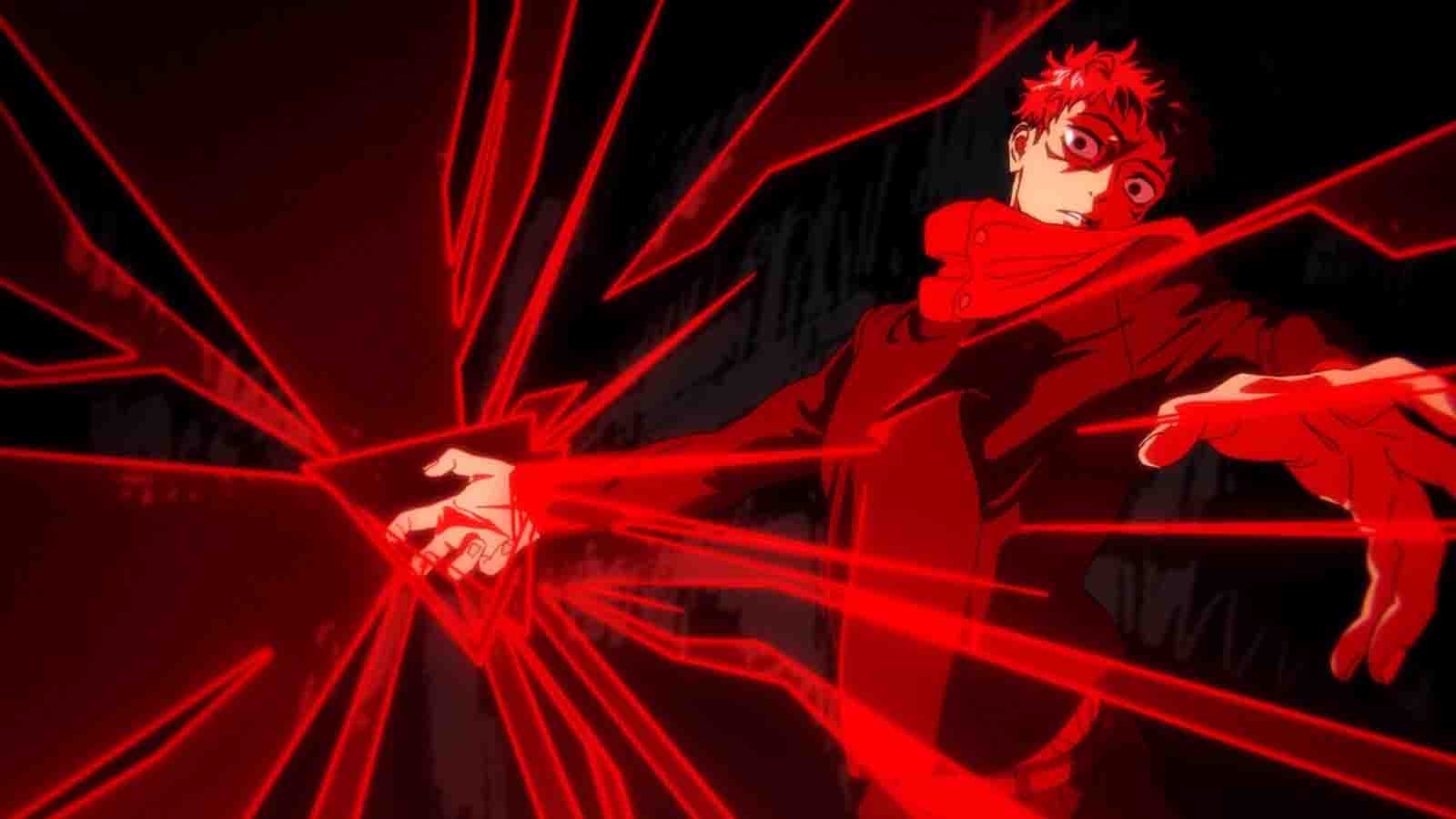
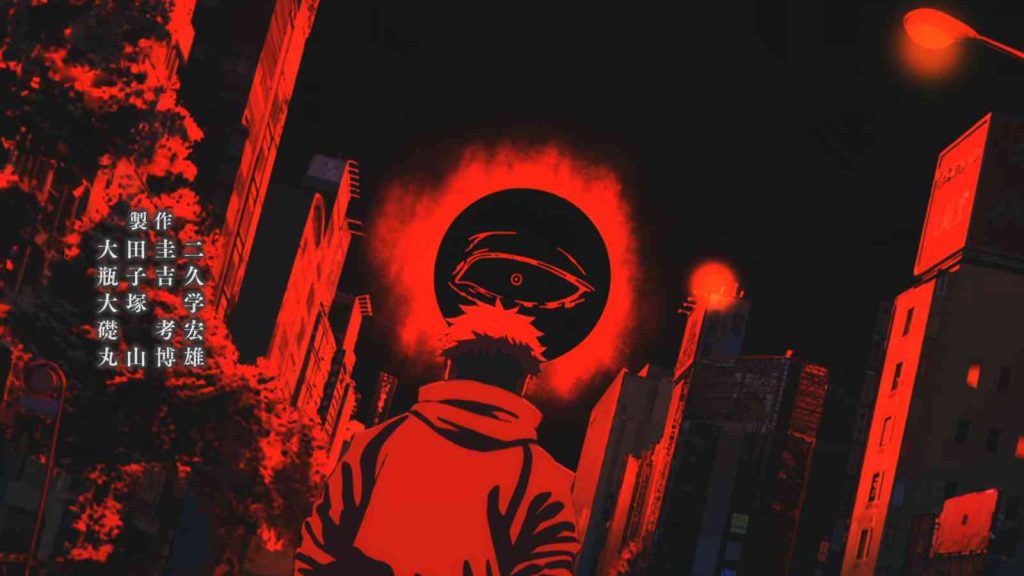
One of the very first frames in the Jujutsu Kaisen Season 3 opening that lingers is a scene showing Tokyo shrouded in ominous red light with dark, black shadows.
The colors and highly contrasting tones foreshadow the Culling Game arc — one that’s filled with unpredictability, violence, bloody deaths, and mysteries waiting to be uncovered.
| ALL YOU NEED TO KNOW ABOUT SEASON 3 Who dies in Jujutsu Kaisen Season 3 based on the manga Jujutsu Kaisen Season 3 guide: Characters, episodes, voice actors |
The color red itself is likely referencing the idiom “paint the town red,” where you expect people to go out, have fun, be loud, and maybe a little reckless.
It’s used ironically here, of course, because there’s nothing fun about Sorcerers and humans going out into the colonies and being forced to kill each other for the sake of survival. The only person having fun, really, is Kenjaku, who observes from above.
Surveillance and imprisonment are major themes in JJK Season 3
The all-seeing Kenjaku eye
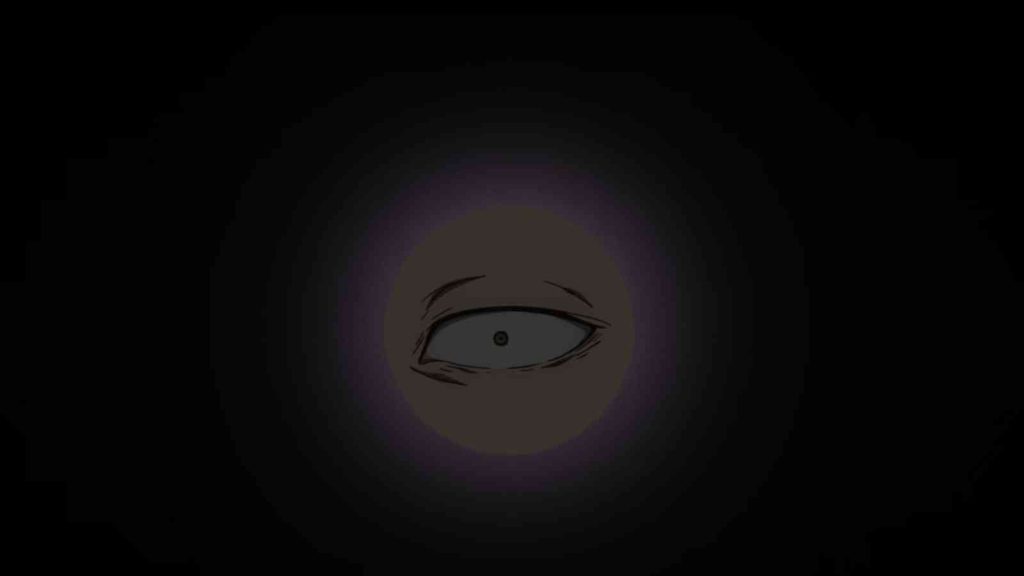
Kenjaku’s eye — well, technically, Suguru Geto’s — keeps popping up in the Jujutsu Kaisen Season 3 opening sequence. As it fixes its gaze on Yuji, it feels as though it’s also staring straight at us: an ominous reminder that we’re no longer just observers, but witnesses to what’s coming in the Culling Game arc.
The imagery strongly recalls the Eye of Sauron in one of the most epic fantasy stories of all time, the Lord of the Rings.
JRR Tolkien’s legendary tale follows a small group of Hobbits tasked with destroying a powerful ring that would allow an ancient dark force to dominate the world.
Just like in Season 3, a small group of sorcerers are brought together by circumstance — Yuji Itadori, Yuta Okkotsu, Megumi Fushiguro, Maki Zenin, Choso, and Yuki Tsukumo — as they attempt to stop Kenjaku from merging all humans in Japan with Master Tengen and, at the same time, figure out how to free Satoru Gojo from the Prison Realm.
As they make their moves, Kenjaku watches ominously, much like the Eye of Sauron, a symbol of constant surveillance and an unrelenting desire for total control.
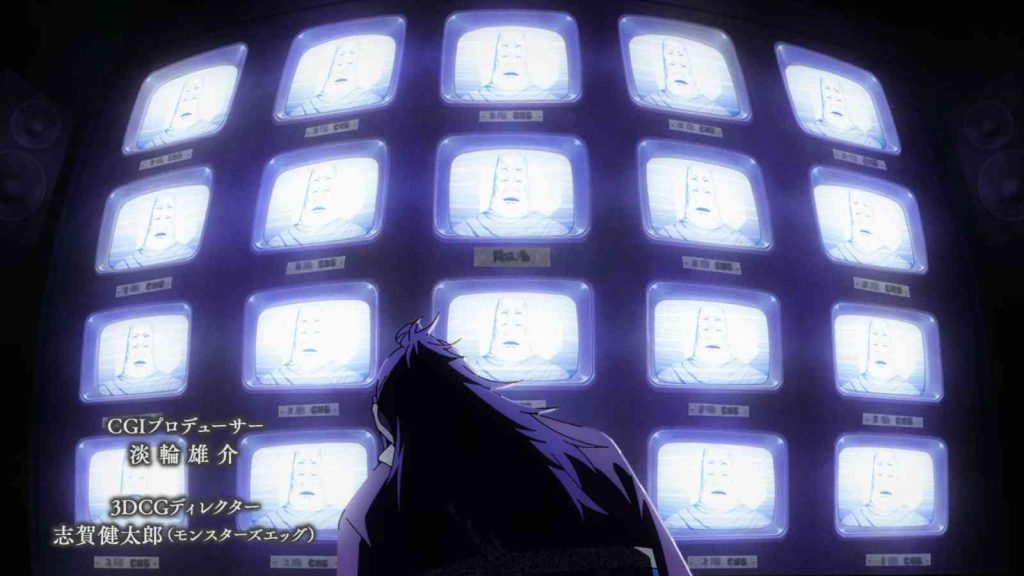
The symbolism deepens when, later on in the opening sequence, we see Kenjaku observing rows and rows of brightly lit security monitors, all showing the same image: Master Tengen.
The constant surveillance and looming inevitability suggests an all-seeing presence, creating the uneasy sense that nothing escapes its notice, not even the audience watching from the outside.
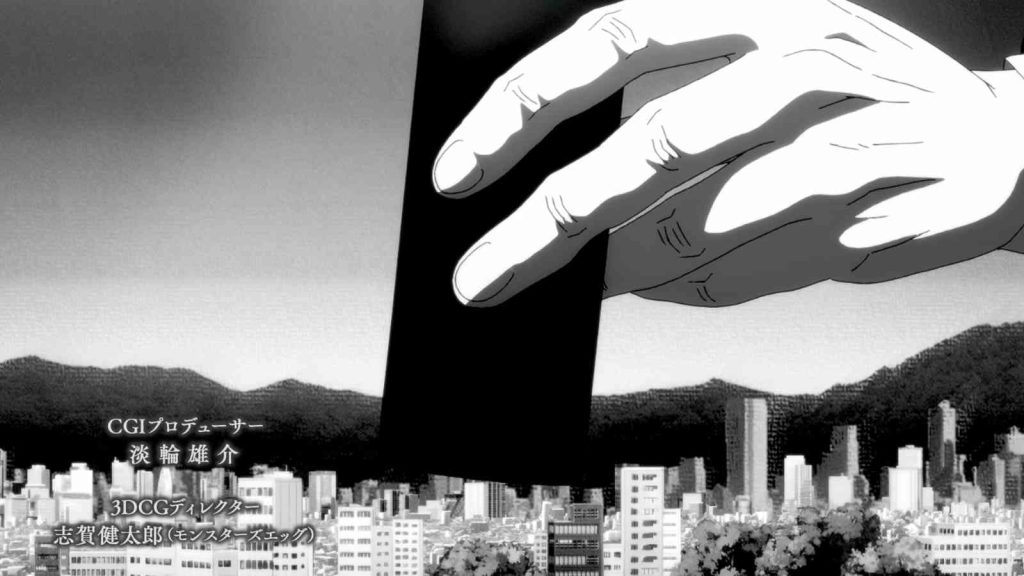
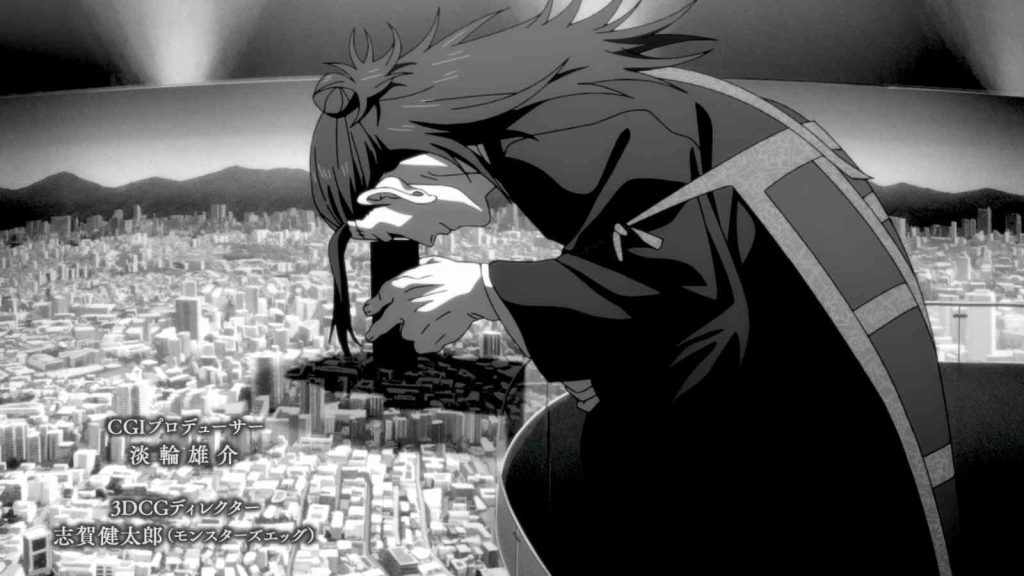
But it’s not just Tengen or humans that he wants control over. His goal is process itself, depicted in the opening sequence where we see him place a tube onto the city as if looking through a microscope.
Kenjaku creates his very own panopticon in Jujutsu Kaisen Season 3
The panopticon is a philosophical concept rooted in an 18th-century prison design proposed by Jeremy Bentham, where a single unseen watcher could observe all inmates without them knowing when they were being watched — exactly like Kenjaku’s Culling Game.
In theory, the panopticon prison is a circular structure with cells arranged around the outer edge and a central watchtower at its core.
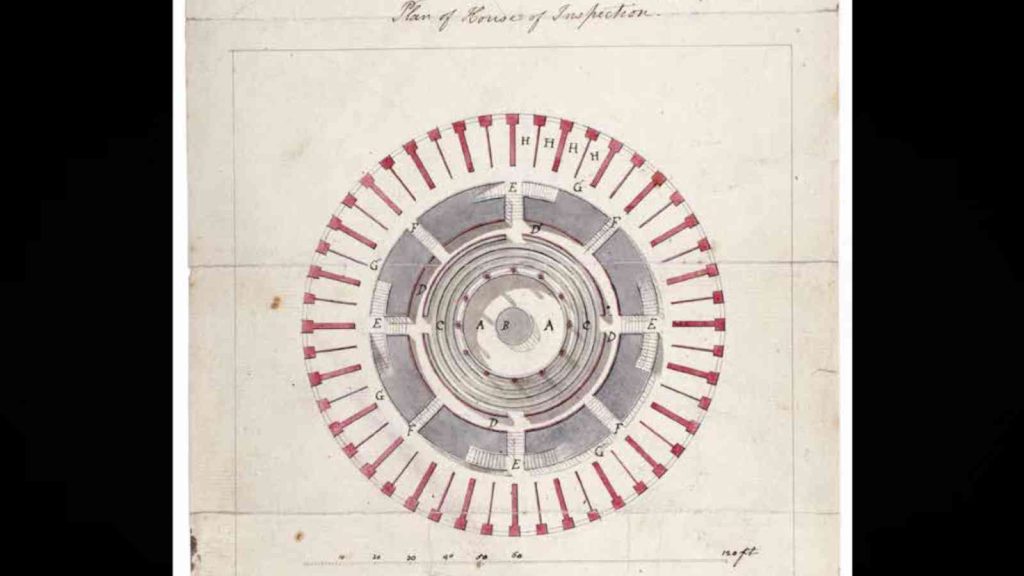
From this tower, a single guard can observe every prisoner, while the prisoners themselves can never know when they are being watched.
The circular structure Kenjaku places over the city therefore, references the panopticon prison’s central design as he peers down its core, observing his Culling Game prisoners.
Philosopher Michel Foucault built on the panopticon metaphor, using it as a critique of modern power structures and arguing that the constant possibility of surveillance leads people to regulate their own behavior.
This invites us to consider how the characters in Jujutsu Kaisen are shaped not only by the brutal conditions of the Culling Game, but also by the knowledge that they are constantly being watched by their enemy.
Over time, the panopticon has become shorthand for systems of control built on visibility, uncertainty, and psychological pressure rather than direct force — making it a fitting lens for the themes driving Season 3.