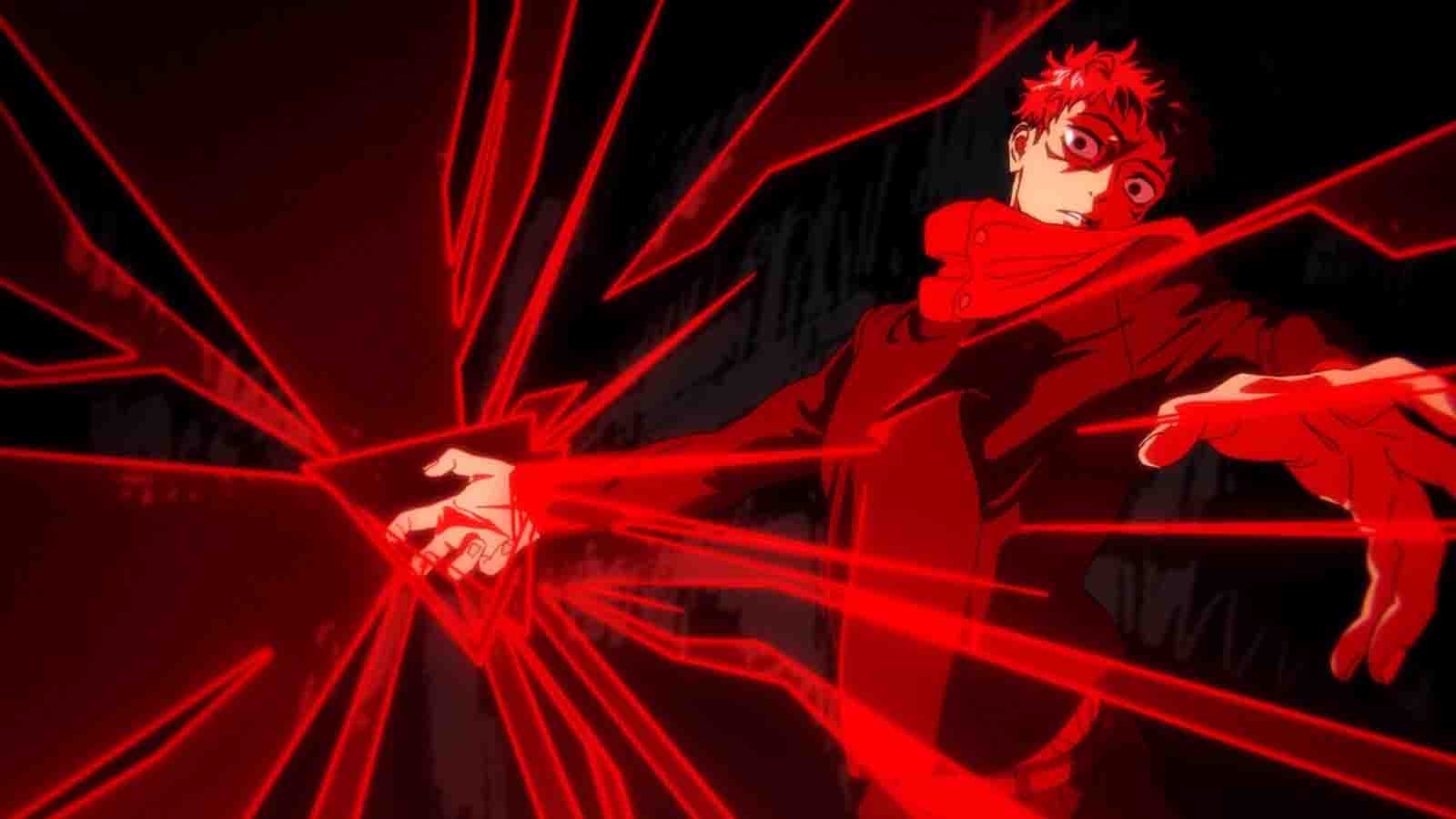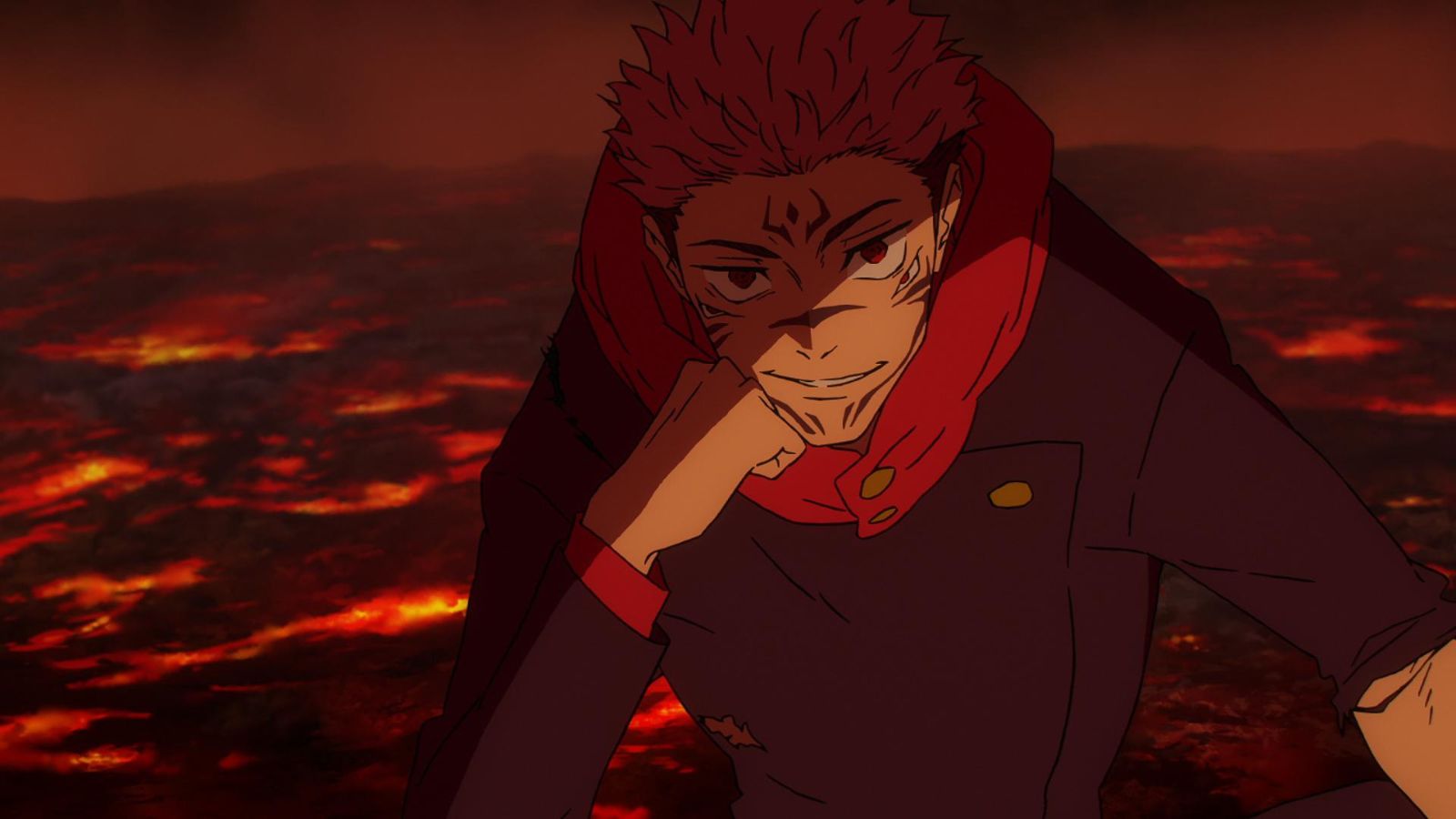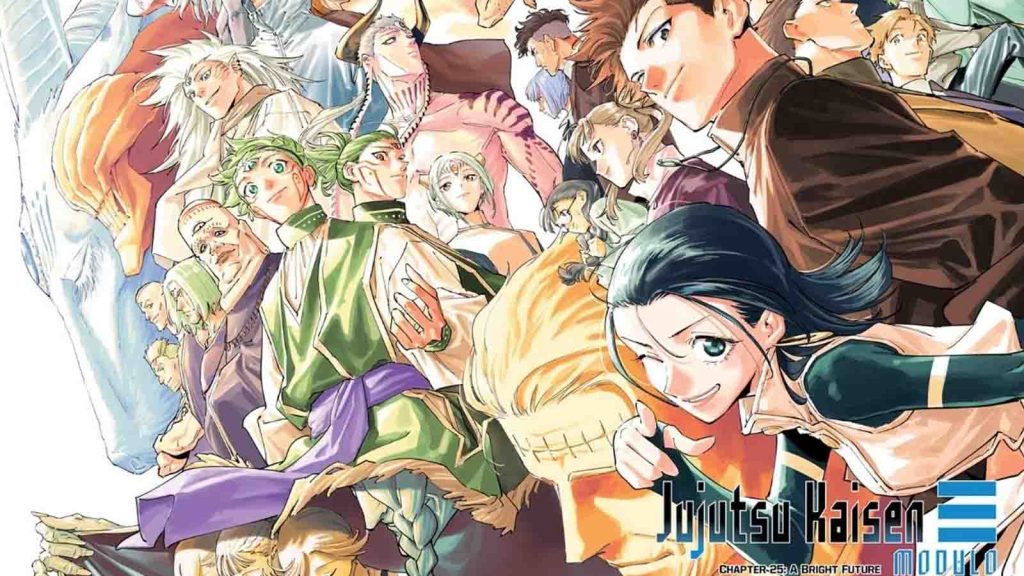
Jujutsu Kaisen has never been a series that holds back, constantly pushing its characters into situations where survival is never guaranteed.
That’s why the idea of a Jujutsu Kaisen sequel inevitably carries high expectations, especially after how definitive the original story felt.
| ONE GOOD THING CAME FROM IT How Yuji avoided Gojo’s biggest mistake in Jujutsu Kaisen Modulo |
A sequel isn’t just about continuing the story — it needs a reason to exist.
After reading Jujutsu Kaisen Modulo, it raises the uncomfortable question of whether this continuation meaningfully adds to the story—or simply exists for the sake of it.
What Is Jujutsu Kaisen Modulo?
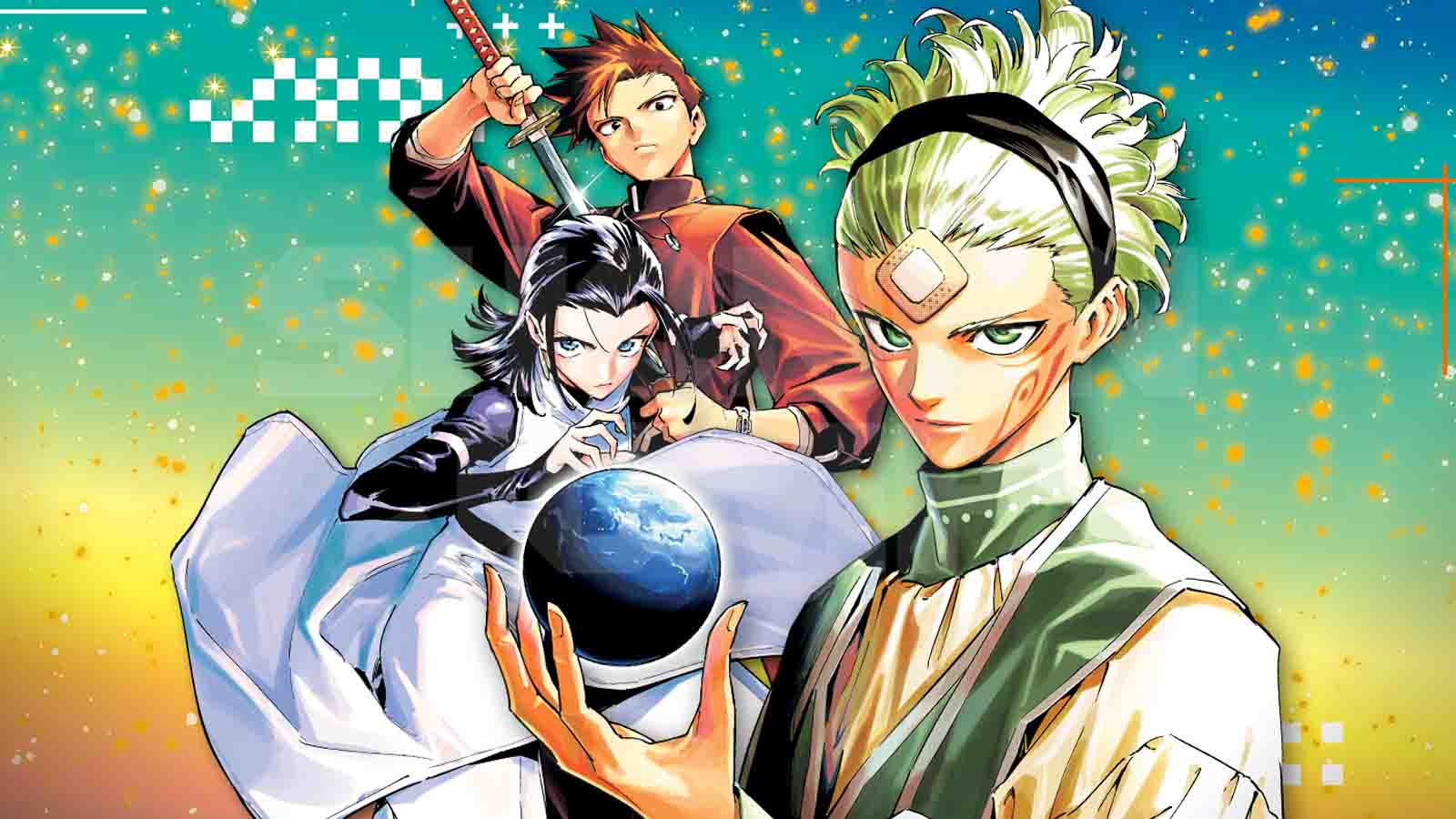
Jujutsu Kaisen Modulo is a sequel manga to Jujutsu Kaisen, written by Gege Akutami and illustrated by Yūji Iwasaki.
It was serialized in Weekly Shonen Jump, beginning on September 8, 2025, and concluded on March 9, 2026, with a total of 25 chapters.
| READ THE ORIGINAL: Where to read Jujutsu Kaisen manga online — all official sources |
Set in the year 2086, the story takes place roughly 68 years after the events of the original series. Instead of continuing directly with the original cast, the sequel shifts its focus to a new generation—primarily the descendants of Yuta Okkotsu and Maki Zenin.
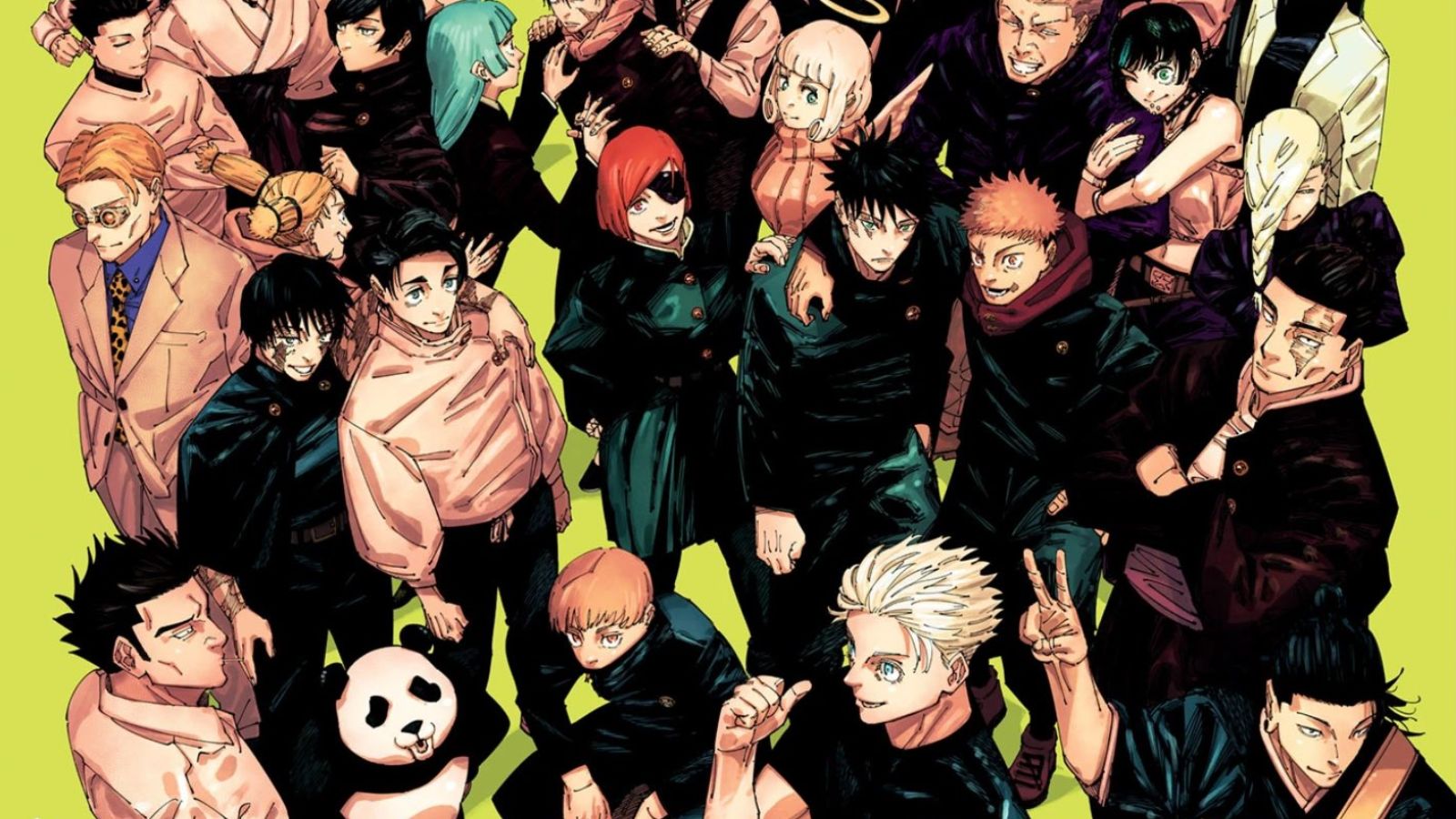
The story introduces a new global conflict through an extraterrestrial race known as the Simurians, whose understanding of cursed energy differs from that of humans.
This creates a large-scale clash that expands the scope of the series beyond Japan, blending supernatural elements with a more science-fiction-driven premise.
As multiple factions collide, the story builds toward a resolution that directly impacts the existence of cursed energy itself.
Did we need a Jujutsu Kaisen sequel?
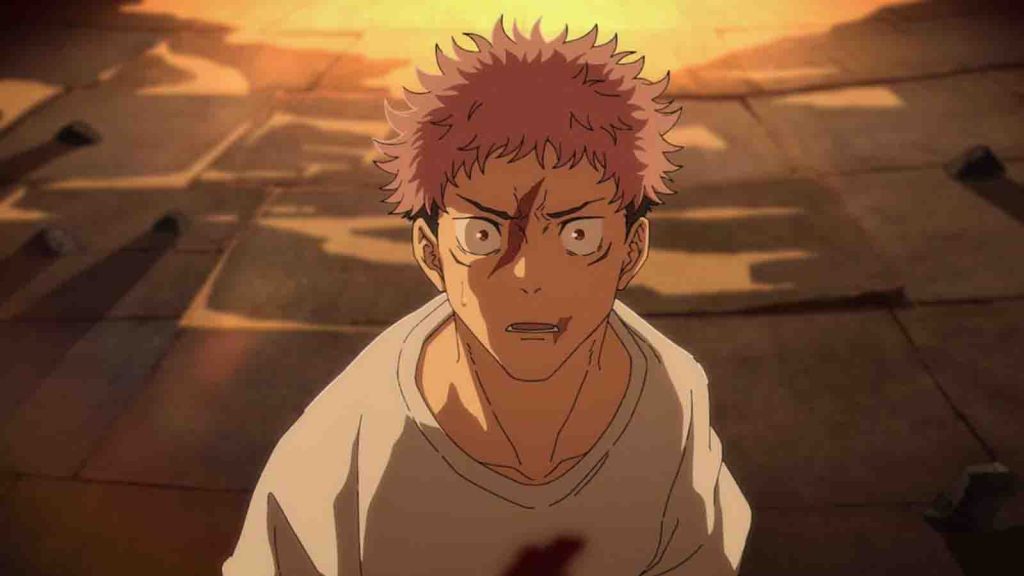
In my opinion, Jujutsu Kaisen Modulo has a lot of interesting ideas, but very few of them are explored deeply enough to justify its existence as a sequel.
One of the most interesting ideas going into Modulo is how it handles legacy characters. The concept of Yuta Okkotsu and Maki Zenin ending up together and having descendants is compelling on paper because it opens the door for entirely new combinations of abilities and techniques.
When it came to narrative execution, however, it feels like the series leans too heavily on its proven formula by going back to “what worked”.
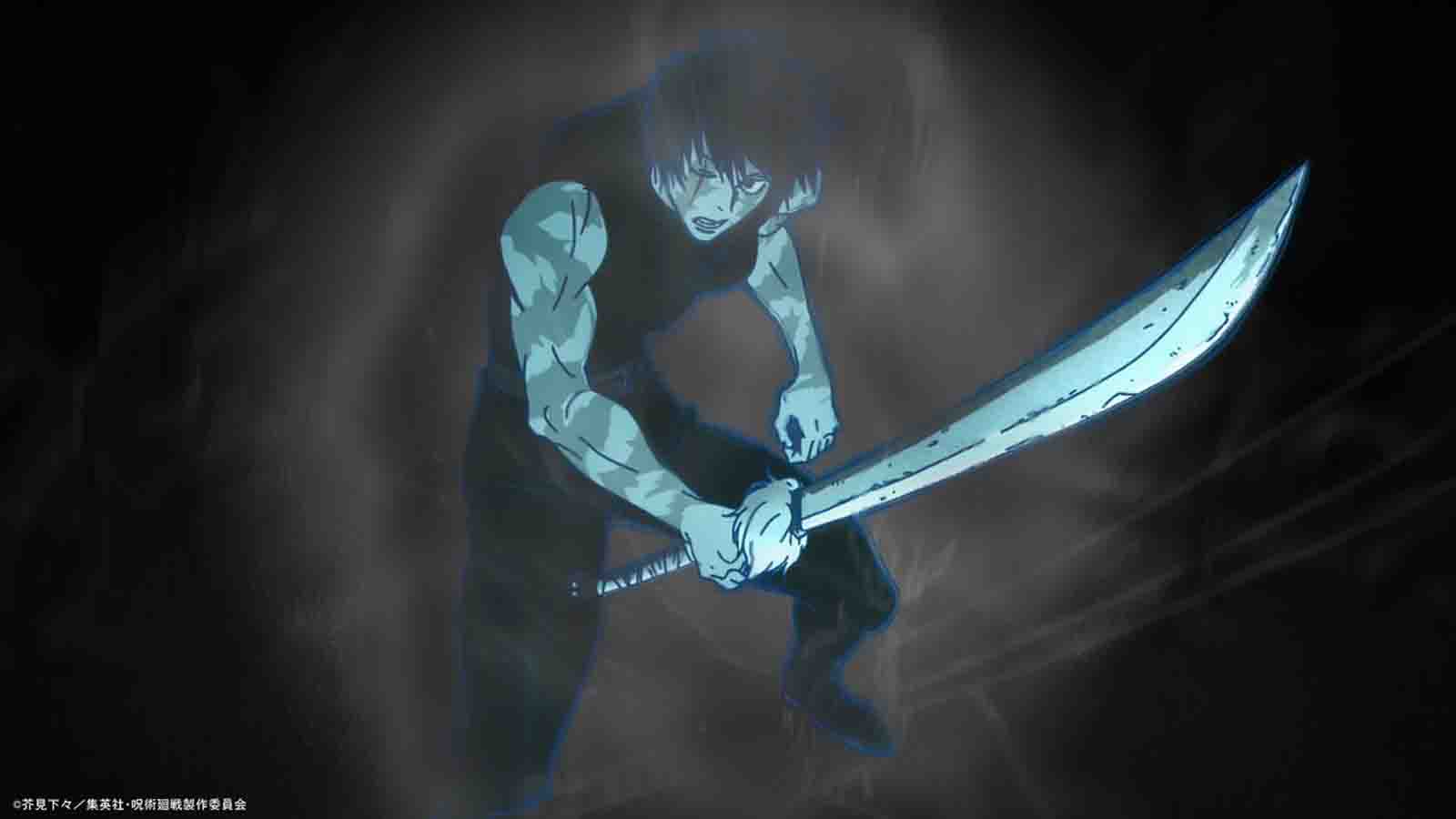
Yuka Okkotsu inheriting the Ten Shadows Technique, and Tsurugi Okkotsu being born with a Heavenly Restriction similar to Maki and Toji, are ideas we have already seen before.
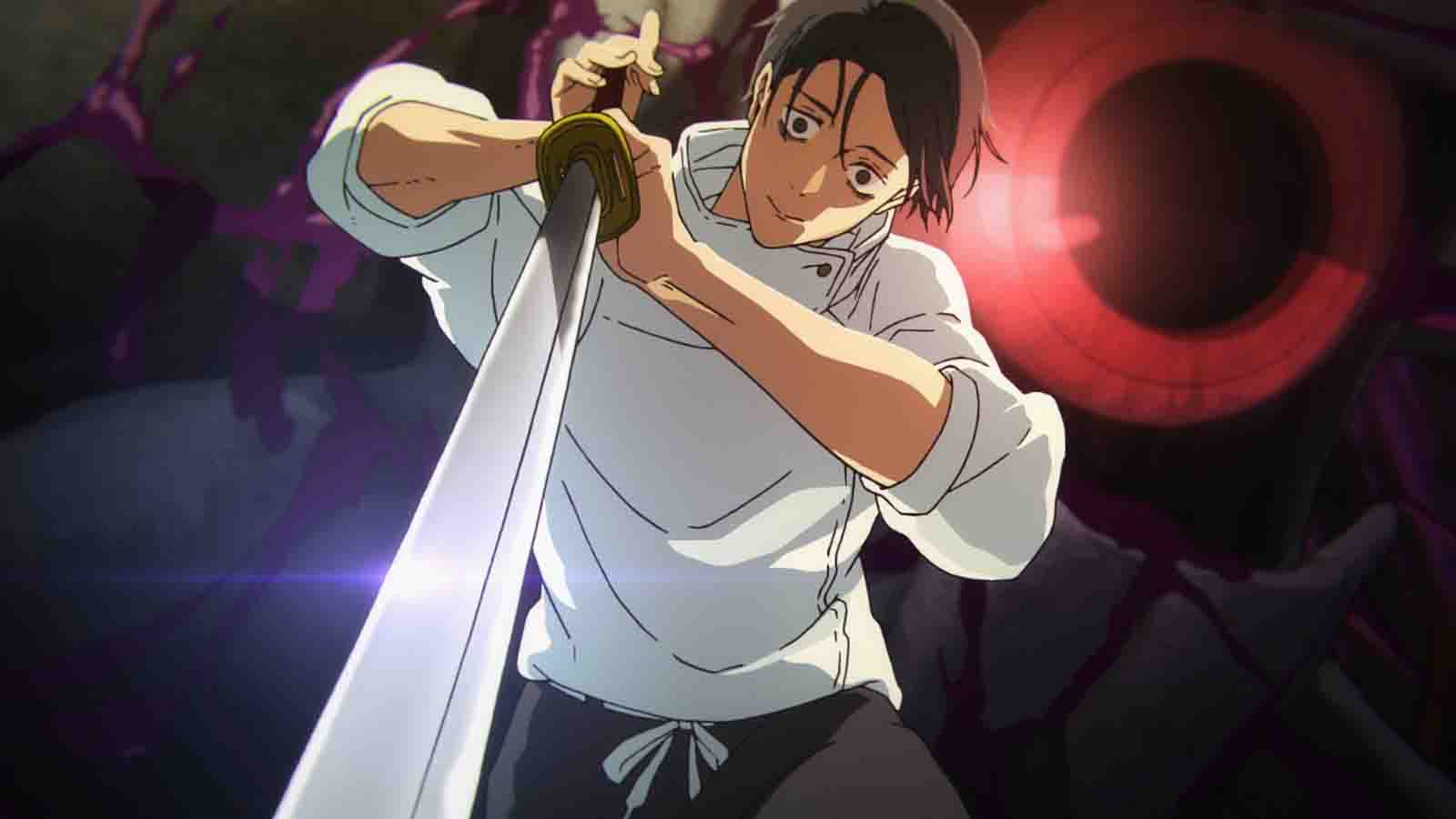
Instead of expanding the system of cursed techniques, the sequel recycles familiar concepts. While this does tap into nostalgia, it does not really push the possibilities forward.
In my opinion, it would have been better to give these abilities to side characters instead of the main cast, so the sequel could introduce new techniques rather than rely on familiar ones. For example, having these abilities show up through Yuka and Tsurugi’s parents, who may not have been exceptional sorcerers themselves, could have added more depth.
It keeps the original characters relevant without actually evolving the world they helped build, and that is where it starts to feel limiting.
It would highlight how rare and refined these abilities were in the hands of characters like Megumi, Maki, and Toji. By comparison, giving those same techniques directly to the new protagonists makes them feel less special, rather than reinforcing how unique they originally were.
That said, the premise of Modulo is one of its strongest aspects. Introducing the Simurians, an alien race with a fundamentally different understanding of cursed energy, immediately raises the stakes.
It expands the conflict beyond what the original series established and introduces a new kind of threat that is not bound by the same rules. Unlike curses, which are born from human negativity, the Simurians operate under their own system, forcing sorcerers to adapt to something unfamiliar.
Another layer to this conflict is their motivation. The Simurians are searching for a new home, which puts them in a position where they either take over Earth or attempt to coexist with humans. This ambiguity works well: it creates tension without making them outright villains, and adds unpredictability to how the conflict might unfold.
Characters like Dabura Karaba and the Val Vol Yelvori brothers, Cross and Maru, are interesting in their own right. Dabura, in particular, being positioned as a warrior comparable to Ryomen Sukuna, sets expectations for something major.
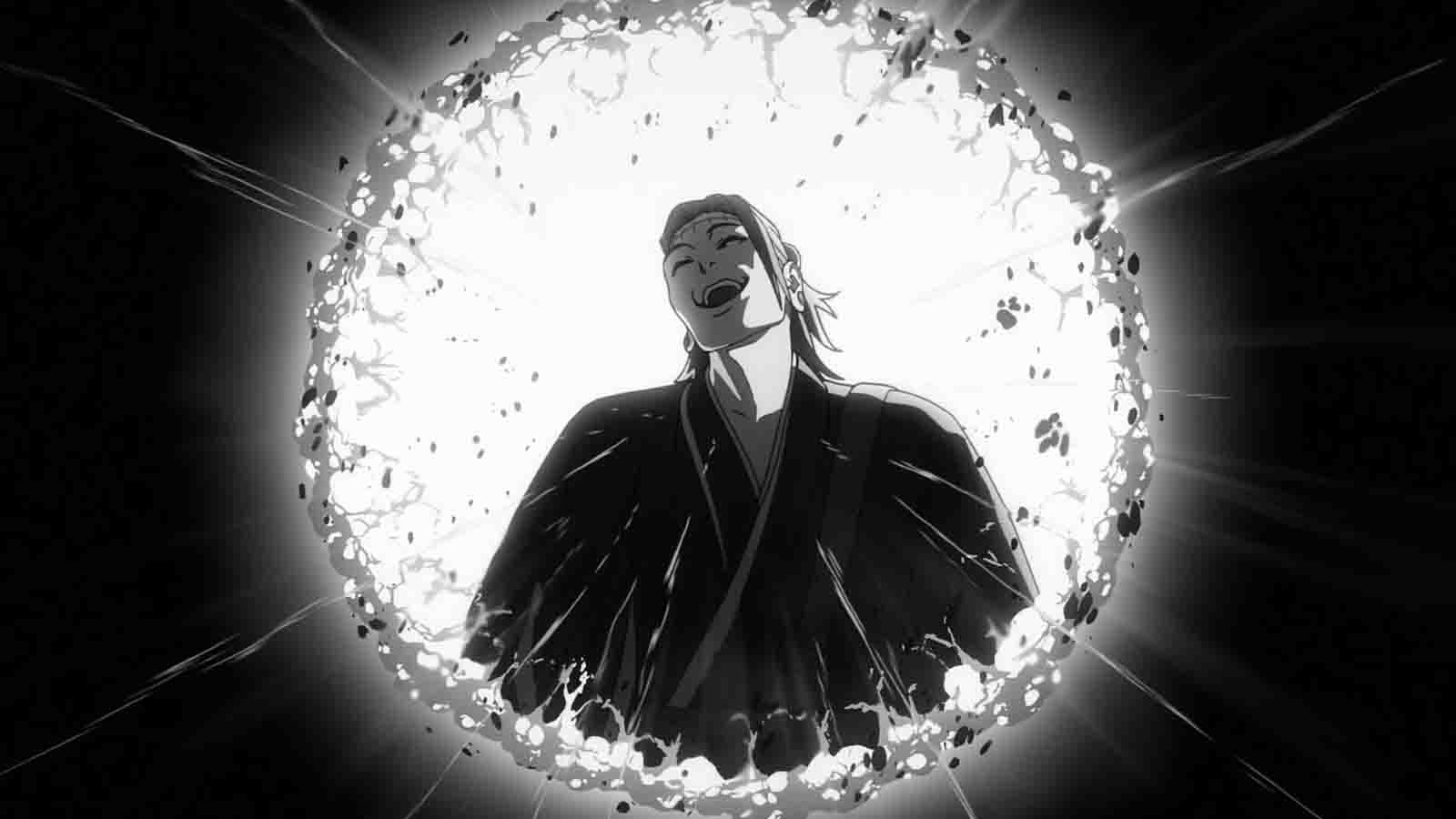
Disappointingly, the series never quite reaches that level.
Compared to the original Jujutsu Kaisen, where the motives and backstory of Kenjaku’s group of sorcerers and special grade curses are developed over time, these new characters do not receive the same depth. They are introduced quickly, given strong concepts, and that’s about it.
Dabura is a perfect example. The climax of the series was clearly building toward one question: how does this new generation deal with a Sukuna-level threat?
It was compelling to see Yuka summon Eight-Handled Sword Divergent Sila Divine General Mahoraga, one of the strongest entities in the series. Mahoraga has always been used as a last-resort trump card, and its ability to adapt to anything keeps the outcome unpredictable.
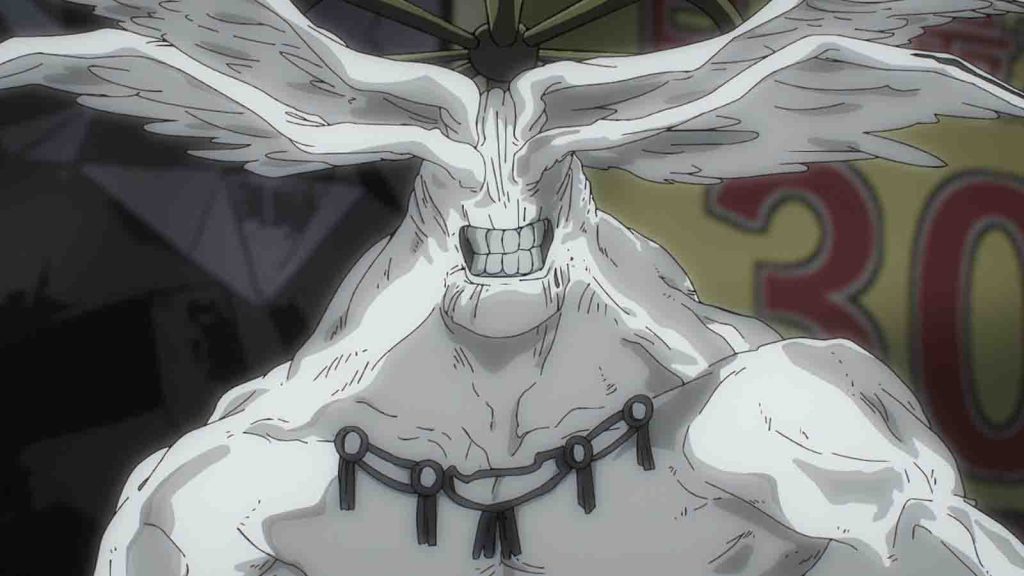
But that is also the problem. Mahoraga has always felt like an incomplete character. It does not speak, show emotion, or have any personal motivation.
Having it act as the main opponent against Dabura makes the fight feel less appealing. It works as an appetizer, but not the main course.
What’s even more confusing is that the story definitely felt like it was keen on serving up a main course at the climax that we were so looking forward to. With Yuji entering the fray, Modulo seemed to be setting up its version of a “strongest versus strongest” fight, similar to Gojo versus Sukuna.
Instead, that confrontation is never realized. All we got is buildup without a payoff.
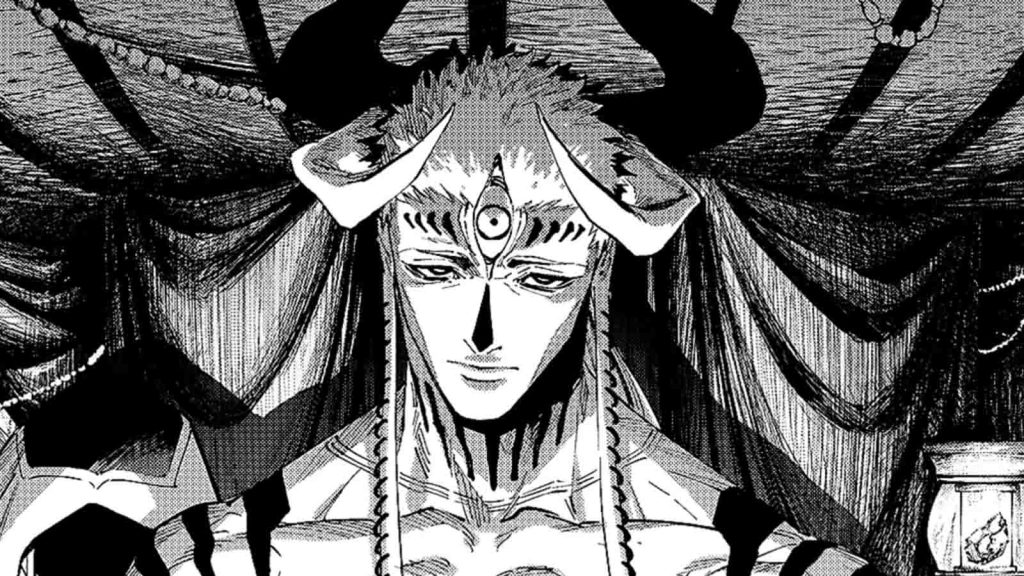
After Dabura reaches his realization and decides to fight on his own terms rather than as a weapon, he leaves Earth after recognizing that the conflict was never truly his to begin with.
He determines that it lies with the Deskunte on his home planet, Simuria. He then returns, takes control of the Deskunte as its new leader, and that is where his story ends.
Because of that, both his character arc and the larger conflict between the Simurians and the jujutsu sorcerers resolve in a way that feels completely unsatisfying.
An ending that was rushed
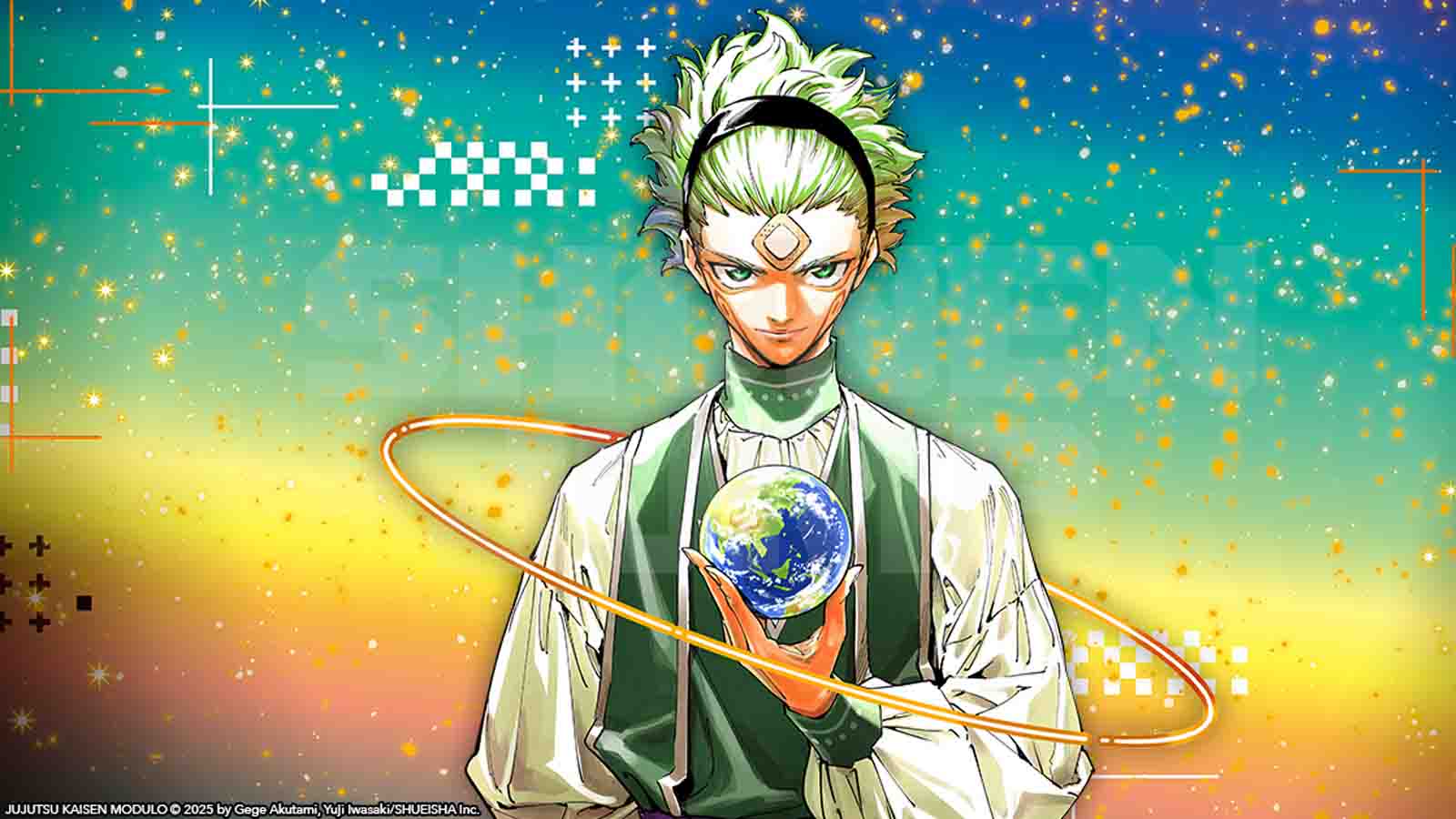
Maru’s cursed technique is one of the most interesting abilities introduced in Modulo. It operates on two concepts:
- Chaos, which allows him to manipulate physical laws like gravity and trajectory, and
- Harmony, which enables him to align or connect individuals and groups.
In theory, it is one of the most versatile abilities ever seen in the series.
Yuji’s plan revolves around using this Harmony to create balance between humans, cursed spirits, and the Simurians, essentially ending the cycle that produces curses. It is a major shift in direction, moving away from extermination toward coexistence.
Unfortunately, the narrative execution of his plan completely falls short.
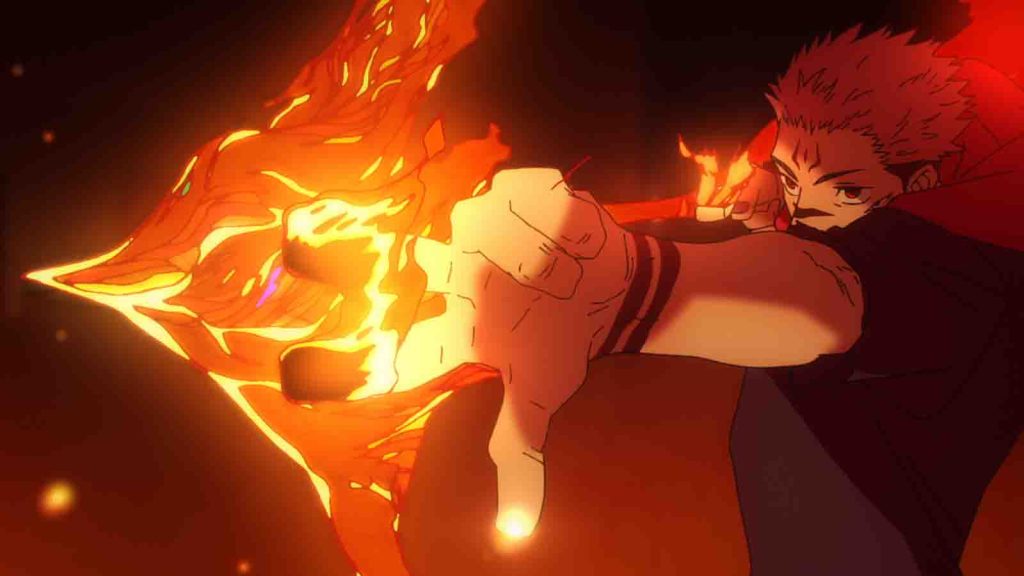
The explanation is heavily reliant on exposition, and even then, it is not entirely clear how far Maru’s ability can actually go.
It is stated that his technique cannot fully eliminate cursed energy, yet the solution presented leans heavily on that assumption. For something that fundamentally changes the entire world of Jujutsu Kaisen, the resolution feels too easy.
A big part of that comes down to how much time the series spends explaining rather than showing. From chapters 21 to 25, a large portion of the story is dedicated to explaining, reasoning, and ultimately accepting this decision.
Considering the series only runs for 25 chapters, that is a significant amount of time spent on exposition, especially for an ending that is supposed to carry the most impact.
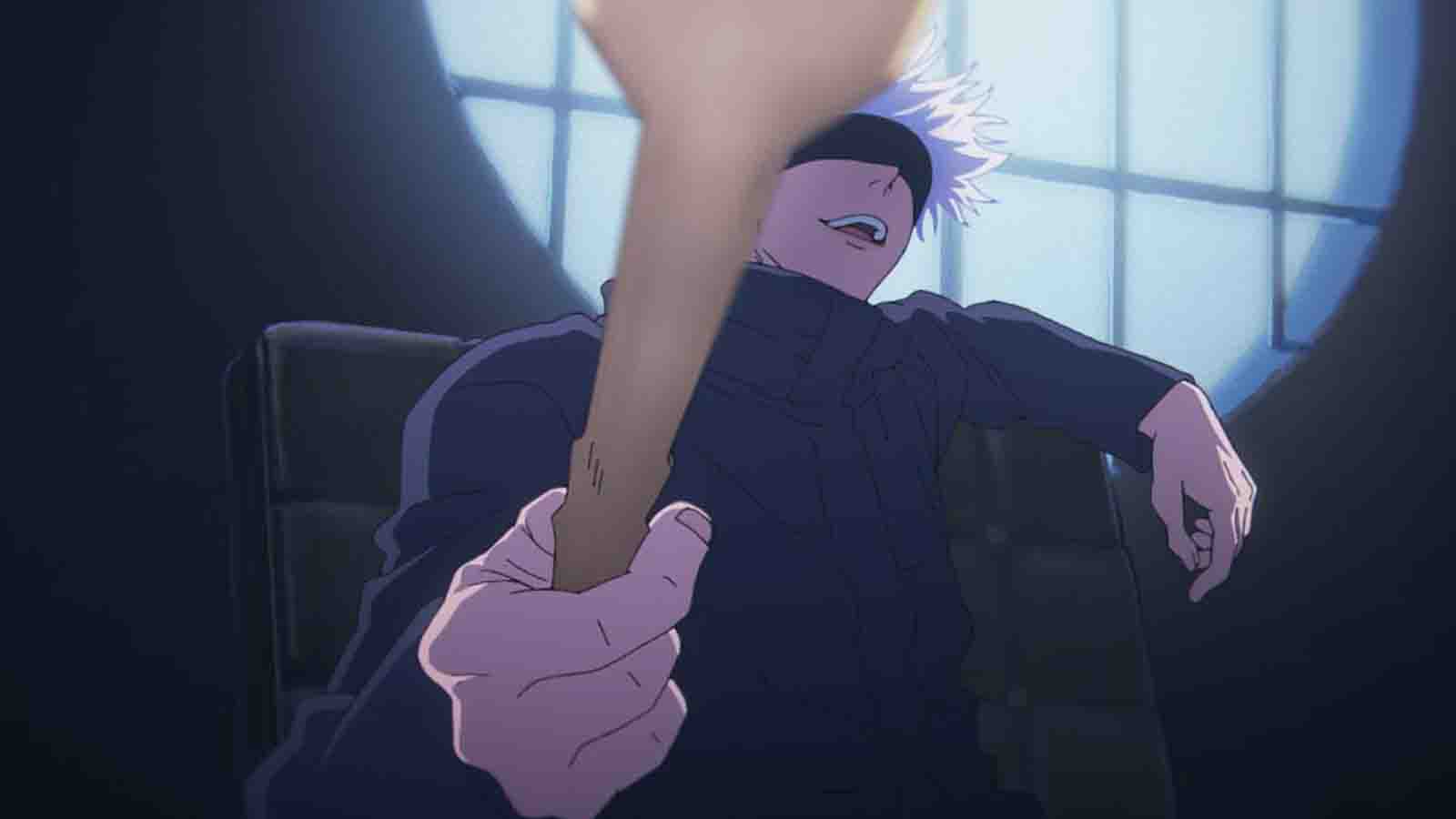
It also does not help that this decision comes from a conversation between two characters who barely know each other. Their encounter at the end was the first and only time Yuji and Maru met. The scale of the decision does not match the way it is delivered.
For me, that is where Modulo misses what made Jujutsu Kaisen work in the first place. The original series was at its best when it built anticipation and followed through on it.
The Culling Game and Shinjuku Showdown arcs are good examples of this, where each chapter pushed things forward in a way that made you want to see what happened next.
Modulo sets up that same sense of anticipation, but instead of delivering on it, it slows down at the finish line. By the time it reaches its conclusion, it feels less like a payoff and more like an explanation.
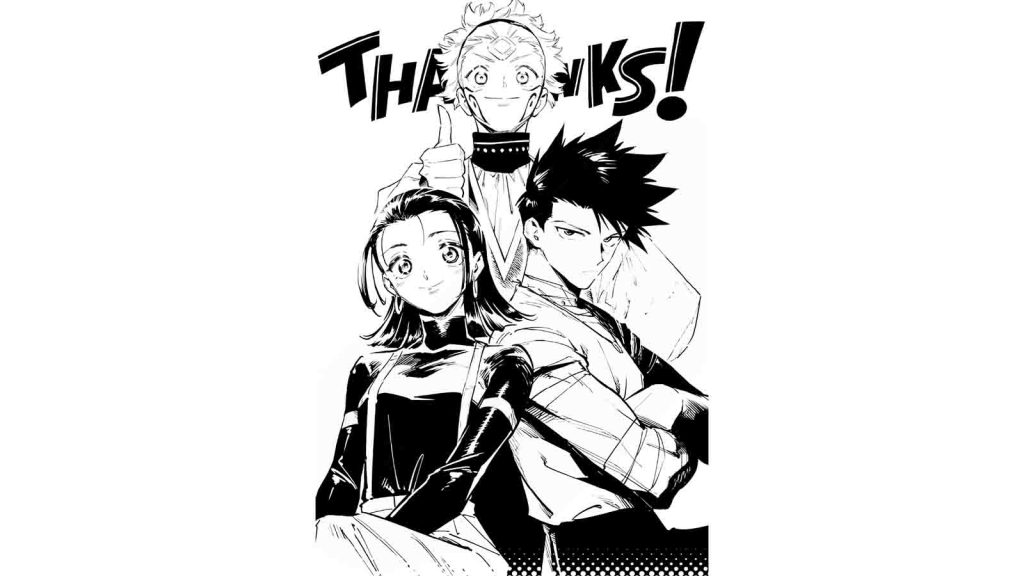
One clear improvement in Modulo, however, is the art.
Yuji Iwasaki’s illustrations are noticeably more polished compared to the original series. The linework is cleaner, the action is easier to follow, and the overall presentation feels more refined.
Visually at least, the sequel does feel like an evolution, even if the storytelling does not always match that level of advancement.
Jujutsu Kaisen Modulo is a sequel that raises more questions than answers
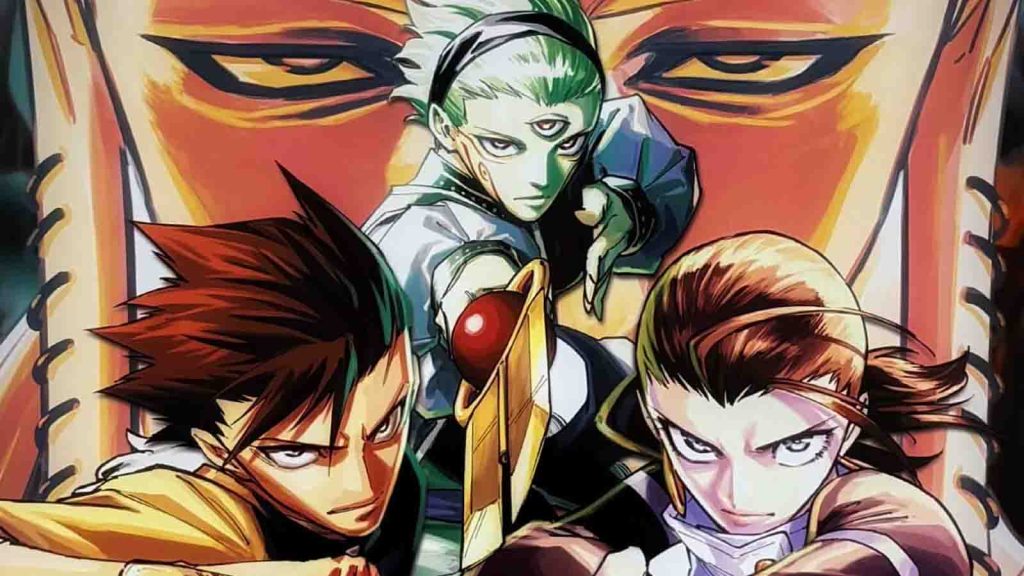
Ultimately, Jujutsu Kaisen Modulo feels like a sequel that was not given enough time to fully justify itself.
It introduces big ideas, a new generation, a global conflict, and the potential end of cursed energy, but does not explore them deeply enough.
Instead of expanding the world in a meaningful way, it resolves its biggest conflicts too quickly, leaving behind more questions than answers.
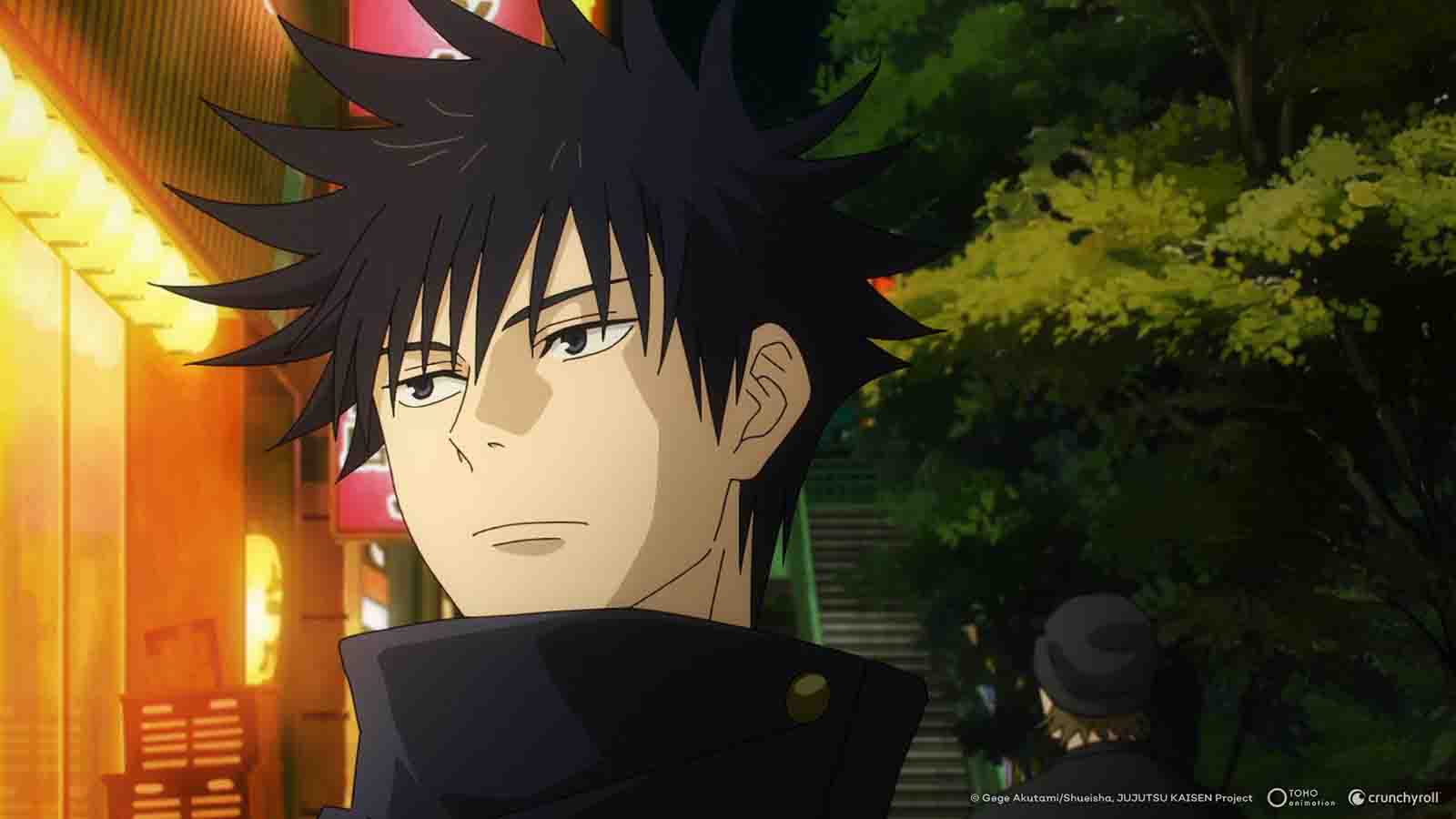
One of the biggest gaps is the absence of Megumi Fushiguro. For a character so central to the original story, not even being mentioned stands out in a way that is hard to ignore.
In the end, Modulo is not a bad sequel, but it feels incomplete. With more time, more chapters, and a slower pace, it could have been something much more impactful.
As it stands, it shows potential, but never fully delivers on it, coming to an unsatisfying end.