The world of Jujutsu Kaisen has always been shaped by overwhelming power, especially during the era defined by Satoru Gojo.
“How Yuji avoided Gojo’s mistake” becomes a crucial question once that era ends and the consequences of depending on a single, strongest sorcerer become clear.
| DIVE DEEPER INTO JJK Where to read Jujutsu Kaisen manga online — all official sources Is Jujutsu Kaisen finished? Understanding the manga and anime timeline |
Gojo’s presence kept the jujutsu world stable, but it also influenced how decisions were made and how responsibility was distributed.
What Yuji Itadori does differently in Jujutsu Kaisen Modulo points to a darker approach that completely changed the jujutsu world.
Gojo’s mistake and the cost of being the strongest
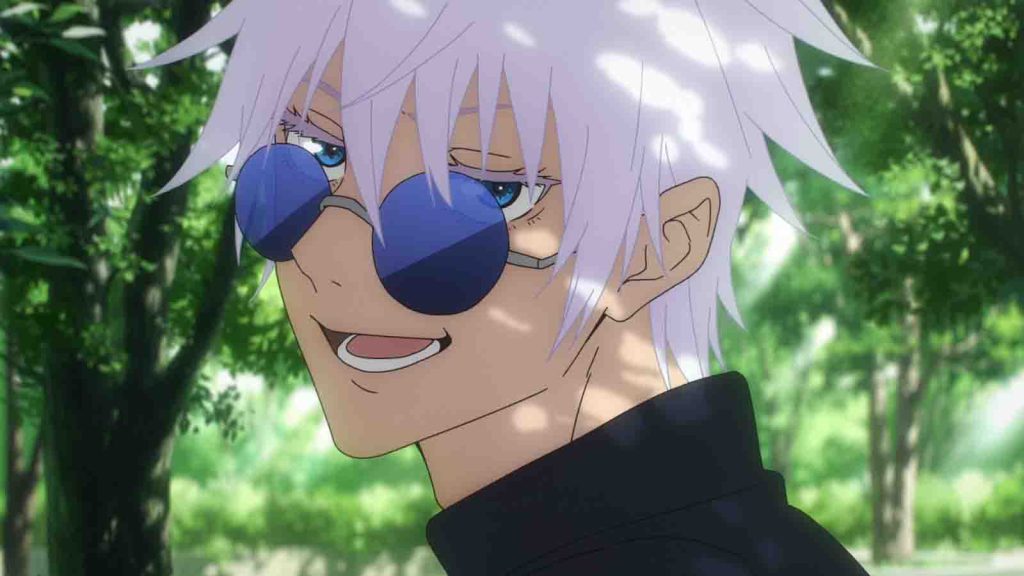
Gojo’s strength was absolute in a way the jujutsu world had never seen before. His mastery of the Limitless technique and the Six Eyes made him untouchable in direct combat, and his presence alone discouraged large-scale threats from ever taking shape.
As long as Gojo stood at the center of the system, order was maintained.
That stability, however, came at a cost. Because Gojo could solve almost any problem on his own, the rest of jujutsu society slowly stopped developing solutions that did not involve him.
Decisions made by the higher-ups, the three great jujutsu families, and even field sorcerers routinely factored Gojo into the process, whether directly or indirectly.

In some cases, this influence was explicit, such as when Gojo postponed Yuji Itadori’s execution after he became Ryomen Sukuna’s vessel at the start of Jujutsu Kaisen.
This reliance also extended into clan politics. Naobito Zenin, the head of the Zenin clan, altered his will so that Megumi Fushiguro would inherit leadership instead of his son Naoya Zenin, a decision made in response to Gojo’s sealing and the shifting balance of power that followed.
Maintaining good relations with Gojo became more important than developing long-term solutions. Risk management became reactive instead of proactive. The jujutsu world did not prepare for a future without Gojo because it never believed that future would arrive.
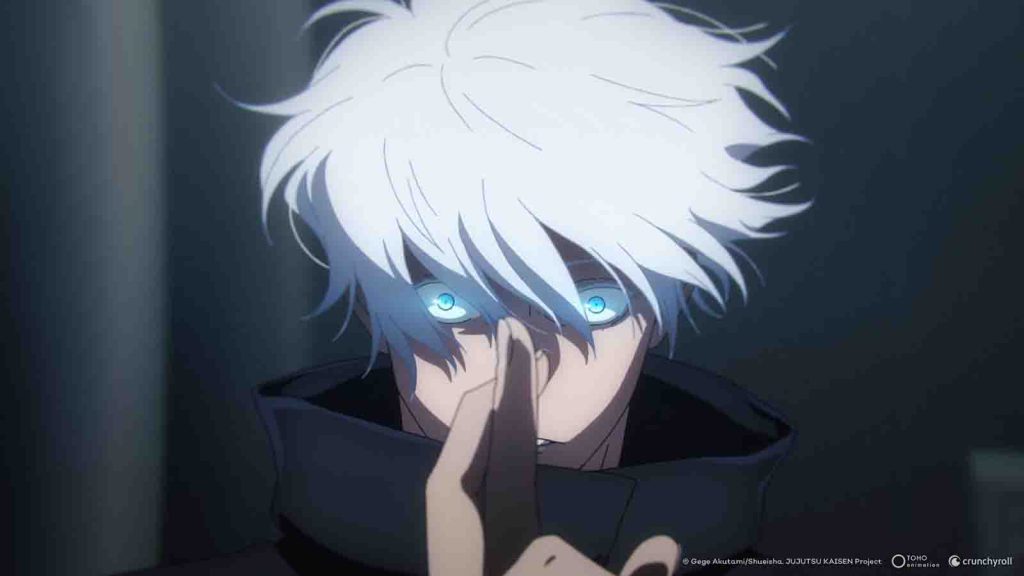
Gojo did not intend to create this imbalance — and it became his greatest mistake. By being visible, reachable, and unquestioned, he allowed the system to grow comfortable.
When he was sealed, the consequences of that comfort became impossible to ignore.
Understanding how Yuji avoided Gojo’s mistake starts with recognizing that Gojo was not wrong to be strong. Rather, the problem was how openly the world leaned on that strength.
Spoiler Warning: Contains major plot details from Jujutsu Kaisen Modulo.
How Yuji avoided Gojo’s mistake in Jujutsu Kaisen Modulo

At the end of Jujutsu Kaisen, Yuji Itadori defeats Sukuna and becomes the strongest sorcerer alive. In Jujutsu Kaisen Modulo, set 68 years later, it is clear that Yuji has only grown stronger.
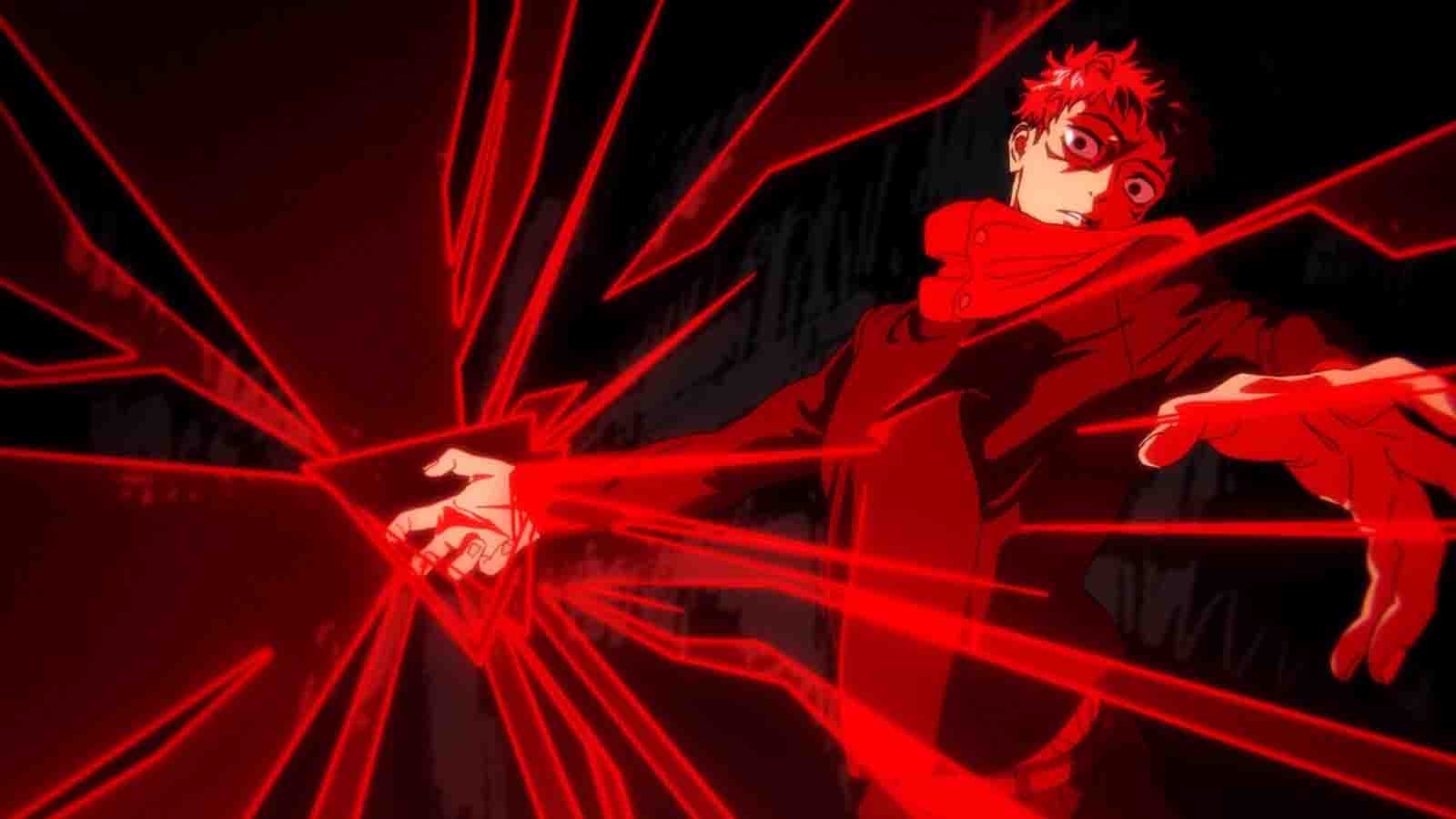
He has not aged, and his abilities now include firing multiple Convergence Piercing Blood attacks at once and freely using Sukuna’s techniques, such as Dismantle and Cleave.
On paper, Yuji is everything Gojo once was, and more. The key difference is how Yuji chooses to exist within the world.
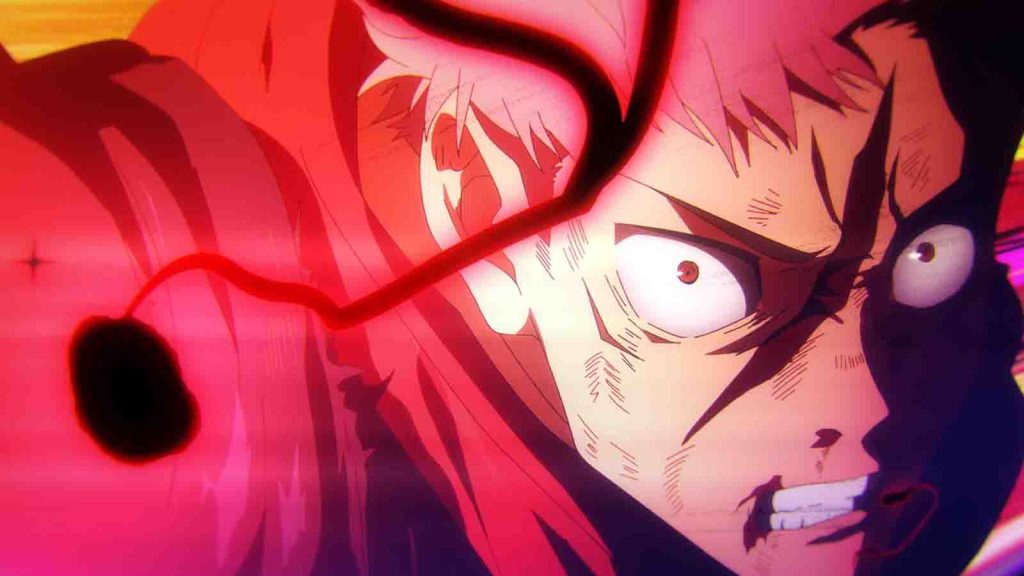
When the jujutsu world is challenged by the Sumerians and their champion Dabura Karaba, Yuji cannot be reached. He does not answer calls for help, and he does not place himself at the head of the conflict.
To many, this absence looks like abandonment. In reality, it is the core of how Yuji avoided Gojo’s mistake.
Rather than becoming a visible safeguard, Yuji works in isolation. He quietly exorcises curses that escape Tokyo. He observes the growing tension between jujutsu sorcerers and the Sumerians, who believe their sacred Kalyan creatures are being slaughtered.
It’s clear that Yuji only intervenes directly when escalation becomes unavoidable.

Crucially, he does this without positioning himself as the solution everyone can rely on. He does not coordinate through jujutsu society, and he does not allow institutions to factor him into their decision-making.
By staying distant, Yuji forces the system to function without assuming his involvement.
This is how Yuji avoided Gojo’s mistake — he refuses to let his strength become a safety net. Sorcerers still have to act. Leaders still have to negotiate. Consequences still exist.
Yuji’s power protects the world, but it does not excuse it from responsibility.
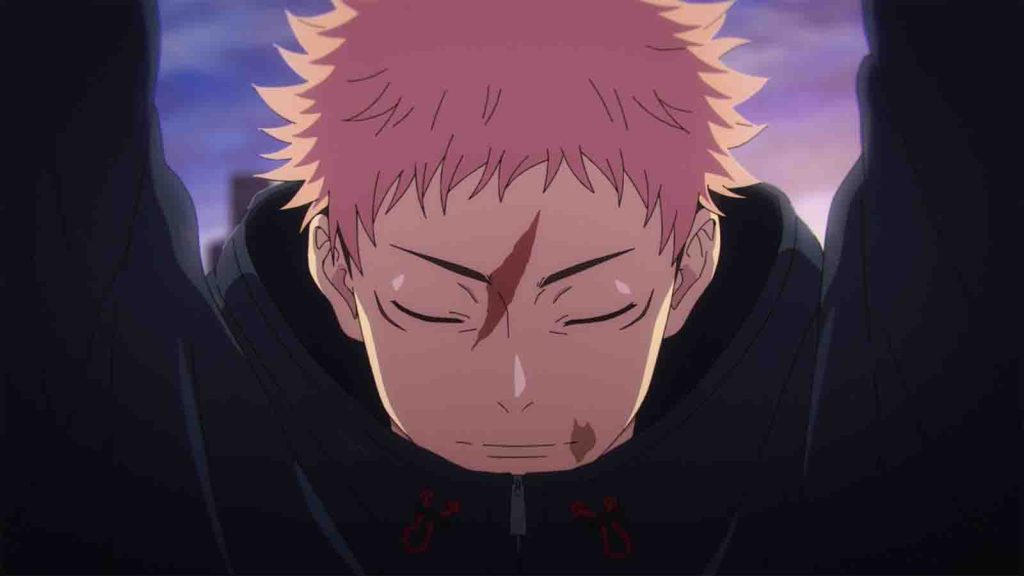
While Gojo maintained peace by being present everywhere. Yuji maintains stability by being present only where he must be, and invisible everywhere else.
In Jujutsu Kaisen Modulo, the strongest sorcerer does not rule from the center. Instead, he watches from the edges, ensuring that the world does not grow dependent on him again.
In the end, Yuji learned that being the strongest is not about solving every problem — it is about making sure the world does not stop solving problems on its own.