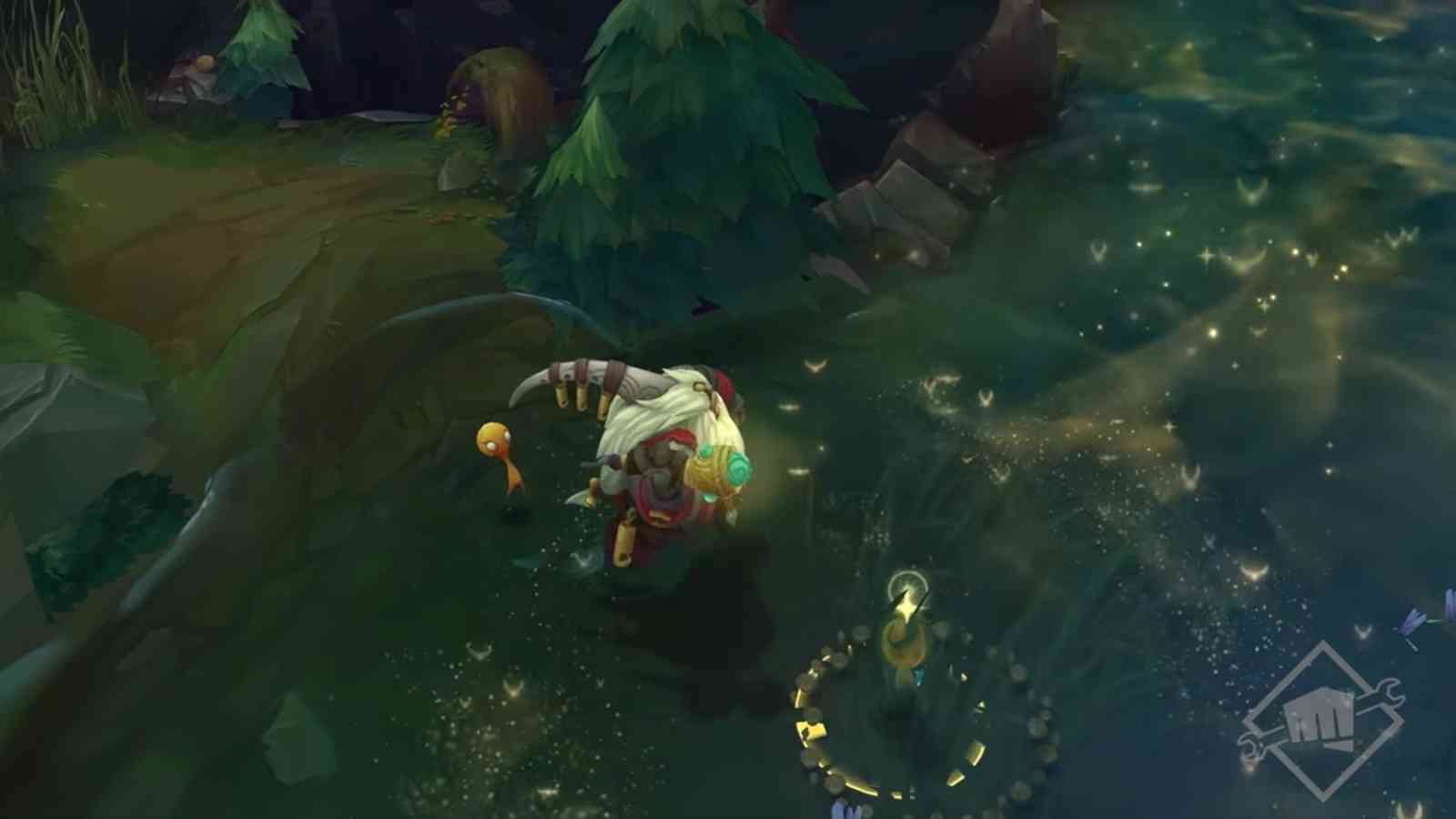
Vision has always been one of League of Legends’ most powerful and least intuitive systems and Riot’s new Faelights mechanic introduced for the Season 2026 feature is designed to change how players interact with it.
While vision is critical to winning games, effective warding has long been concentrated in the hands of supports, leaving solo laners and split pushers heavily reliant on teammates for information.
Riot’s latest vision update aims to rebalance that responsibility, with Faelights at the center of the shift.
How Faelights work in League of Legends
Faelights introduce fixed, high-value warding locations that reward smart placement while lowering the knowledge barrier for players who want to contribute to map control without mastering advanced ward theory.
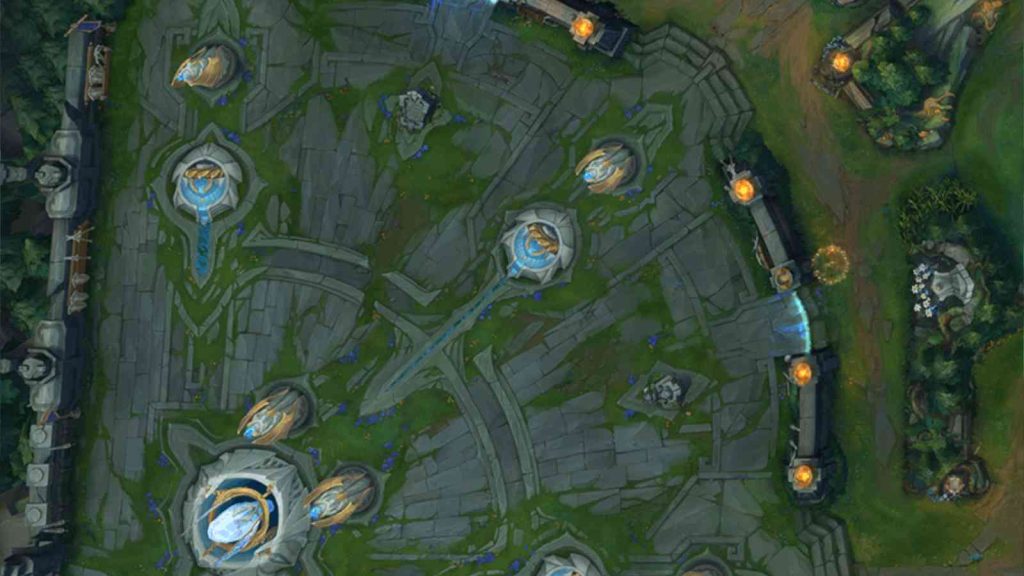
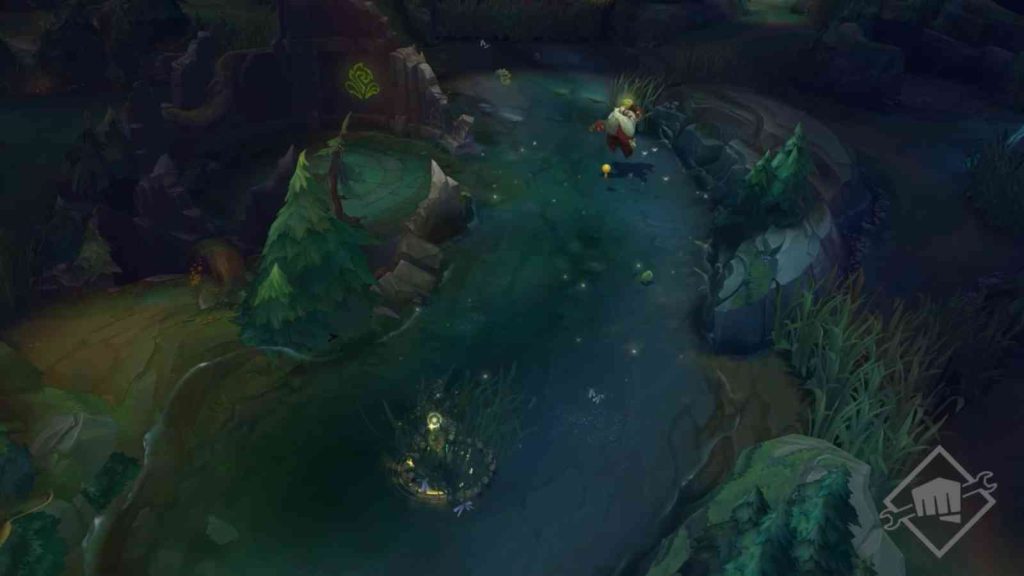
Faelights are predetermined spots on the map that grant enhanced vision when a ward is placed inside them.
Compared to standard ward placement, these locations provide extended sightlines, making them especially effective for tracking rotations, jungle paths, and potential flanks.
Where do Faelights appear and how long do they last
Some Faelights are available from the start of the match, while additional ones appear later when the Elemental Rift transforms. This allows vision patterns to evolve naturally as the game progresses, rather than remaining static from early to late game.
To prevent vision from becoming overwhelming, the bonus vision provided by Faelights is temporary. There is also intentional room left around these zones for junglers and roaming champions to maneuver creatively, keeping counterplay intact.
What’s the purpose of Faelights on Summoner’s Rift?
Targeting split pushers
One of the primary goals behind Faelights is to support champions who operate away from their team, particularly mid and top laners pressuring side lanes in the mid to late game.
Split pushing often fails not because of mechanical mistakes, but because players lack safe, reliable vision to read enemy movements.
By clearly marking locations where warding is consistently valuable, Faelights allow split pushers to secure information for themselves instead of depending entirely on support rotations. This reduces risk while encouraging more proactive map play from non-support roles.
Second goal: Making vision easier to learn and use
Vision has historically been powerful but opaque. Newer and lower-ranked players often know wards matter, but struggle to understand where and when to place them. Faelights create immediate feedback: if you ward here, you get more value.
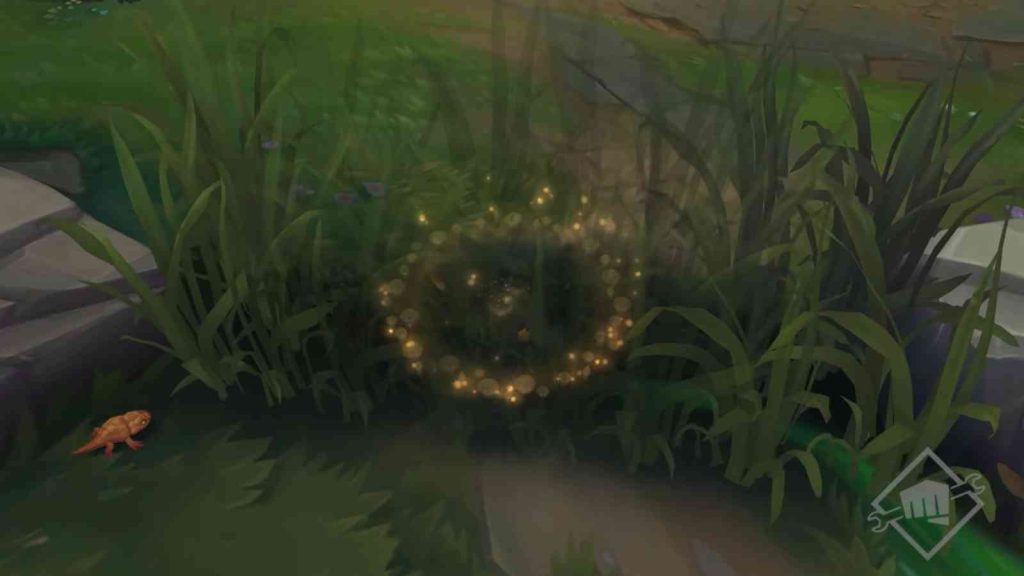
This clarity helps teach effective vision habits organically. Rather than memorizing dozens of optimal ward spots, players are guided toward locations that consistently matter, making vision feel less abstract and more rewarding.
Third goal: Reduce snowballing through vision access
Another key objective of the update is to make vision less oppressive when a team falls behind. Losing control of your jungle often means losing information entirely, which accelerates snowballing and limits comeback options.
Faelights give defending teams a foothold to re-establish vision in their own jungle quadrants, even under pressure. Additional Scryer’s Blooms placed near base exits further help teams safely reclaim information and push vision lines outward instead of remaining blind.
Quality-of-life changes supporting the system
Yellow trinkets will recharge faster, ensuring wards are available more consistently across roles.
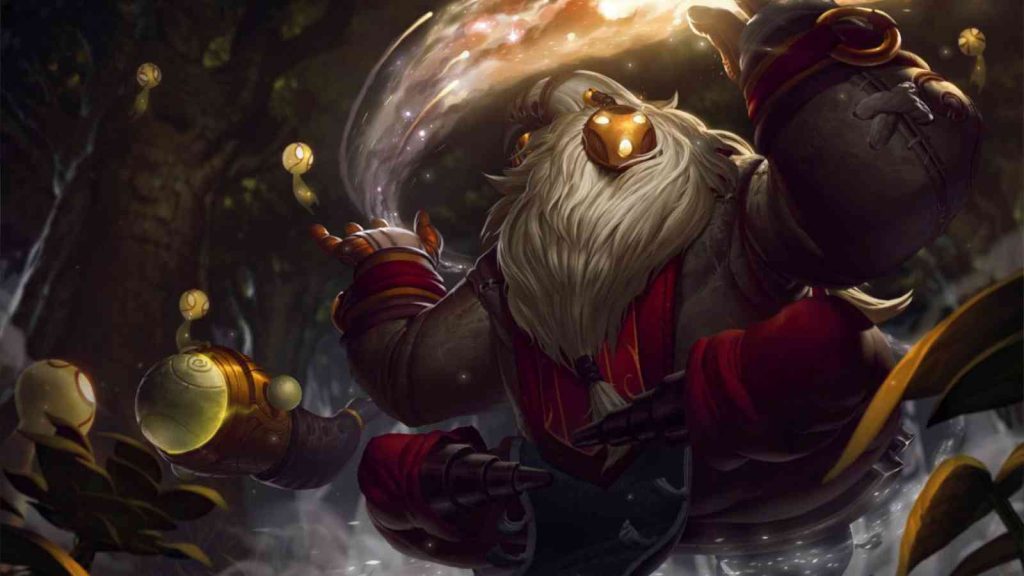
The expanded placement of Scryer’s Blooms also benefits late-game side-laning, allowing players to scout ahead without committing too far into fog of war.
Together, these changes redistribute vision responsibility across the team while lowering the cost of participating in map control.
What this means for LoL going forward
Faelights represent a philosophical shift in how Riot views vision. Instead of treating it as a specialized support skill, vision is being reframed as a shared system that every role can meaningfully engage with.
If successful, this could lead to healthier side-lane play, fewer vision-driven snowballs, and a game state where information is earned through smart positioning rather than role obligation alone.