
The League of Legends 2026 season introduces one of its most meaningful systemic updates in years: Role Quests.
Designed to give each position a clearer identity and stronger sense of impact, these new quests reward players for simply playing their assigned role well.
| CATCH UP WITH THE LATEST CHANGES League of Legends Patch 26.02 notes: Ranked compensation, vision under serious review |
Instead of generic power spikes, Role Quests offer role-specific upgrades that reshape how top, mid, bot, jungle, and support influence the game as it progresses.
How Role Quests work
Role Quests are automatically assigned based on the role you lock in during champion select. If players swap lanes after the lobby, the swap must be officially confirmed in champ select for the quest to update correctly.

Progress is earned through normal gameplay actions such as:
- Farming minions
- Securing kills and assists
- Taking plates and towers
- Participating in epic objectives
| UNDERSTAND THE NEW MECHANIC Faelights in League of Legends explained: Why vision is no longer just a support job |
Completing these actions in your assigned lane accelerates quest progress. Completion timing is expected to line up roughly with when support items typically finish upgrading in the current game.
Each completed quest unlocks its reward in a dedicated role quest slot, adding permanent power for the rest of the match.
Why Riot is introducing Role Quests

Riot’s goal with Role Quests is twofold. First, each role should feel distinct in how it scales and contributes to winning.
Second, the system creates space to rebalance role power, particularly for top and bot lane, which have struggled to consistently impact games compared to jungle and support.
As a result, top and bot lane quests are intentionally stronger than the others.
Top lane Role Quest rewards
Top lane has long suffered from limited game impact, even when winning lane. In 2026, Riot is directly addressing that problem.

Upon completing their quest, top laners receive:
- A free version of Summoner Teleport on a longer cooldown, in addition to their chosen summoners
- If Teleport was already selected, it upgrades instead, granting a large max-health shield on use
- A burst of bonus experience
- Increased experience gain going forward
- A higher level cap than other roles
Together, these changes are designed to give top laners real agency in mid and late game decision-making, rather than leaving them isolated on an island.
Jungle Role Quest updates
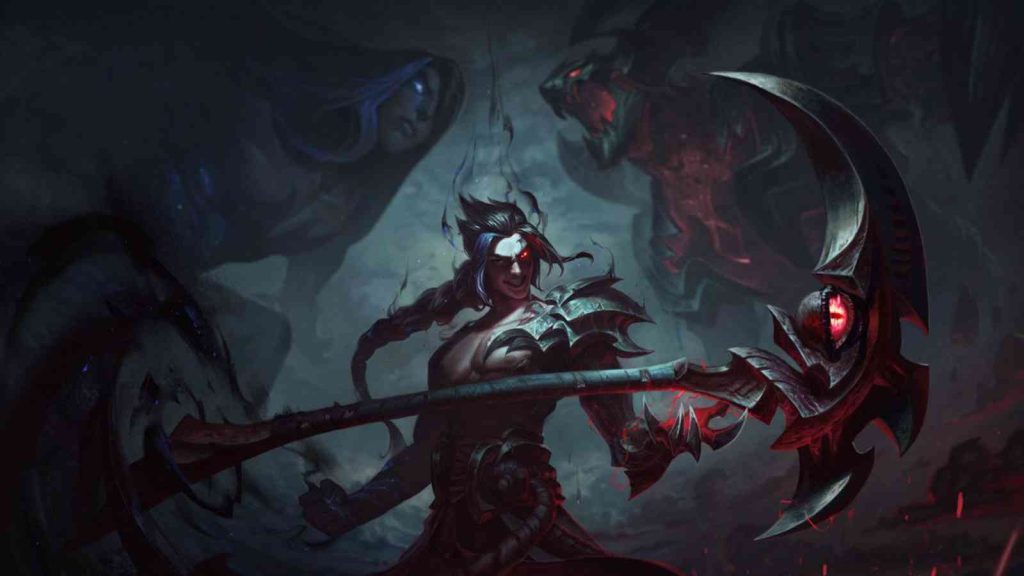
Jungle already holds substantial influence over early game outcomes, so its 2026 changes are more about tuning than power increases.
Junglers retain:
- Pet evolution upgrades
- PVP Smite functionality
In addition, completing their quest grants:
- Increased gold and experience from large jungle monsters
- Bonus movement speed while in the jungle
Early clear speed is being slightly reduced to give lanes more room to play out naturally. Objective security is also shifting, with Smite dealing more damage and objectives gaining additional resistances against non-junglers, reducing long-range steals from outside the pit.
Mid lane Role Quest rewards

Mid lane’s flexibility makes it one of the hardest roles to balance, with champions ranging from assassins to mages to unconventional picks.
To support that diversity, mid lane’s quest focuses on mobility and tempo rather than raw stats.
Upon completion, mid laners gain:
- A free tier three boots upgrade, similar to Feats boots
- A four-second empowered recall with a cooldown
Most of these upgraded boots function similarly to their live counterparts, with minor adjustments to fit the new system. The faster recall gives mid laners more control over map movement and objective timing.
Bot lane Role Quest rewards

Bot lane leans fully into its identity as the game’s primary late-game damage source.
After completing their quest, bot laners receive:
- A one-time gold payout
- Increased gold from minion kills, champion kills, and assists for the rest of the game
- A seventh item slot dedicated to boots
With boots moved into their own slot, bot laners can build an additional legendary item, significantly boosting late-game scaling.
Even in mid-game scenarios, the extra flexibility allows for temporary components like Zeal or Cloak of Agility without sacrificing core items.
Alongside these changes, base critical strike damage across the game is returning to 200 percent, further reinforcing the carry fantasy.
Support Role Quest improvements

Support’s quest remains largely intact, as the role already offers strong value throughout the game. Instead of direct buffs, the focus is on quality-of-life upgrades.
Upon completion, supports receive:
- A dedicated control ward slot
- Discounts on control wards
- Improved passive gold generation
These changes allow supports to contribute more consistently without being locked into a single item purchase before the game ends.
A system designed to define each role
Role Quests are meant to deliver permanent, meaningful power that reinforces what each role does best.
By tying progress to lane-specific actions, Riot is also removing the need for Lane Swap Detection, which was introduced to counter professional lane swapping.
As the system rolls out, Riot plans to closely monitor how each role feels and how the new balance shapes the game. Player feedback will play a key role in refining Role Quests throughout the 2026 season.