“How to make a mini drama?” is one of the biggest questions creators are asking as short-form storytelling explodes across platforms like TikTok.
Vietnam has emerged as one of the earliest success stories for the format, producing hit vertical series that rack up millions of views and turn unknown creators into recognizable names.
| GET HOOKED ON EVEN MORE DRAMA 3 Hana Kimi anime vs. live-action differences you definitely missed One Piece live-action Season 2 ending explained: How it sets up Alabasta |
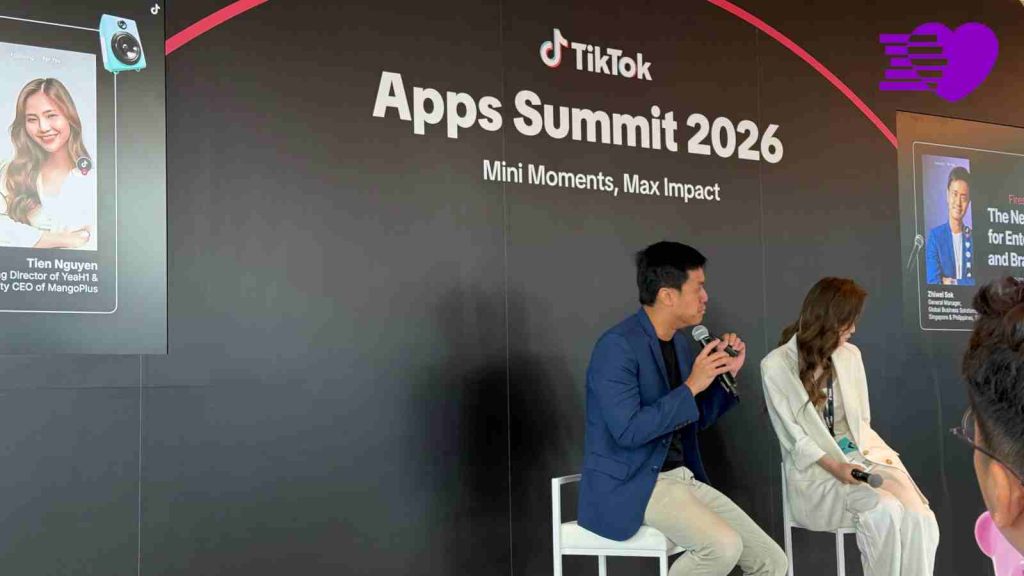
At TikTok’s Apps Summit in Singapore themed “Mini Moments, Max Impact”, Tien Nguyen, Managing Director of YeaH1 and Deputy CEO of MangoPlus, shared what separates successful mini dramas from content that gets scrolled past.
How to make a mini drama: Stop thinking like a TV producer
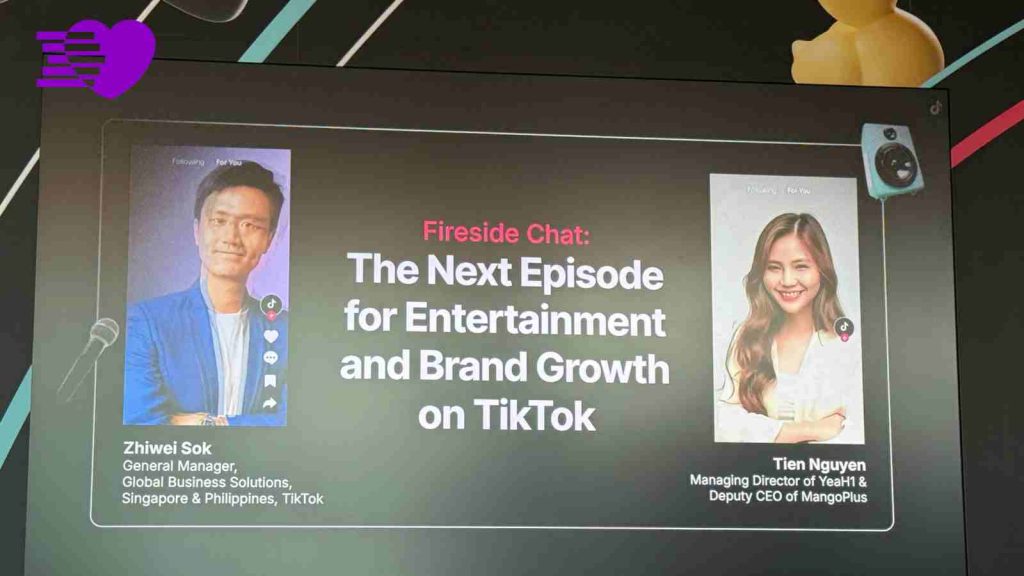
Tien Nguyen’s message is clear: mini dramas aren’t just shortened TV shows—they are a completely different form of entertainment built from the ground up for the attention economy.
To break through on TikTok, creators must stop viewing them as condensed traditional media and instead treat them as an entirely new category designed specifically for mobile audiences.
“We have to win the attention before earning the retention,” she said.
To help creators navigate this new medium, we’ve put together a comprehensive guide from Tien’s sharing on how to make a mini drama that breaks through the noise.
1. You’re competing with everything, not just other dramas
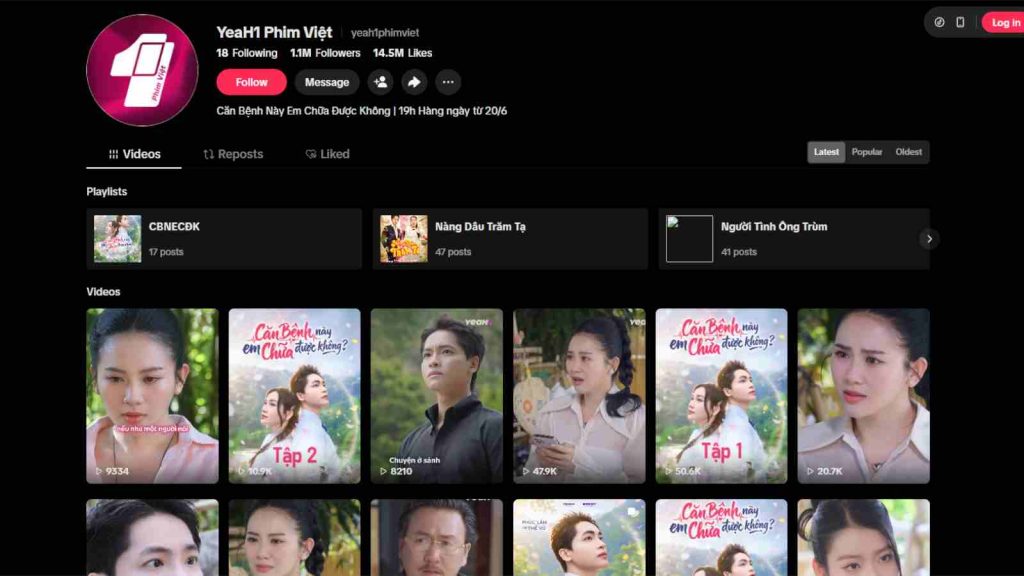
One of the first lessons in how to make a mini drama is understanding your competition.
You’re not competing against other mini dramas—you’re competing against every meme, dance trend, vlog, gaming clip and viral video appearing in someone’s feed.
Nguyen notes that audiences consume entertainment in short bursts throughout the day, mostly on mobile devices. That means every episode needs to immediately communicate what viewers should feel and why they should keep watching.
From YeaH1’s experience, successful episodes usually do three things quickly:
- Hook viewers visually and emotionally
- Establish the emotional stakes immediately
- Deliver a payoff before viewers swipe away
The format alone isn’t enough to earn attention. “We do not assume that consumers will give us the attention just because we give them something short and something new,” she said.
For creators learning how to make a mini drama, the first three to five seconds are often the most important part of the episode.
If a viewer only watches those opening moments, they should already feel something.
2. Mini drama storytelling prioritizes emotion over logic

Another key lesson in how to make a mini drama is accepting that traditional storytelling rules don’t always apply.
Writers, directors and actors have far less time to establish characters, relationships and worldbuilding. Instead of gradually developing emotional investment, mini dramas often have to create it instantly.
For actors, that means communicating chemistry, tension and conflict almost immediately. For writers, it means abandoning slow-burn storytelling in favor of emotional momentum.

Nguyen points out that many successful mini dramas embrace fantasy and wish fulfilment. Viewers aren’t necessarily looking for realism. They’re looking for stories that tap into desires, aspirations and emotional payoffs.
Creators exploring how to make a mini drama should focus on:
- A single emotional driver such as romance, revenge or ambition
- Easily recognizable character archetypes
- Meaningful payoffs in every episode
Mini dramas aren’t built around one big ending. They’re built around repeated emotional rewards.
3. Every episode should make viewers need the next one
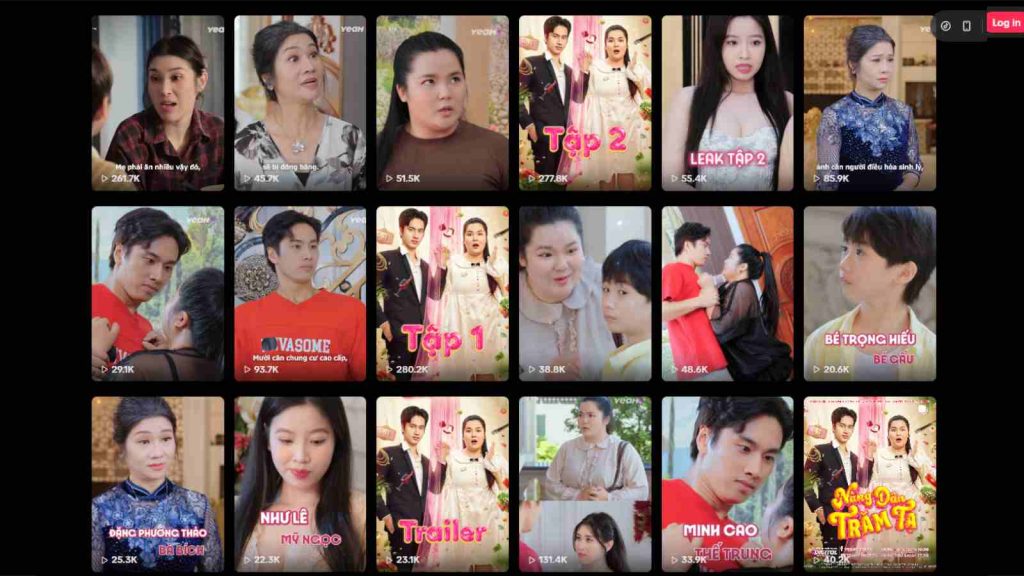
If there’s one rule that defines how to make a mini drama, it’s creating momentum.
Nguyen describes the format as being built around continuous viewing behavior. Every episode should make the next episode feel unavoidable. That usually means:
- Ending on cliffhangers
- Introducing new questions before old ones are fully resolved
- Escalating conflict quickly

TikTok already trains users to keep scrolling. The goal of a mini drama is to redirect that behavior into your story.
So when planning how to make a mini drama, creators should evaluate every episode ending and ask:
- What tension remains unresolved?
- What question is the audience desperate to answer?
- Does the final moment create curiosity strong enough to earn another tap?
4. Production requires different skills, not lower standards
Many creators assume that how to make a mini drama involves lowering production expectations.
Nguyen argues the opposite: while mini dramas are shorter, they still require professional discipline. Production teams must balance speed, quality, audience expectations and cost simultaneously.
YeaH1 has found that mini dramas perform best when teams understand the format specifically rather than applying traditional production methods. That includes:
- Writers who understand episodic hooks
- Directors who frame for vertical screens
- Editors who can maintain aggressive pacing without sacrificing clarity

“We cannot use directors from cinema or long form content and just tell them to make something short,” Tien said.
For creators, the takeaway is straightforward—when learning how to make a mini drama, don’t think about shortening long-form content. Build specifically for vertical viewing from the start.
5. Using AI to expand what creators are able to attempt
AI is also changing how to make a mini drama, but not necessarily in the way people expect.

According to Nguyen, AI’s biggest value isn’t replacing creators—it’s helping them experiment faster and more affordably.
YeaH1 uses AI to:
- Test multiple story concepts quickly
- Explore different audience segments
- Improve music and sound design workflows
- Prototype ambitious visual concepts
So for creators figuring out how to make a mini drama, AI can be particularly useful during development by allowing them to explore more possibilities before committing resources.
How to make a mini drama that wins in the attention economy

For creators learning how to make a mini drama, the shift is mostly mental: stop treating it as a smaller format and start treating it as a different one entirely.
The rules that govern pacing, performance, and structure have already changed—the only question is how quickly creators adapt to them.
The advantage won’t go to whoever produces the most content, but to whoever understands the format deeply enough to make something people don’t scroll past.