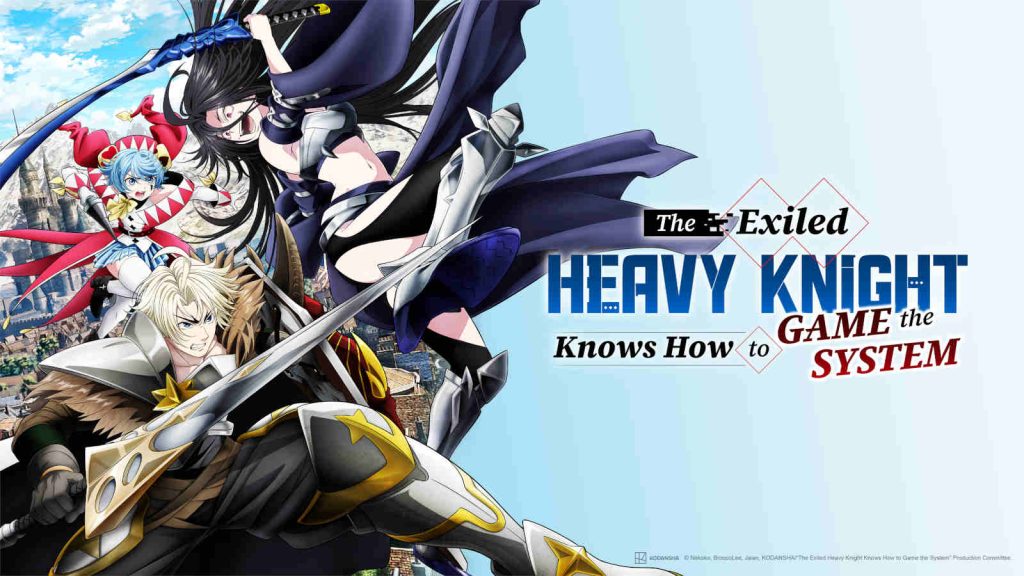
While the Summer 2026 anime season is filled with sequels and familiar names, this new isekai “The Exiled Heavy Knight Knows How To Game The System” quietly caught my attention for one very specific reason: Japanese voice actor Takeo Otsuka.
I’ll admit it—I wasn’t planning on watching this series initially.
| ANOTHER TITLE YOU SHOULD WATCH THIS SEASON Young Ladies Don’t Play Fighting Games anime review: Yuri and FGC find their perfect combo |
The only reason I hit play was because Otsuka voices protagonist Elma Edvan. If you’ve followed his work as Jinshi in The Apothecary Diaries, Sunday in Honkai Star Rail, Tsukasa Akeuraji in Medalist, Shinichi Akiyama in Liar Game, or Haru Tennoji in Trillion Game, you’ll know why.
I’m a huge fan. I even bought meet-and-greet tickets during AFA Singapore 2024 for the Oshi no Ko cast, where getting to meet him was genuinely a dream come true. So yes, I was absolutely here to support his newest leading role.
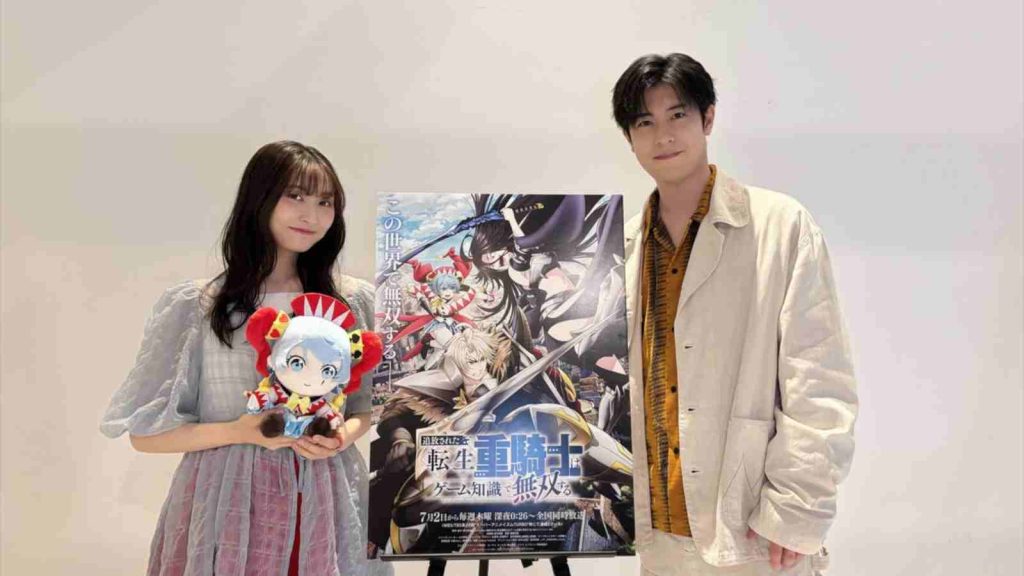
Thankfully, I walked away with much more to talk about than just the voice acting.
Streaming exclusively on Crunchyroll from July 2, 2026, The Exiled Heavy Knight Knows How To Game The System delivers a visually distinctive fantasy adventure that isn’t afraid to be dramatic—sometimes to its benefit, and sometimes to its detriment.
What is The Exiled Heavy Knight Knows How To Game The System anime about?
Born into a prestigious family of master swordsmen, Elymas “Elma” Edvan’s future is destroyed after awakening the supposedly “defective” Heavy Knight class.
Cast out by his own family, he suddenly regains memories from another life and realizes the world he now lives in is identical to a VR game he once mastered.
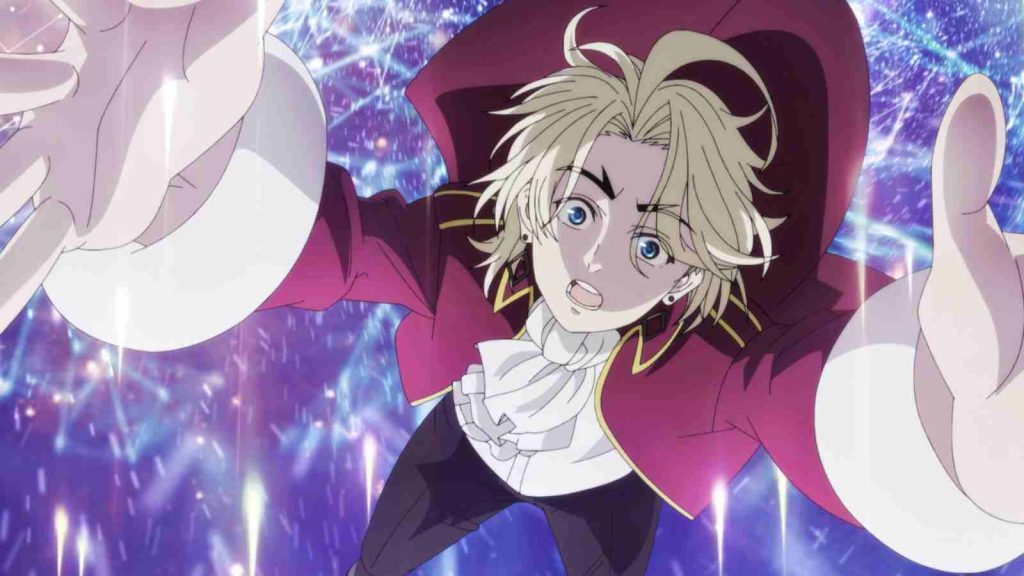
Armed with knowledge no one else possesses, Elma decides to rewrite the fate everyone has already decided for him, proving that the class everyone dismisses as the weakest may actually be the strongest in the right hands.
The anime adapts the manga by Brocco Lee, based on the original light novel by Necoco, with character designs by Jaian.
The Exiled Heavy Knight Knows How To Game The System review
Takeo Otsuka once again proves why he’s one of the best
Even before the story properly gets going, Otsuka immediately sells Elma as someone worth following.
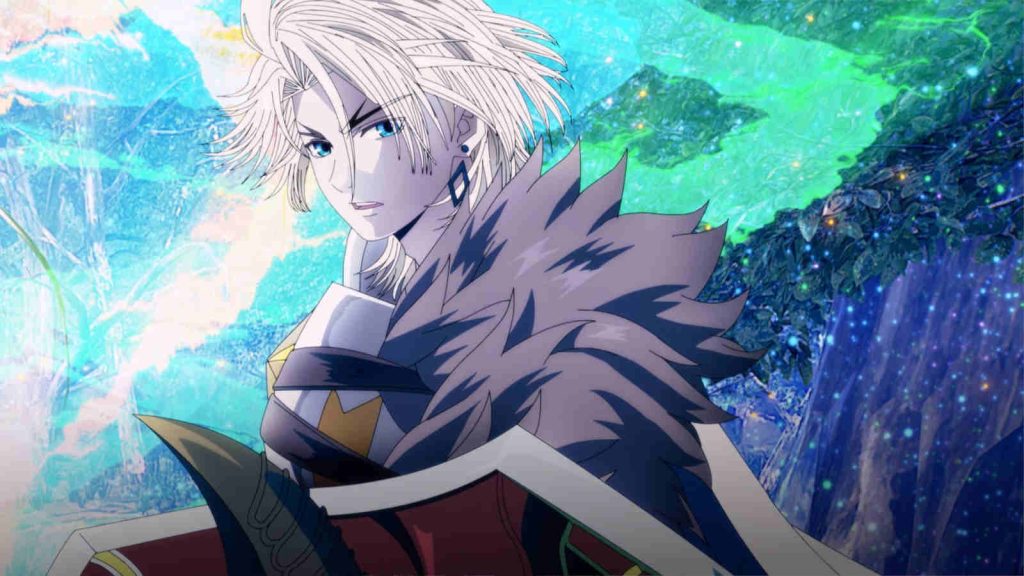
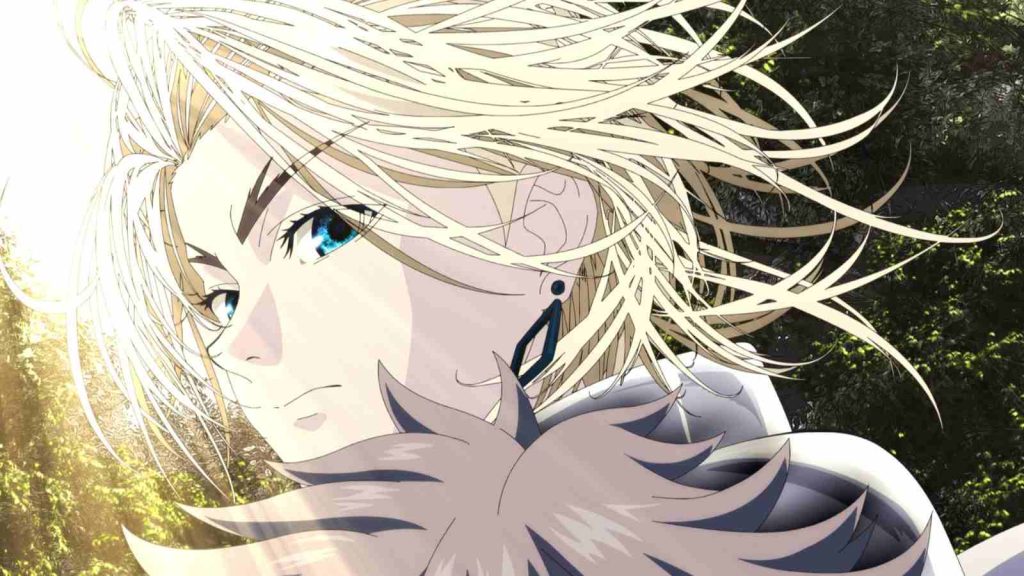
It certainly helps that Elma looks every bit the fantasy protagonist—blonde hair, striking blue eyes that almost resemble galaxies, and those unusually sharp eyebrows that somehow perfectly communicate his stubborn determination before he even says a word.
More importantly, Otsuka captures the internal side of Elma exceptionally well.
Unlike many action protagonists who simply overpower every obstacle, Elma constantly narrates his own thought process throughout battles. Every fight becomes part strategy session, part internal monologue as he applies knowledge from his previous life to situations nobody else understands.
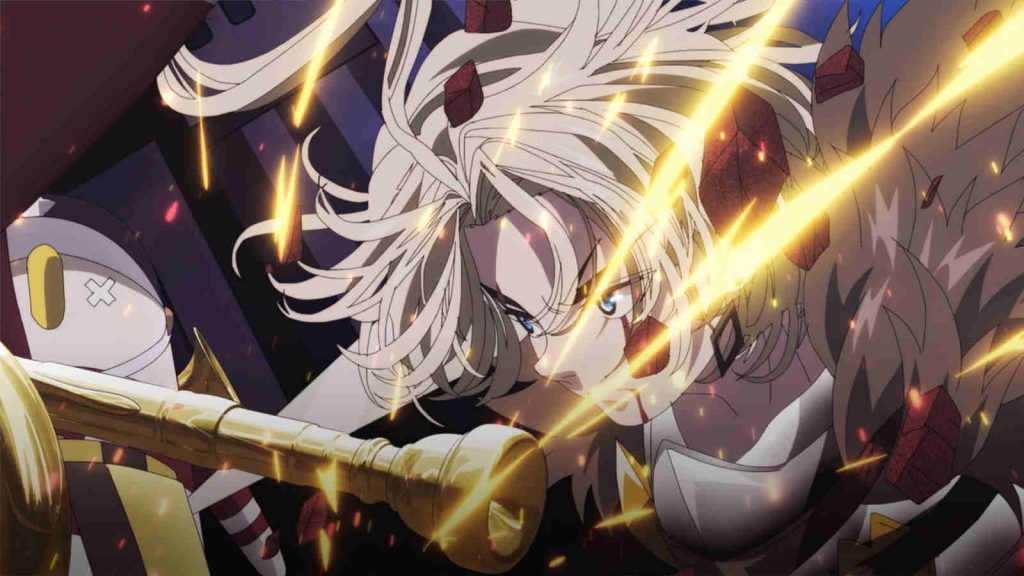
Rather than feeling like exposition, these moments flesh out his personality. You understand why he makes certain decisions, how far ahead he’s thinking, and why he’s willing to challenge an entire society that has already written him off.
His motivations are immediately easy to grasp. He’s been disowned, labelled a failure, and cast aside simply because of his class. Now he’s choosing to weaponize the very thing everyone considers worthless. It’s a simple premise, but an effective one.
Supporting performances from Shion Wakayama as Luce Rubis and Natsuko Abe as Maris Edvan round out the main cast well, although Episode 1 understandably remains focused on establishing Elma.
Studio GoHands’ signature style is impossible to ignore
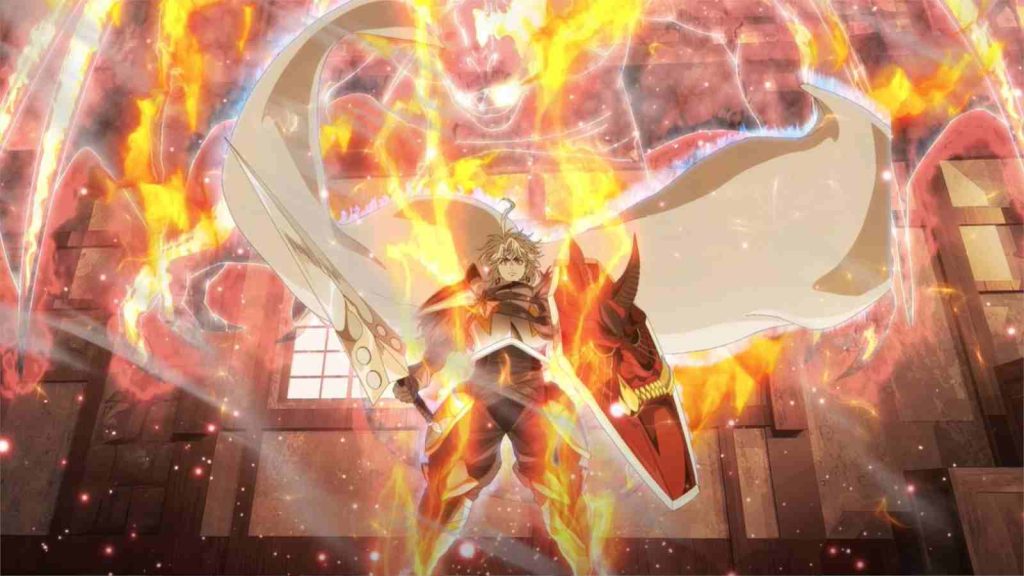
If you’ve watched a Studio GoHands production before, you’ll immediately recognize its visual identity.
The studio has developed a reputation for heavily stylised cinematography across series such as K, Hand Shakers, The Girl I Like Forgot Her Glasses, Momentary Lily, Seitokai Yakuindomo, Mardock Scramble, and Coppelion. Their productions rarely look like anyone else’s—for better or worse.
Dark shadows dominate many scenes, giving environments a surprisingly heavy atmosphere despite the fantasy setting. Character eyes, magical crystals and other important visual elements receive incredible amounts of texture and colour.
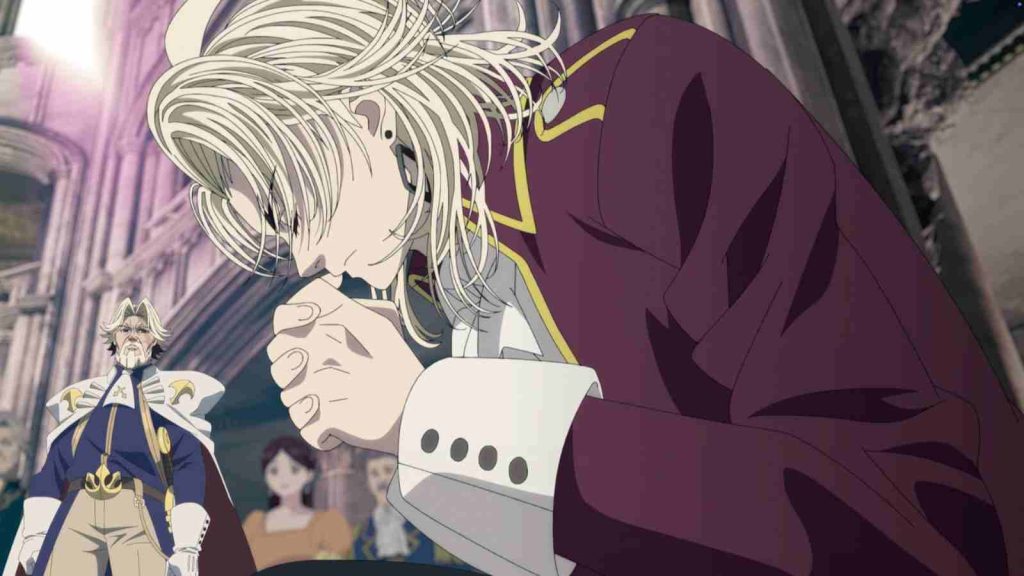
Even Elma’s hair deserves its own mention. Every strand seems individually rendered with remarkable detail, making me convinced he uses S-rank shampoo and conditioner.
Where GoHands truly shines, however, is during combat. The action rarely stays fixed on one character. Instead, the camera flows through each encounter, weaving between combatants almost as though it’s another participant in the battle itself.
Perspectives shift rapidly from human to monster, attacker to defender, without obvious cuts, creating an almost continuous sense of motion.
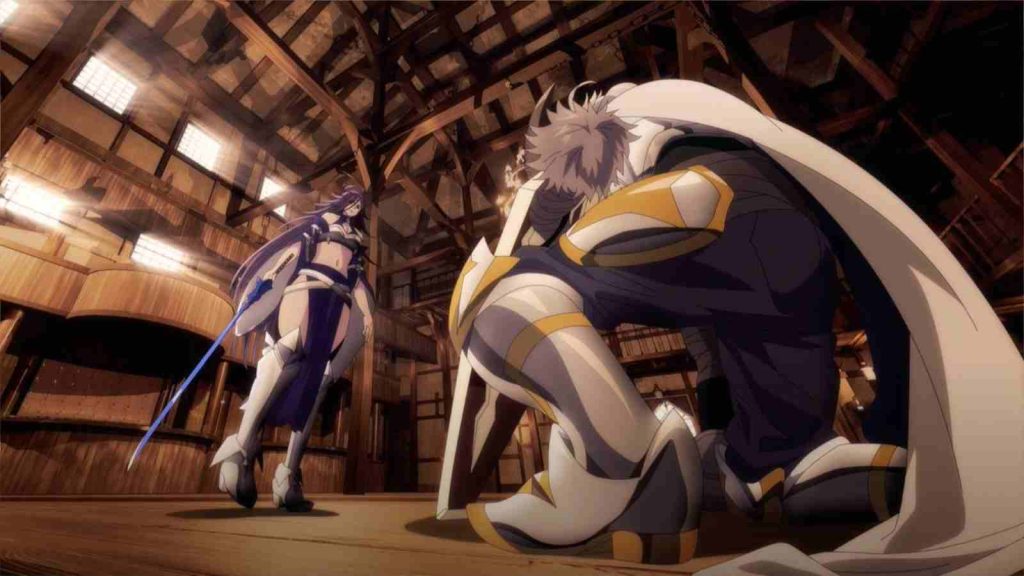
At several points, it reminded me of how Jujutsu Kaisen approaches action cinematography—not because the choreography is identical, but because the “camera” itself feels alive, constantly guiding your eyes through the movement instead of simply recording it.
The result is energetic, ambitious and technically impressive. You can tell these aren’t action scenes where corners were cut.
RPG inspirations extend beyond the story itself
What I appreciated most was how the anime embraces its RPG inspirations without resorting to floating menus or obvious game UI.
Instead, those influences are woven into the presentation. Weapon clashes burst with vibrant orange and yellow visual effects that feel closer to high-impact fighting games than traditional fantasy anime. They give every sword strike extra weight and spectacle.
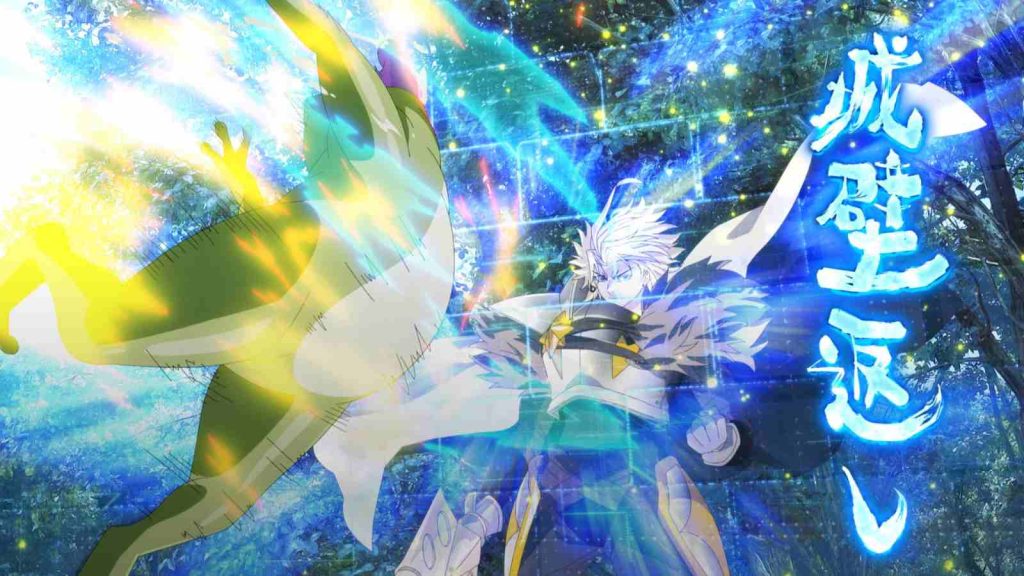
The anime also introduces new locations much like an RPG would. Before Elma enters a city or area, the camera often provides sweeping overhead views that establish the layout first. Only afterwards does it shift down to his perspective, almost as though control has been handed over to the player.
It’s a subtle touch, but one that constantly reinforces the idea that Elma understands this world because he’s effectively played it before.
Ludvig Forssell’s soundtrack was the biggest surprise
One name in the credits genuinely caught me off guard.
The soundtrack is composed by Ludvig Forssell, the Swedish composer best known for his work on Death Stranding, Death Stranding 2: On the Beach, and the Metal Gear Solid V games.
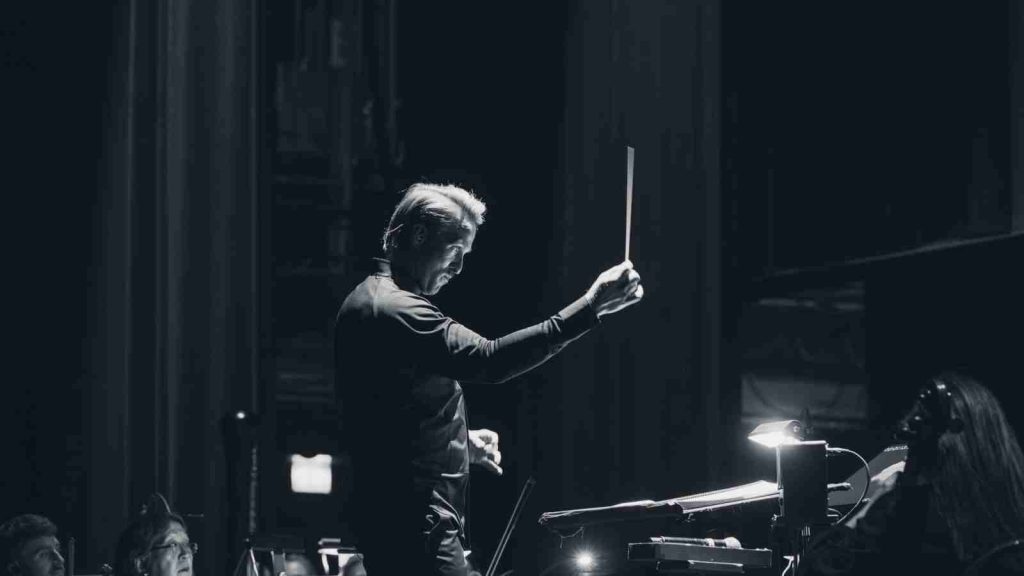
Forssell relocated from Sweden to Japan early in his career to work in game audio before joining Kojima Productions, where he eventually became Audio Director and Lead Composer. His work on Death Stranding earned widespread acclaim, culminating in Best Score and Music at The Game Awards 2019.
Seeing someone with that resume attached to a fantasy isekai certainly wasn’t on my bingo card.
The opening episode begins with ominous thunder and lightning before transitioning into an appropriately dramatic score that leans into heavy orchestration and darker tones. The music complements the anime’s strong shadows and theatrical presentation rather than trying to overpower them.
SPYAIR delivers exactly the opening theme you’d hope for
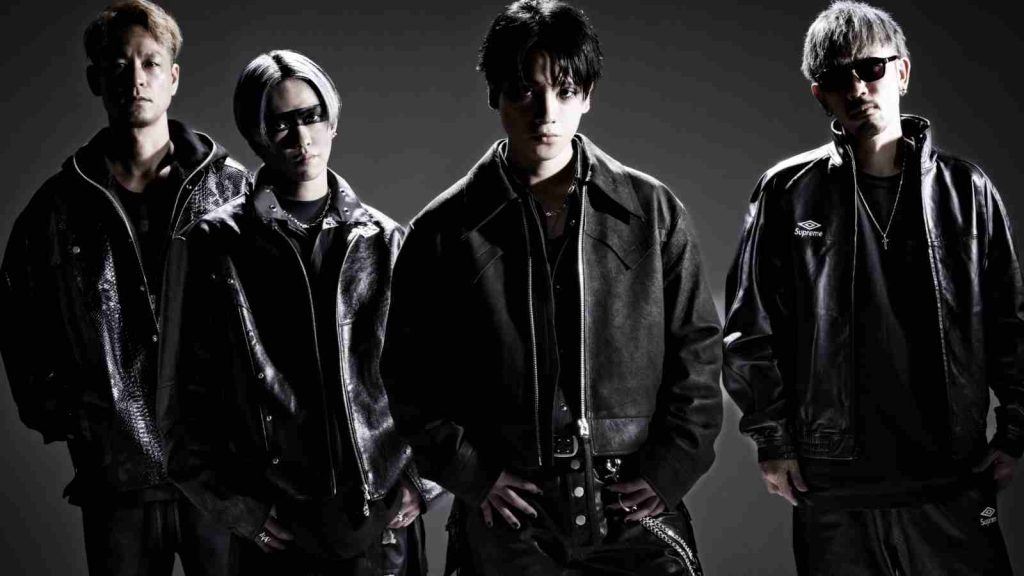
Then, there’s the opening theme. The moment “Awake” started playing, I knew it was SPYAIR before checking the credits.
It’s classic SPYAIR. The song begins relatively restrained before exploding into a powerful chorus, building momentum in exactly the way longtime fans would expect. By the time YOSUKE unleashes his signature scream near the end, you’re completely ready for the episode ahead.
It’s energetic, uplifting and exactly the kind of opening that gets stuck in your head after a single listen. If you’re a J-pop fan, this one’s going straight onto the playlist.
Style sometimes takes priority over substance
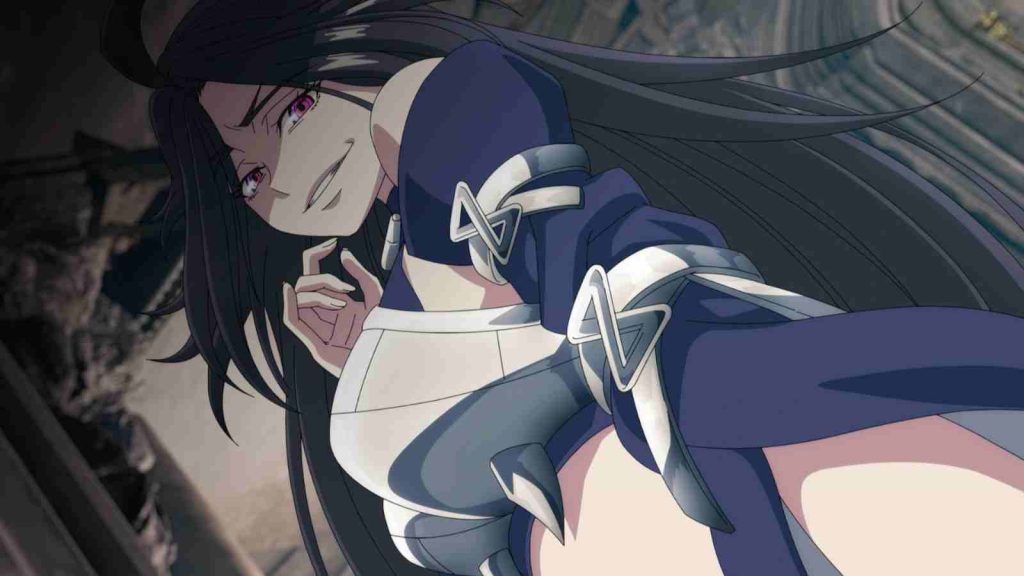
As much as I admire GoHands’ ambition, there were moments where its signature style started working against the anime.
The constantly shifting camera angles eventually become exhausting. Some fight scenes continue well past the point where they’ve communicated everything they needed to. Rather than developing the world, revealing new information or pushing the narrative forward, they simply keep escalating visually.
They’re dramatic. That’s about it.
The spectacle exists because it looks impressive, not because the story benefits from it.
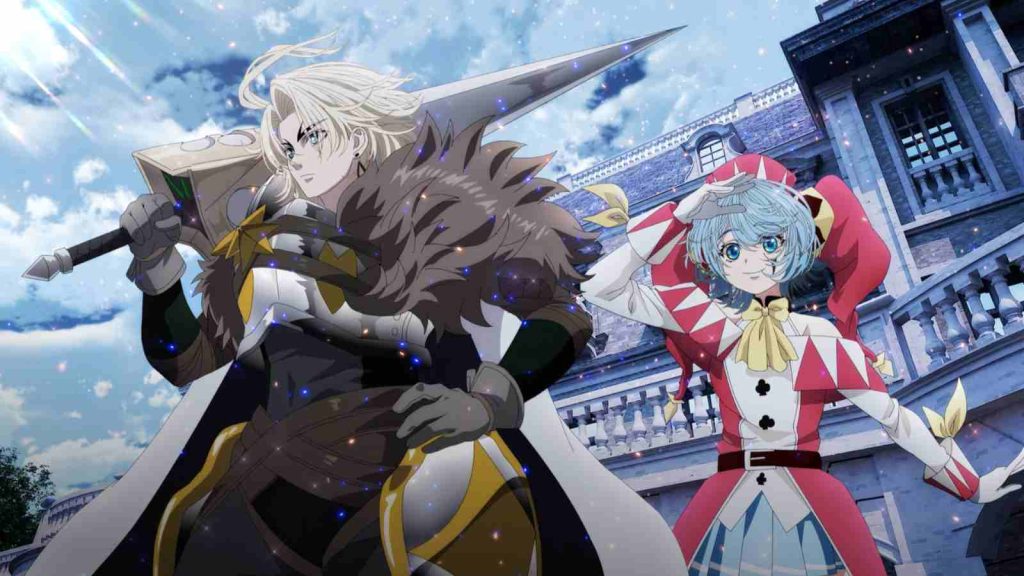
In Episode 1 alone, I occasionally found myself feeling slightly dizzy from the relentless movement. Every sequence wants to maintain maximum energy, but without quieter moments to balance things out, the overall pacing begins to suffer.
The same applies to some of the vocal performances. Characters often deliver lines with enormous intensity before the audience has been given enough reason to emotionally invest. The performances themselves aren’t weak—far from it—but the drama sometimes arrives before the stakes have earned it.
Instead of feeling the weight of Elma’s exile, I occasionally felt like the anime was trying very hard to convince me I should.
The fan service feels one-sided
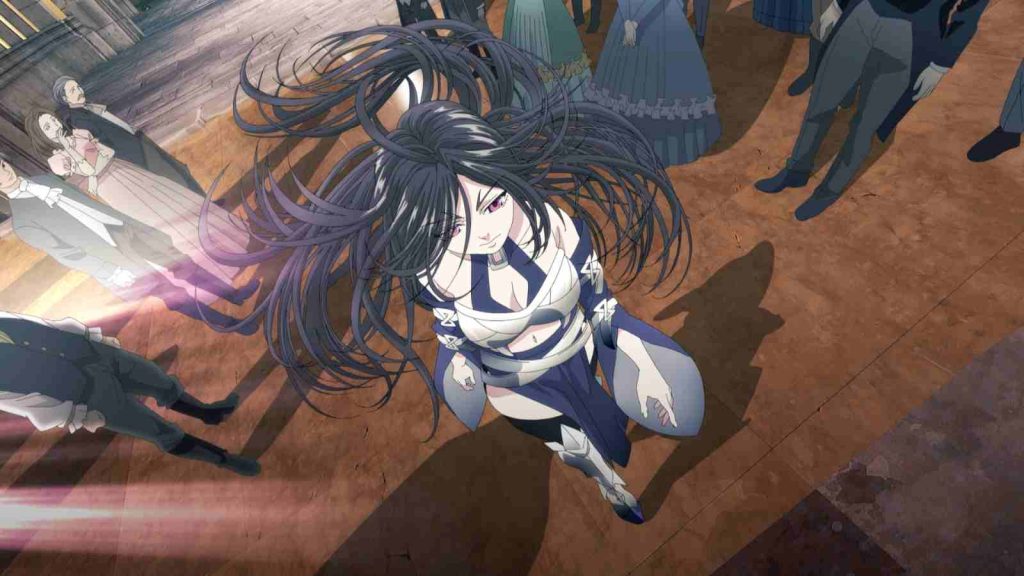
Another aspect that didn’t quite work for me was the fan service.
Female characters frequently wear very revealing outfits despite actively participating in combat. Armour is largely absent, with exposed waists, cleavage, and thighs making regular appearances.
Combined with GoHands’ constantly moving camera, this results in plenty of lingering angles that feel designed less for storytelling and more for the presumed target audience.

One scene in particular frames a female character falling from above, exposing her underwear beneath an extremely short skirt. Moments like these add little beyond visual fan service.
It also creates an odd imbalance. If the series is comfortable showcasing its female cast from every conceivable angle, where’s the equivalent treatment for viewers who might appreciate Elma?
He’s a handsome protagonist wielding an enormous sword while wearing actual armor. Surely there’s room for a little more equality there.
The Exiled Heavy Knight Knows How To Game The System final verdict
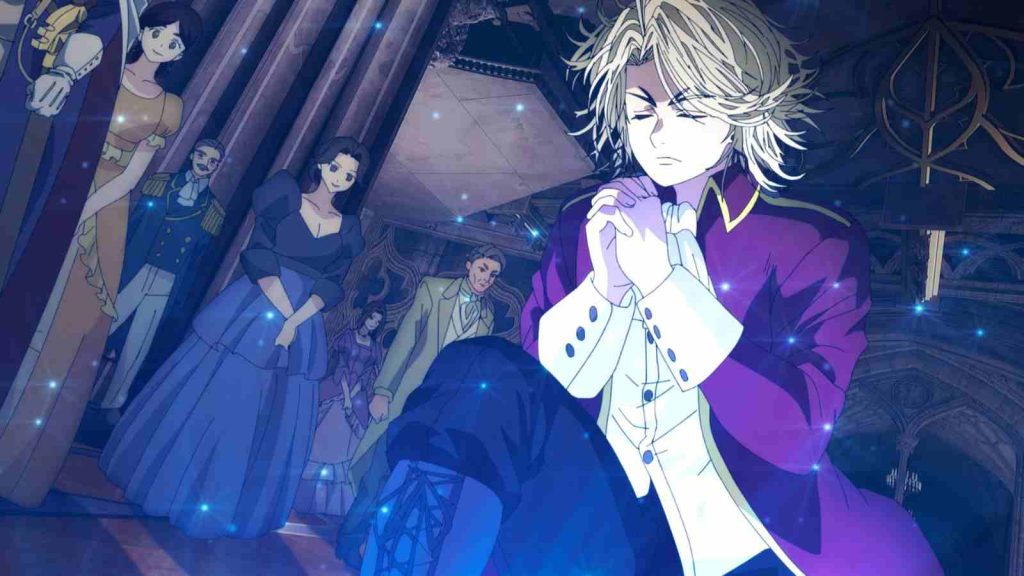
What stayed with me most after watching The Exiled Heavy Knight Knows How To Game The System wasn’t necessarily the flashy animation.
It was Elma. He’s an interesting protagonist precisely because he’s built around an archetype anime rarely celebrates. Tanks are usually the dependable supporting characters—the ones who absorb damage while someone flashier lands the finishing blow.
| THE EXILED HEAVY KNIGHT KNOWS HOW TO GAME THE SYSTEM ANIME REVIEW | SCORE |
| Story: narrative and writing | 6/10 |
| Characters | 6/10 |
| Visuals and animation | 8/10 |
| Music and sound | 8/10 |
| Pacing and structure | 6/10 |
| Overall | 6.8/10 |
Elma flips that expectation completely. His unwavering confidence, determination and refusal to accept the role society assigns him become the driving force of the story.
Those qualities are normally reserved for high-damage heroes or overpowered protagonists like those seen in series such as Solo Leveling or One Punch Man. Here, they’re embodied by the heavily armored knight everyone underestimated.
That contrast gives the anime its identity. It’s certainly not flawless. The pacing could be tighter, the cinematography occasionally reins itself in, and the fan service is difficult to ignore.
But between Takeo Otsuka’s engaging performance, Studio GoHands’ undeniably distinctive visual direction and Ludvig Forssell’s strong soundtrack, there’s enough here to make this one worth keeping an eye on—especially if you’re looking for an isekai that approaches its game-inspired premise from a slightly different angle.
Catch The Exiled Heavy Knight Knows How To Game The System anime on Crunchyroll from Thursday, July 2, 2026 with weekly episode releases.