Riot Games has issued an official statement addressing competitive integrity concerns in VCT Pacific following weeks of backlash after Kickoff.
The statement comes after a wave of criticism from players and the community, sparked by multiple incidents ranging from headset misuse to match operations and stage conditions.
VCT Pacific head Jake Sin from Riot Games had addressed many of these issues in a public interview with Indonesian caster and RRQ streamer Antonius “GLHFSon” Willson on March 23, 2026, offering additional context behind the league’s decisions.
Headset misuse in VCT Pacific: Confirmed, but not considered cheating
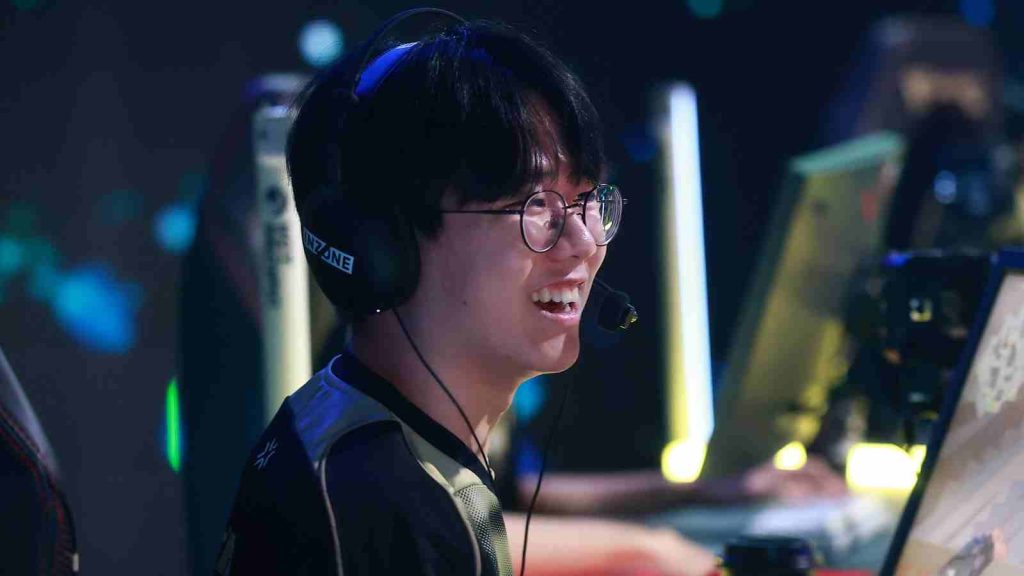
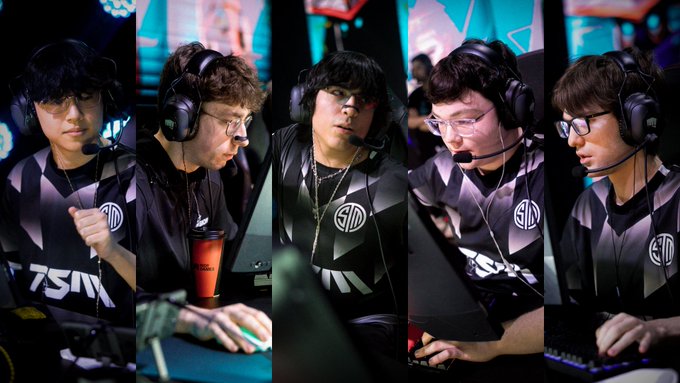
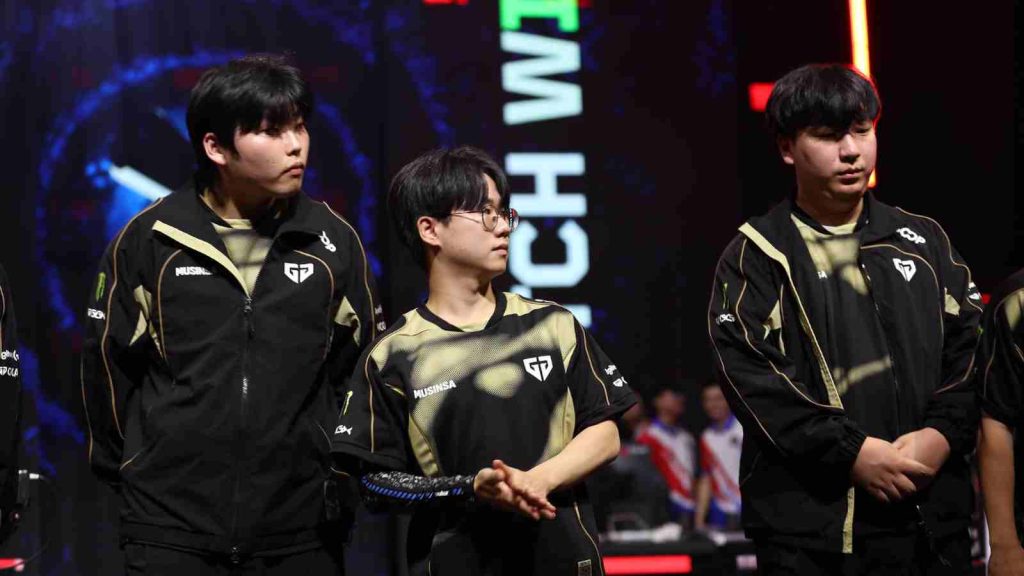
In its official statement, Riot confirmed two instances of improper headset usage during Kickoff involving Gen.G’s Kim “Lakia” Jong-min and Team Secret’s Ko “Sylvan” Young-sub.
After reviewing gameplay footage and voice comms, Riot stated there was no evidence of intentional abuse or competitive advantage, and both players received written warnings.
In the interview, Jake Sin commented that the league “missed the mark” by failing to catch the issue live. According to him, referees have since been retrained, and stricter monitoring protocols are now in place.
“To address this issue more proactively moving forward, we have strengthened monitoring protocols for headset usage during matches through enhanced Player POV oversight and updated referee checklist procedures,” Riot wrote in the official statement.
“We have also issued a precautionary notice to all teams with a reminder that players must ensure headsets fully cover their ears at all times and that they must also obtain referee approval before removing their headsets or risk penalty.”
Crucially, Riot maintains that while the misuse was a cause of concern, this incident did not meet the threshold for cheating, which requires both intent and proof that information was actually used in-game.
| YOUR MISSION, SHOULD YOU CHOOSE TO ACCEPT IT How to get all rewards in Valorant Night Queue |
Riot doubles down on audio concerns, acknowledges perception gap
Stage audio was another major point brought up by the community, with concerns that players—particularly Korean-speaking ones—could gain an advantage from overhearing caster commentary.
Riot’s statement reiterates that its setup—combining in-ear monitors with white noise headsets—prevents players from hearing distinct words, even at peak volume.
Jake echoed this in his interview, saying internal testing shows that while players might hear some noise or crowd spikes, the audio is “virtually non-existent” in terms of usable information.
He also acknowledged a key issue: perception.
Jake suggested that non-Korean-speaking players may assume Korean players can understand leaked audio, even if it isn’t actually intelligible. At the same time, he said that the league should have taken complaints more seriously in real time, instead of failing to initiate checks or pauses during matches.
Riot now says it will implement more aggressive audio testing and faster response protocols, suggesting a shift toward being more proactive rather than reactive.
The Paper Rex controversy
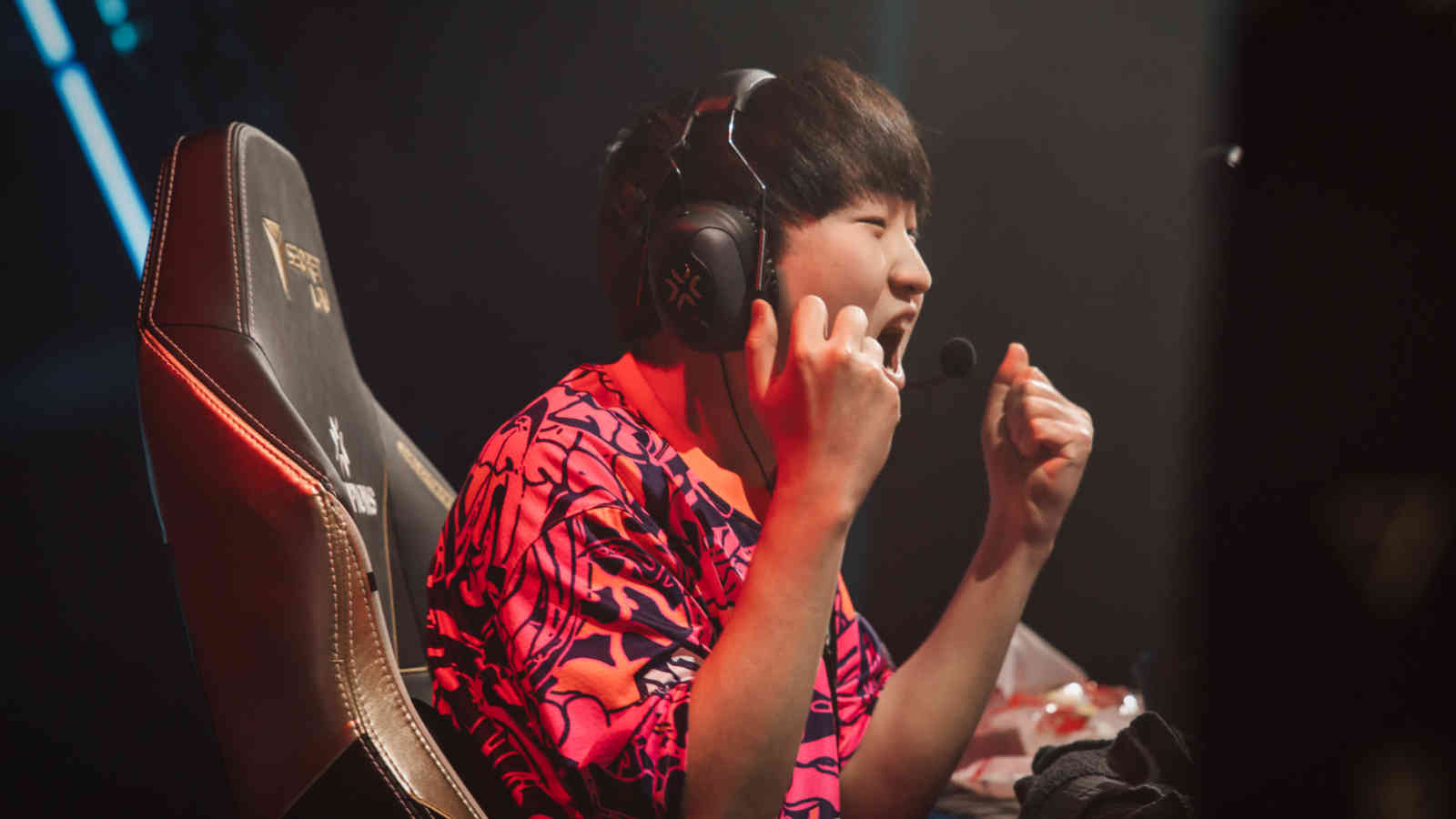
One of the most talked-about incidents—Paper Rex’s remake involving an agent unlock issue—was addressed by Jake during the interview but not in Riot’s official statement.
In the YouTube interview, Jake clarified that:
- The first mistake (failing to unlock an agent) resulted in a formal warning, consistent with global rules
- The second incident occurred because tournament operations started the lobby too early, preventing the player from fixing the issue
- As a result, no additional penalty was issued, since the fault lay with the organizers
Jake emphasized that the bigger problem wasn’t favoritism, but poor communication, particularly with the opposing team, which led to confusion and frustration.
Smoking in the toilet and enforcement gaps in VCT Pacific
Another issue raised involved allegations of a team smoking in a venue bathroom during the event.
Jake said that the initial report was dismissed due to a lack of evidence—something he later acknowledged was a mistake in handling.
The situation was revisited after the fact, at which point the team involved admitted the incident had occurred, resulting in a formal warning being issued.
Jake also pointed out that the act wasn’t just against league rules—it was illegal, highlighting a lapse not just in enforcement, but in escalation procedures.
Across both the official statement and Jake’s interview, one theme stands out: communication breakdowns.
“If players feel like they have to resort to going out in public and saying things for any change to be made, I think we as the league are doing a really poor job,” Jake said to GLHFSon.
He identified this as his biggest regret, noting that players and coaches are lacking clear, effective channels to raise concerns directly with the league.